
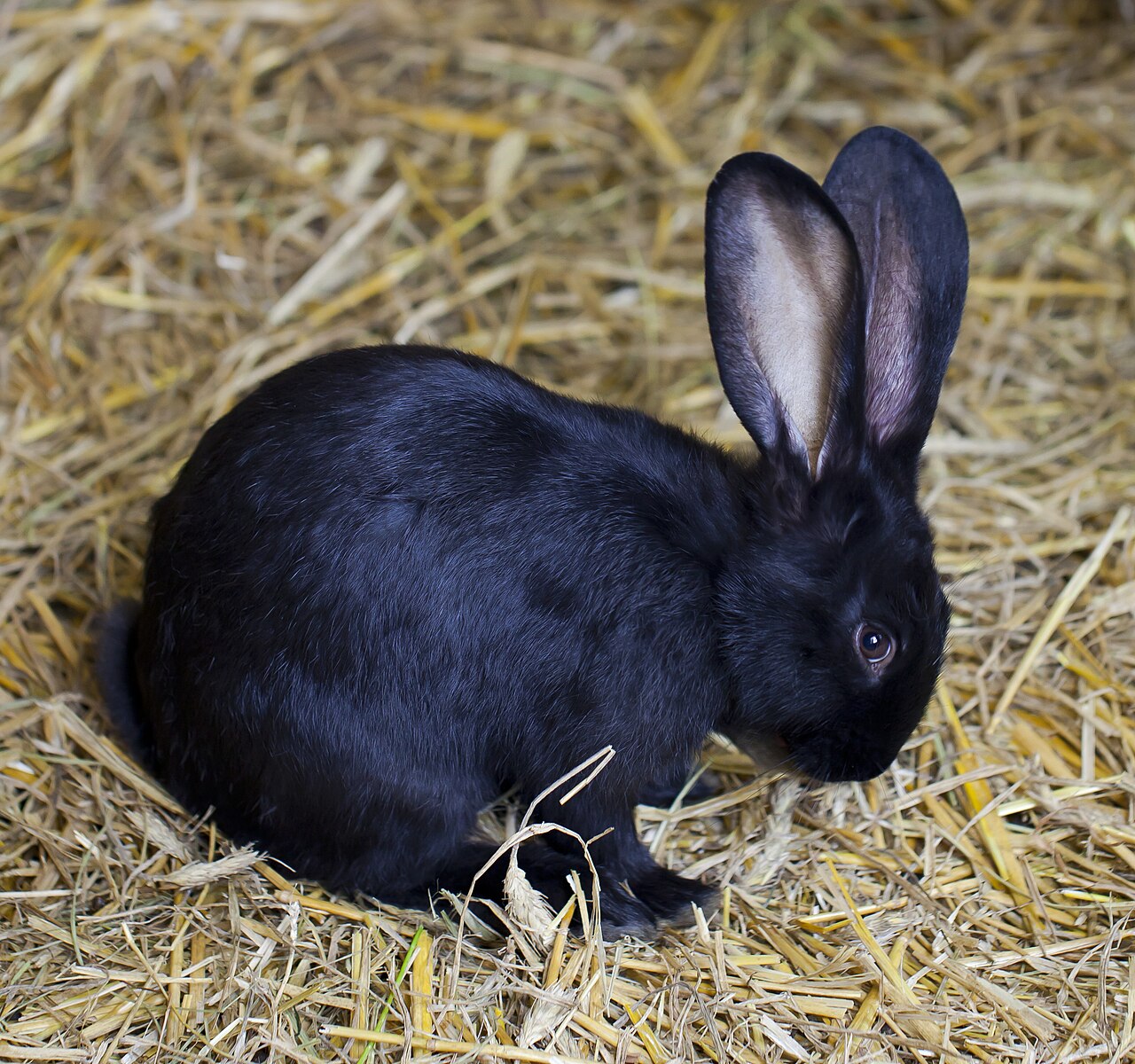
Start with the rabbit’s present activity
Give the veterinarian the rabbit’s identity, current location and direct description. Record whether the head position persisted during the actual view, whether movement was observed and what prompted concern. Keep a short clip distinct from a continuously observed history.
Do not make the rabbit repeat an activity or change its position to demonstrate the problem. Ask the professional how to manage the animal safely while help is arranged. A record should support care rather than create another disturbing examination.
Preserve the viewing context
Keep original image or video files, recording time, camera position and any relevant annotation separately. A later caption should retain its author and date instead of becoming the original observation. State what could not be seen.
Describe an eye movement only at the precision actually observed or professionally reported. Do not assign a technical sign or diagnosis from a poorly oriented clip. A changed camera view and a changed animal finding should remain separate possibilities until the evidence resolves them.
| Call-history field | Useful detail |
|---|---|
| Rabbit | Stable identity, age basis and actual group |
| Activity | Direct posture or movement description |
| Time | First recognition, earlier view and gaps |
| Media | Original file and recording context |
| Prior history | Actual reports and completed care |
| Plan | Advice, responsible person and follow-up |
A fictional clip that rewrites the onset
A fictional rabbit appears unusual during an evening check. A morning recording exists, but it does not show the relevant view for the whole interval. The summary says the condition began precisely at the evening camera timestamp.
Retain evening as first supported recognition, with the earlier view limits. If another contemporaneous note later narrows the interval, add it with its source. The clinician receives the best-supported sequence rather than an exact onset invented from the file name.
Keep other observations attributable
Preserve actual feeding, fecal-output, ordinary movement and other concerns under their own times. A rabbit not observed eating during one visit should not automatically become a measured all-day intake of zero. Equally, a brief later feeding observation should not erase the earlier concern.
Attach previous veterinary reports and actual care records. A product purchase, remembered diagnosis in another rabbit or old group treatment entry should not become this rabbit’s completed care or current cause. Keep unknown details available for clarification.
Record the professional instructions and handoff
Write the actual advice, time and responsible caregiver. Ask for clarification if needed rather than supplying an examination, medication or assisted-feeding procedure from a general reference. Preserve changes in instructions as the professional receives new information.
Keep later findings and outcomes separate from actions. If the rabbit moves or another person takes over, retain the same identity and unresolved questions. An unread note should not be counted as a completed handoff.
Use farmed-rabbit references, veterinary handoff guidance and correction histories. The account should make the real posture, activity and timing inspectable while leaving diagnosis and care decisions with the rabbit professional.
Keep first recognition distinct from a precise onset
An evening observation can establish when the concern was recognized while leaving the earlier unobserved interval unresolved. The recording's timestamp, upload time and later entry time need their own meanings. A camera file should not give the animal an exact onset simply because it provides a precise digital clock value.
In a second fictional handover, a short later clip appears more reassuring and the earlier concern is removed from the summary. Preserving both views and their coverage gives the veterinarian the real course. The later observation does not erase the earlier event, and neither short clip establishes continuous behavior between them.
Keep relevant appetite, output and movement observations separately attributed. A note from another rabbit or an older group treatment should not supply this animal's diagnosis or completed care. The professional needs the actual history and its gaps rather than a familiar explanation selected from resemblance.
Frequently asked questions
Should the rabbit be repositioned to make a clearer video?
Do not make it repeat a concerning activity or manipulate its position for documentation. Use safe existing observations and ask the rabbit-experienced veterinarian how to manage the animal while help is arranged.
Can a technical eye-movement label be added from an unclear clip?
Describe only what was actually observed and retain the viewing limits. Keep any later professional classification attributable. A poorly oriented recording should not force a precise sign or diagnosis.
What should the next caregiver receive?
Provide the same animal identity, latest direct observations, actual professional instructions, completed actions and unresolved questions. Record the handoff rather than assuming an unread note transferred responsibility. A clear history supports timely rabbit care without becoming a home examination, medication or assisted-feeding procedure.
Cite this reference
LivestockDefense. “Prepare a rabbit head-tilt and balance history for the veterinarian.” Updated 2026-11-03. https://livestockdefense.com/guides/a-rabbit-with-tilted-head-and-impaired-balance/
Add the date you accessed the page. This identifies the current reference; keep a permitted saved copy if your work depends on its exact wording. A citation alone does not establish support for a claim.
How to cite a page and its revision ↗