
Directory
Animal Health by Species
Choose an animal to explore its feeding, housing, breeding, welfare and health needs. Follow the linked husbandry guides and condition articles for more detail, or choose a dairy, beef, broiler or laying-hen production system.
Choose the animal, then the question
An animal page is the best starting point when you know who is affected but have not settled on a condition name. Each hub connects the species with relevant conditions, field guides and practical questions. The groups below keep related animals together while preserving a separate page for each.
Production-system pages add a second view. A dairy herd, a beef operation, a broiler house and a laying flock organize animals, work and records differently. Use the species page for the animal context and the production page for the way the operation is run. A system label does not replace the history of an individual animal or group.
For an urgent animal-health concern, contact the appropriate care team. Browsing a species list should not delay that conversation.
Core livestock
Cattle, pigs, sheep, goats, bison and rabbits.

Cattle
Practical cattle care for dairy, beef and working herds, covering life-stage feeding, housing, calf development, calving and signs that need veterinary help.

Pigs
Pigs need a complete diet matched to their stage, dependable drinking water, comfortable housing and opportunities for normal exploration.
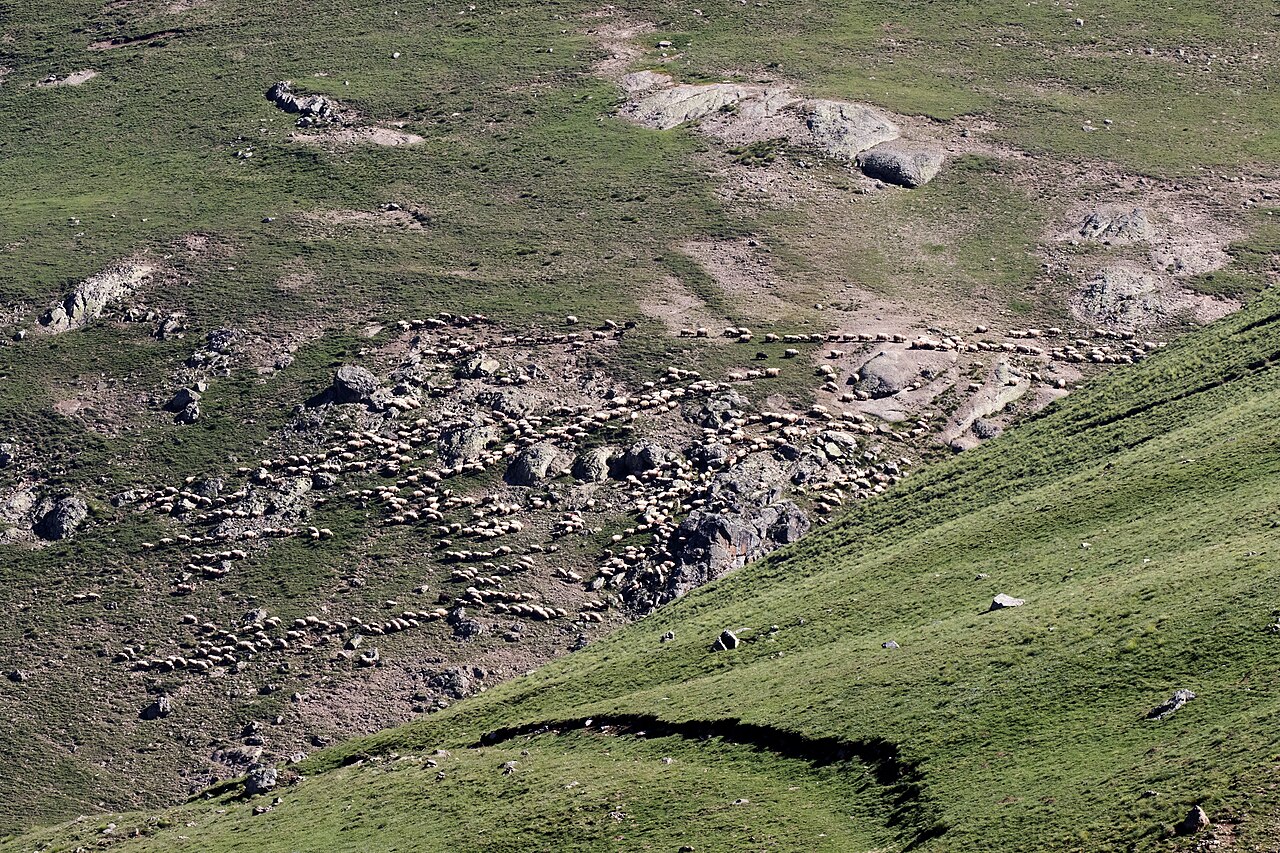
Sheep
Sheep care for meat, milk and wool flocks, covering forage, sheep-specific minerals, feet, fleece, breeding, lambing and health problems needing attention.
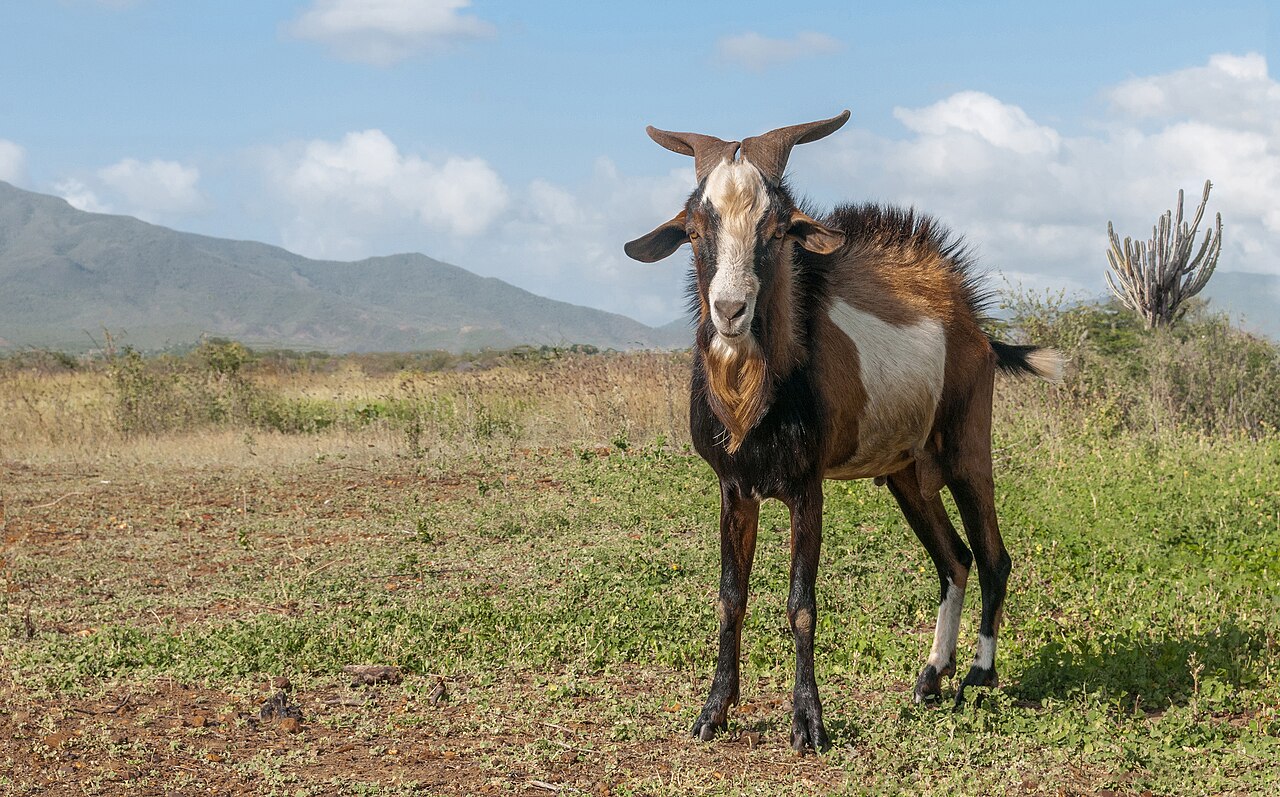
Goats
Goats need feeding and housing suited to browsing, active social behaviour and production stage.
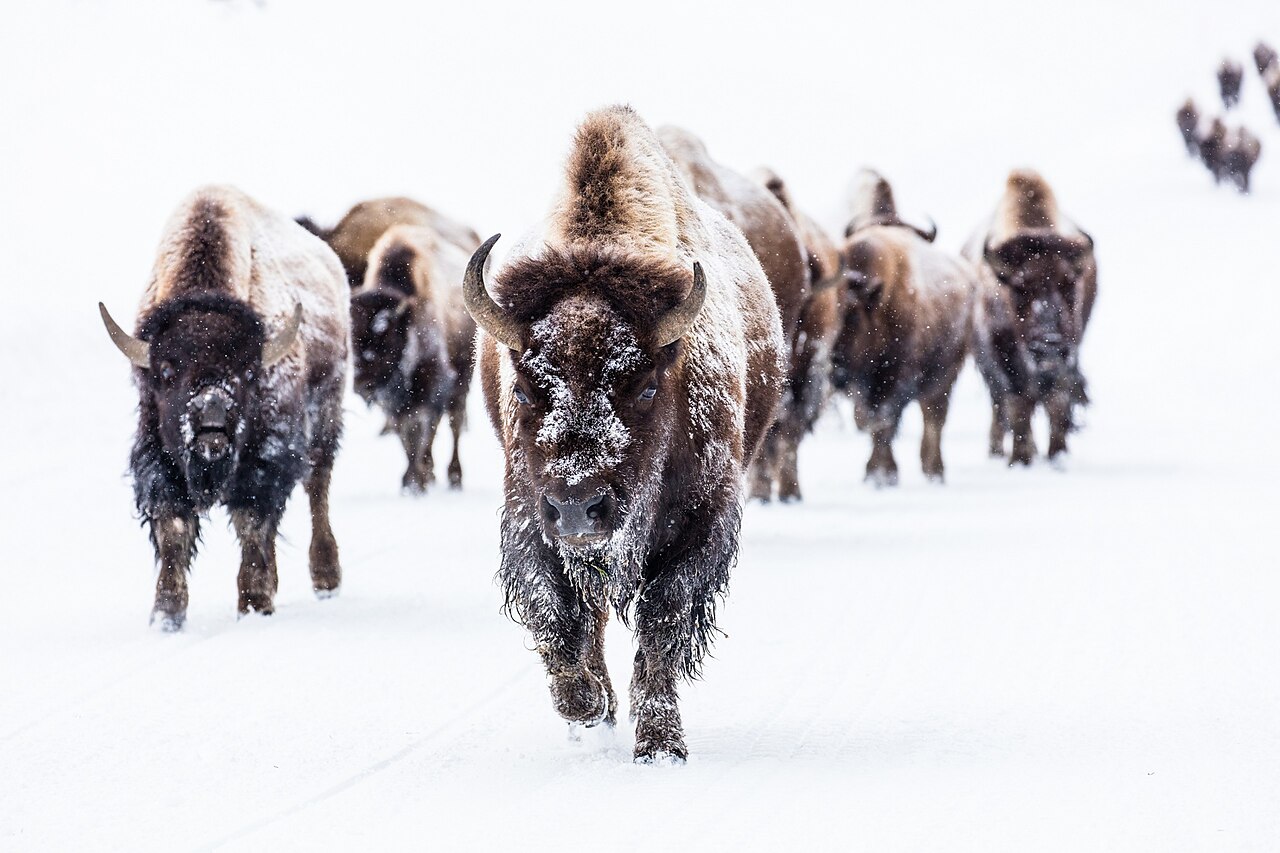
Bison
Bison raised for meat or breeding need dependable forage and water, species-specific containment and handling, and a health plan developed with experienced professionals.
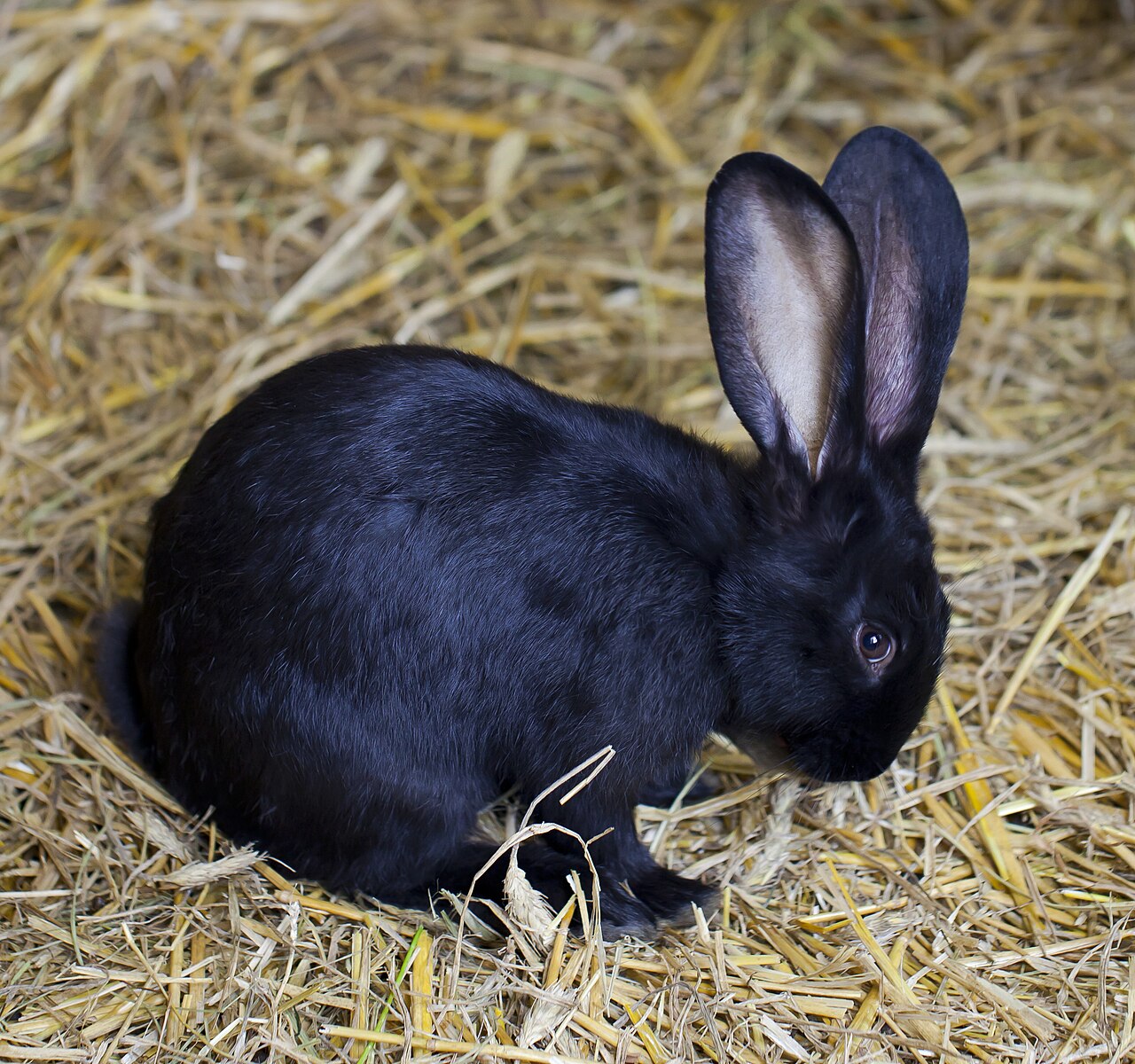
Rabbits
Farmed rabbits need fibre-based, nutritionally complete feeding, dependable water, protection from heat and housing that supports comfortable movement and rest.
Buffalo, yak & regional cattle
Regional bovine livestock with distinct production histories.
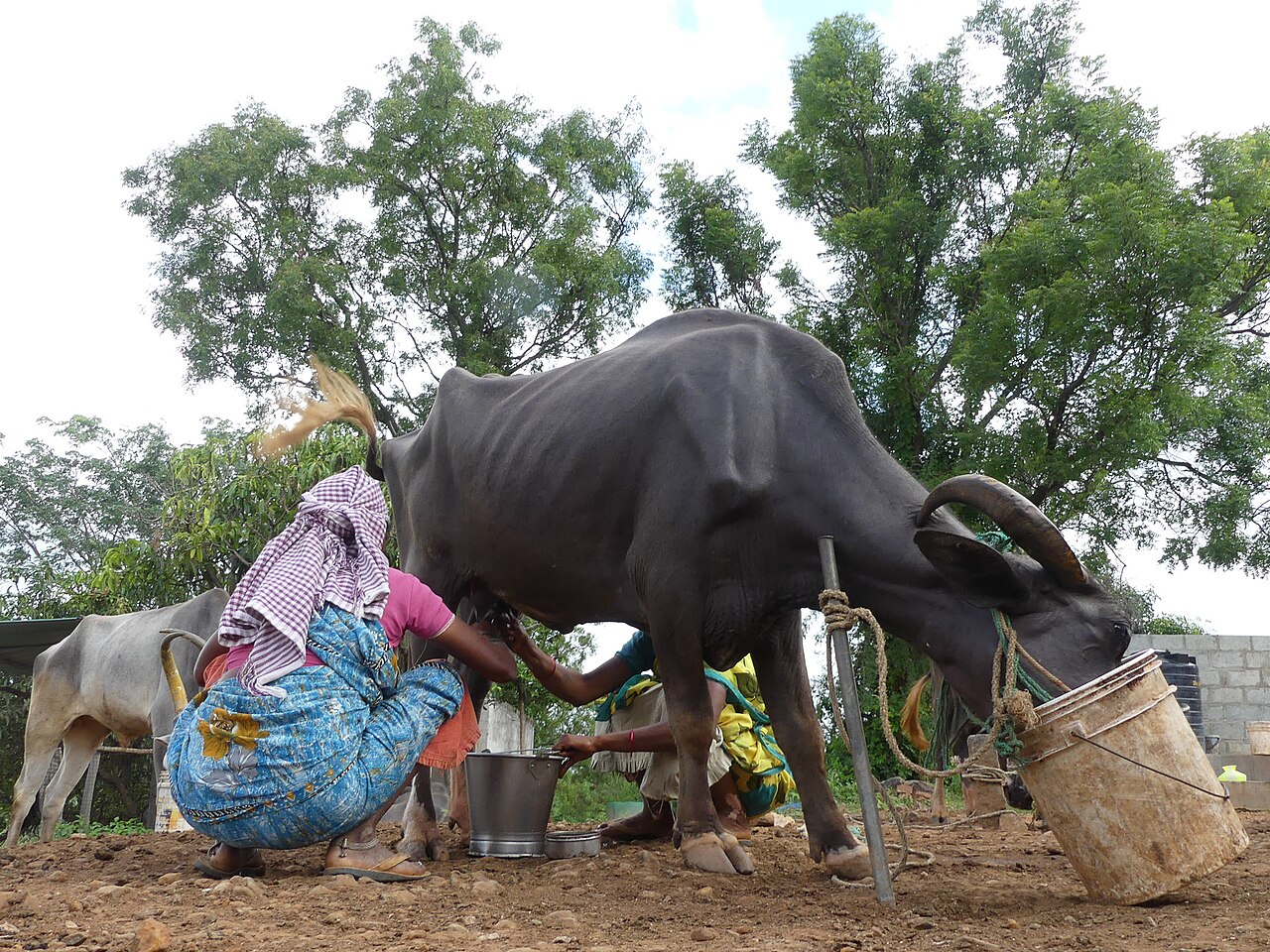
Water buffalo
Water-buffalo care for milk, meat and work, covering forage, drinking water, daily cooling, comfortable housing, safe handling, calf feeding and milking.
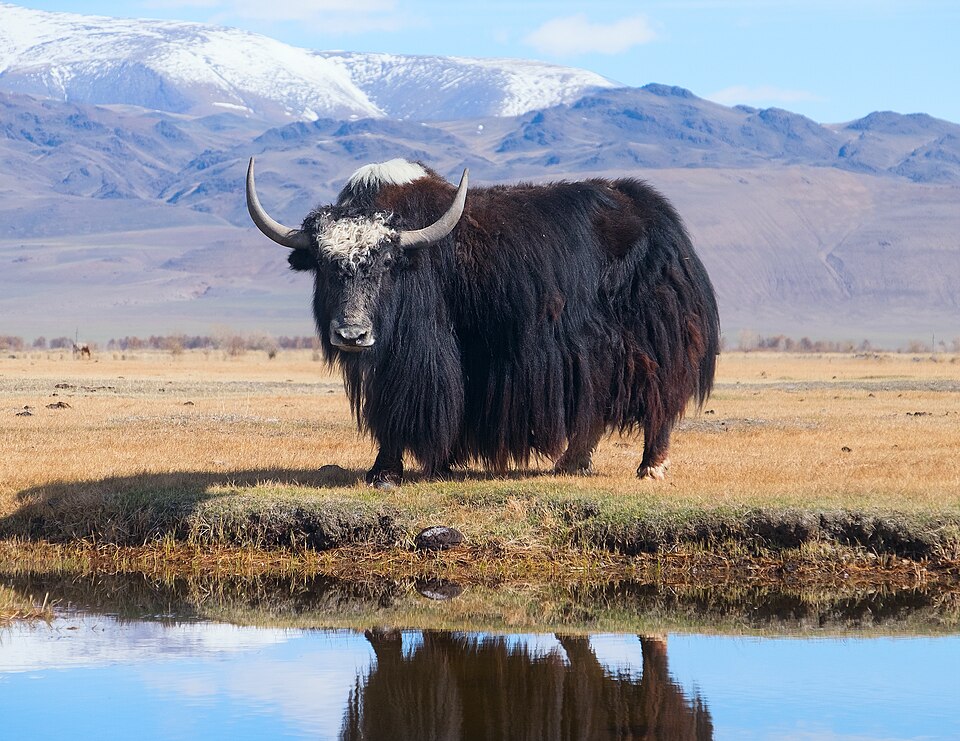
Yaks
Yak husbandry for cold highland systems, covering seasonal forage, winter feed planning, heat protection, calf growth, milk production and herd health.
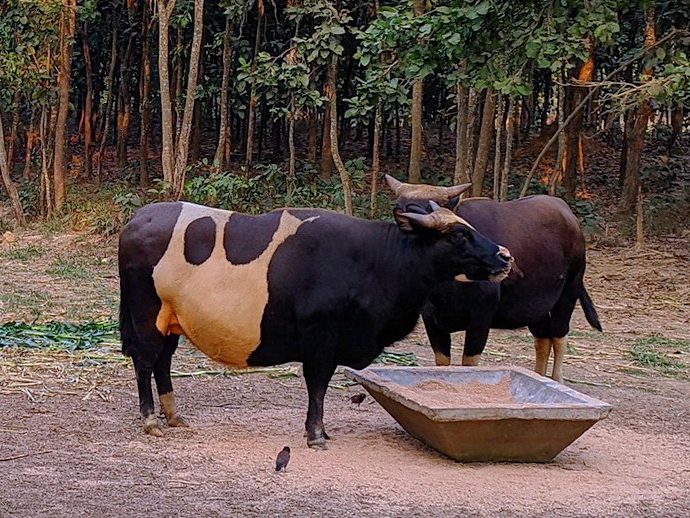
Mithun / gayal
Mithun are bovine livestock important in parts of northeast India and neighboring regions.
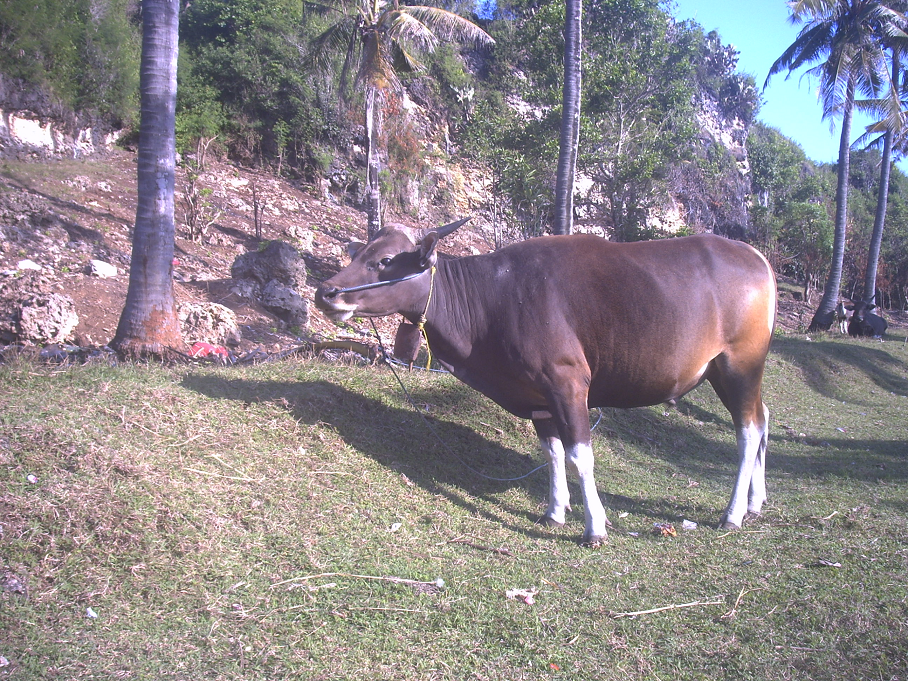
Bali cattle
Bali cattle are domesticated bovines associated with Indonesian and nearby production systems.
Small food animals
Cavies, grasscutters, regional farmed rodents and edible land snails.
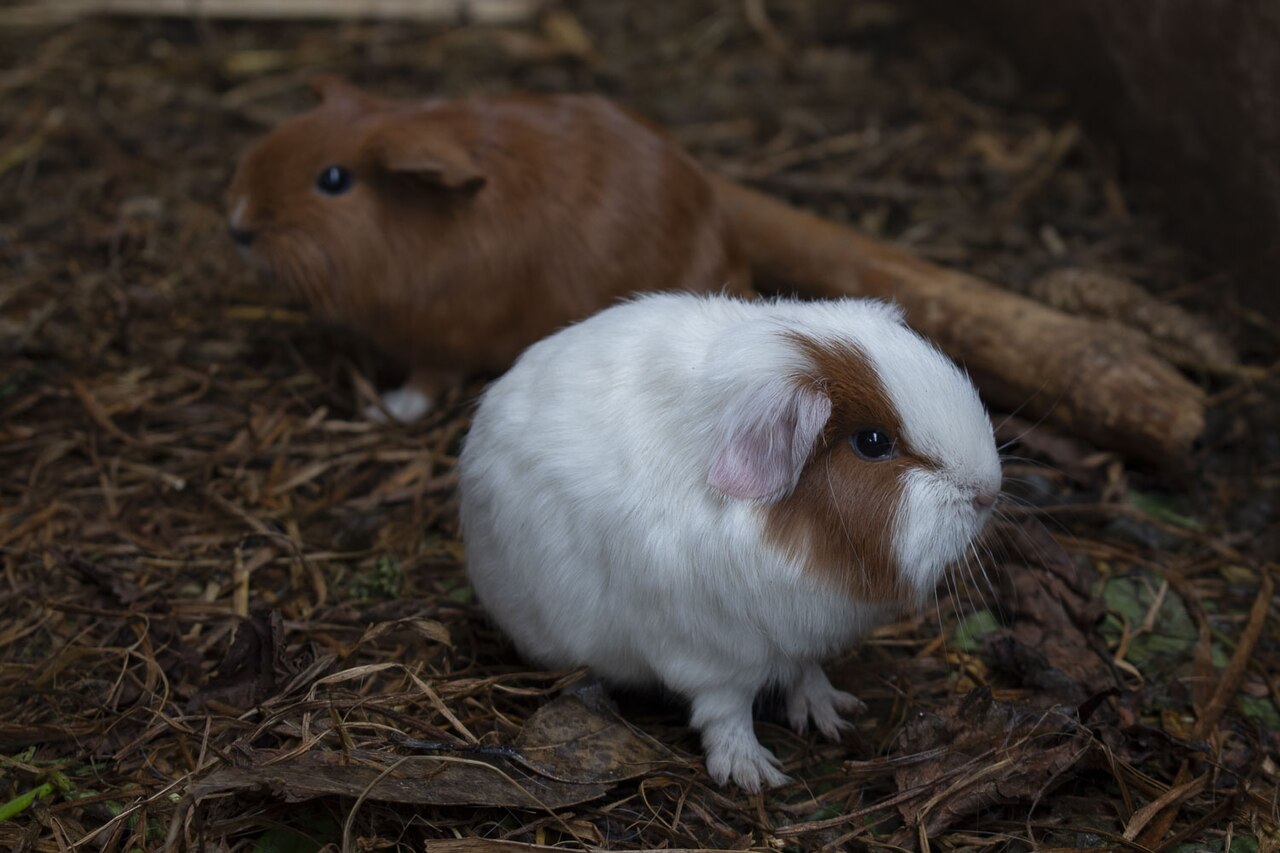
Guinea pigs
Guinea pigs are small herbivorous livestock raised for food in parts of the world.
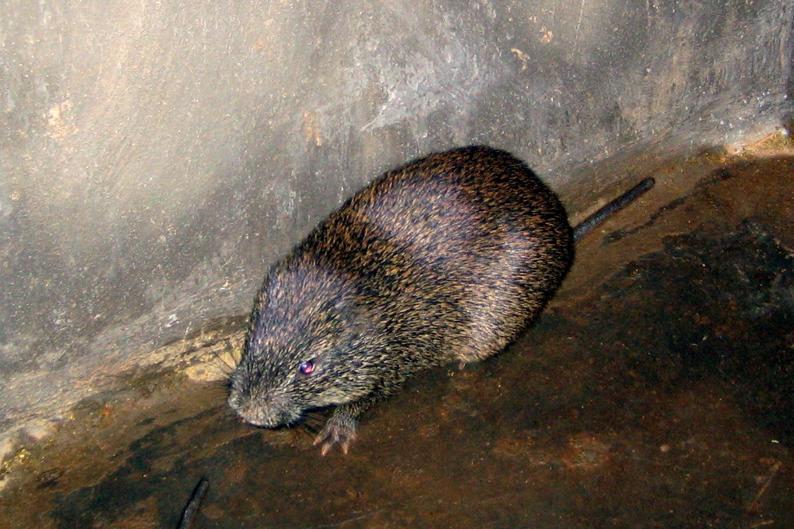
Grasscutters / cane rats
Grasscutter and cane-rat husbandry for managed meat production: suitable forage, clean water, secure housing, calm handling and compatible breeding groups.
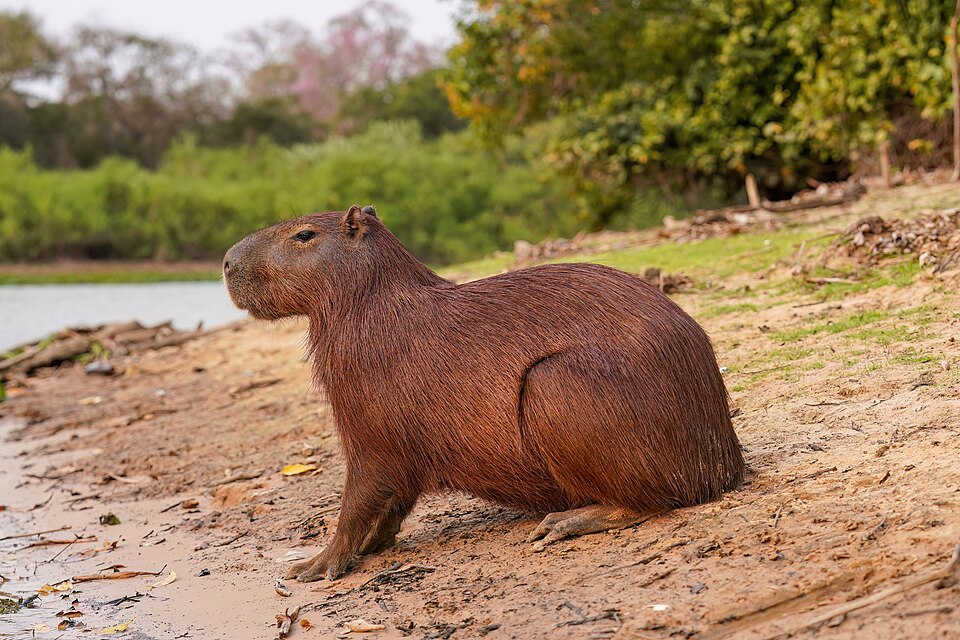
Farmed capybaras
Capybaras are large, social, semi-aquatic rodents kept in some authorized food-animal systems.
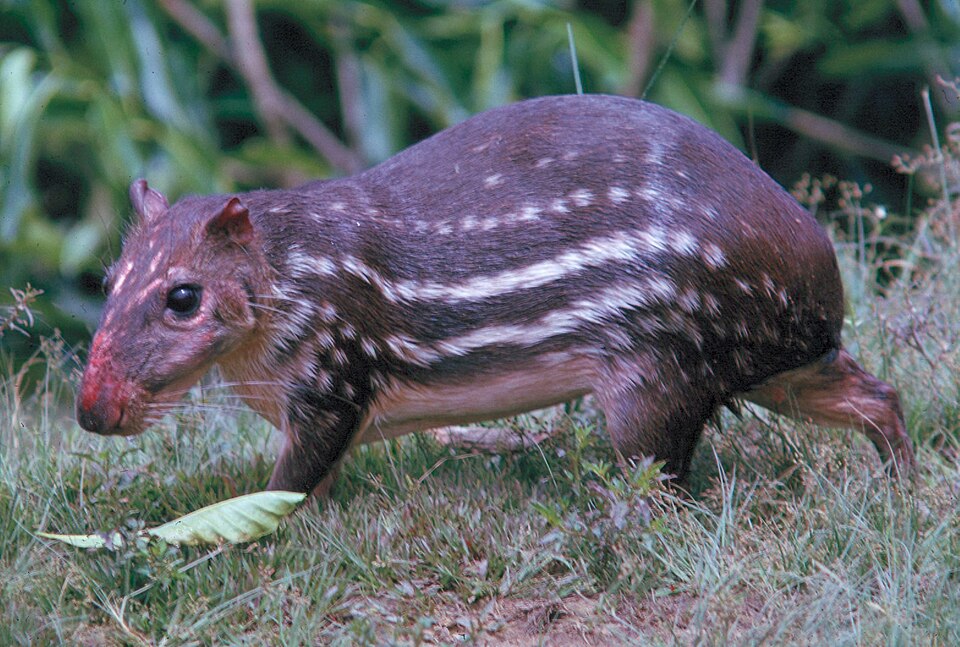
Farmed pacas
Pacas are tropical rodents raised in some authorized captive meat-production systems.
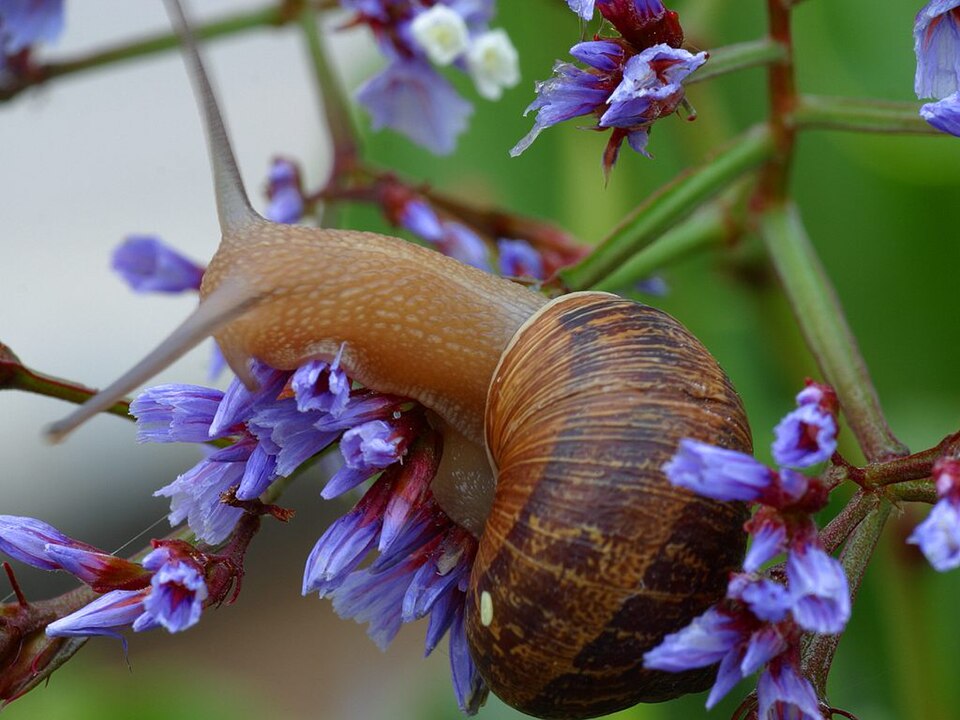
Edible land snails
Edible land snails need species-appropriate food, suitable calcium, a moist but well-drained environment and secure containment.
Poultry & food birds
Chickens, waterfowl, quail, guinea fowl, pigeons and farmed game birds.

Chickens
Chickens need a complete life-stage diet, clean water, secure housing, dry litter and opportunities for normal behaviour.
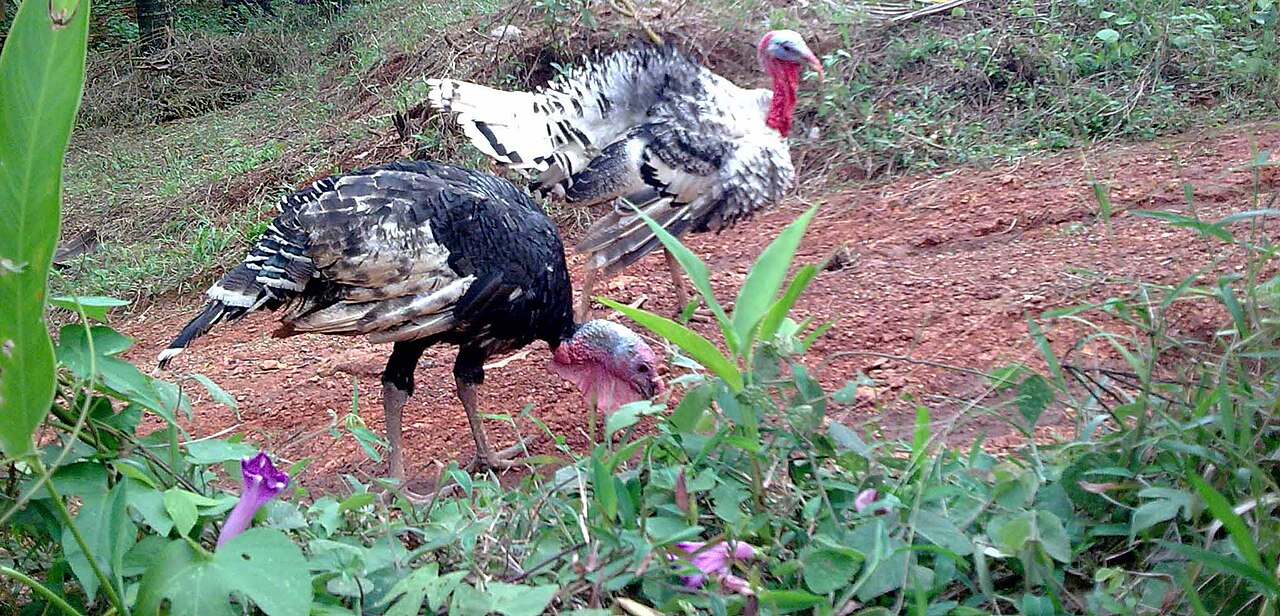
Turkeys
Turkeys need turkey-specific feeding, attentive poult brooding, dry litter and adequate feeding and drinking access as they grow.
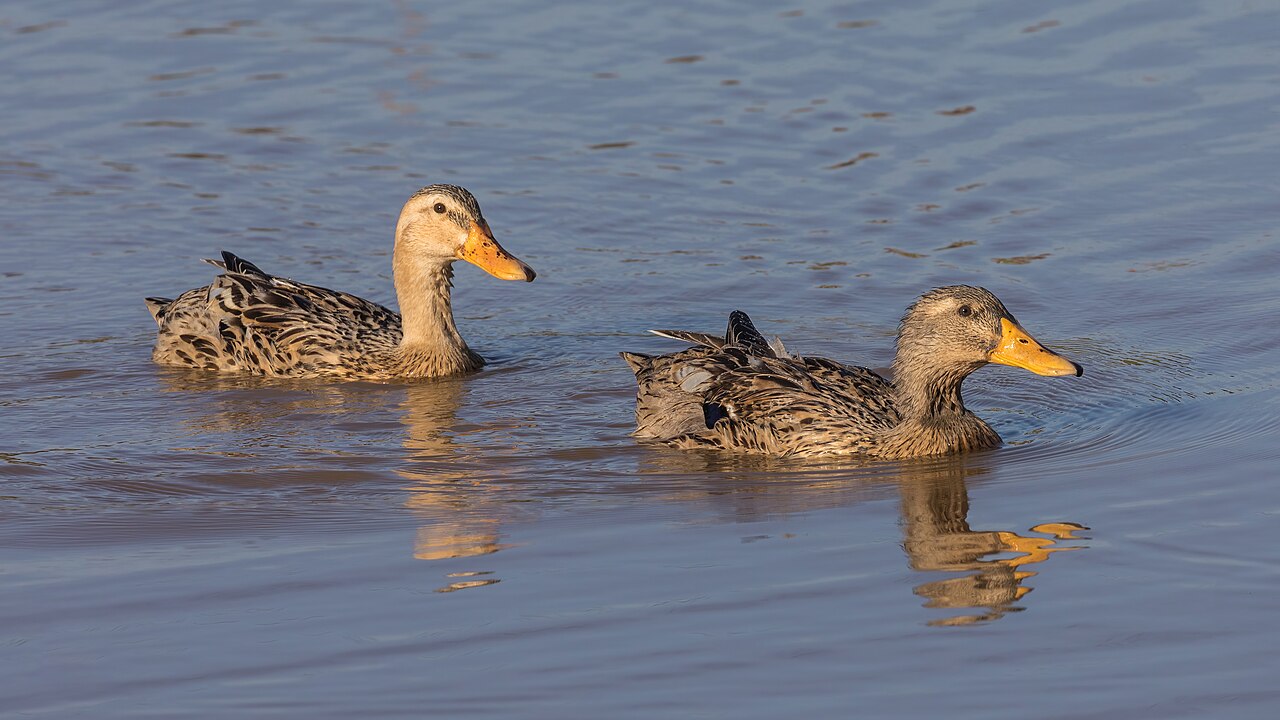
Ducks
Domestic ducks need a complete duck-appropriate diet, clean drinking water, dry resting litter and housing that manages splashing without restricting normal behaviour.
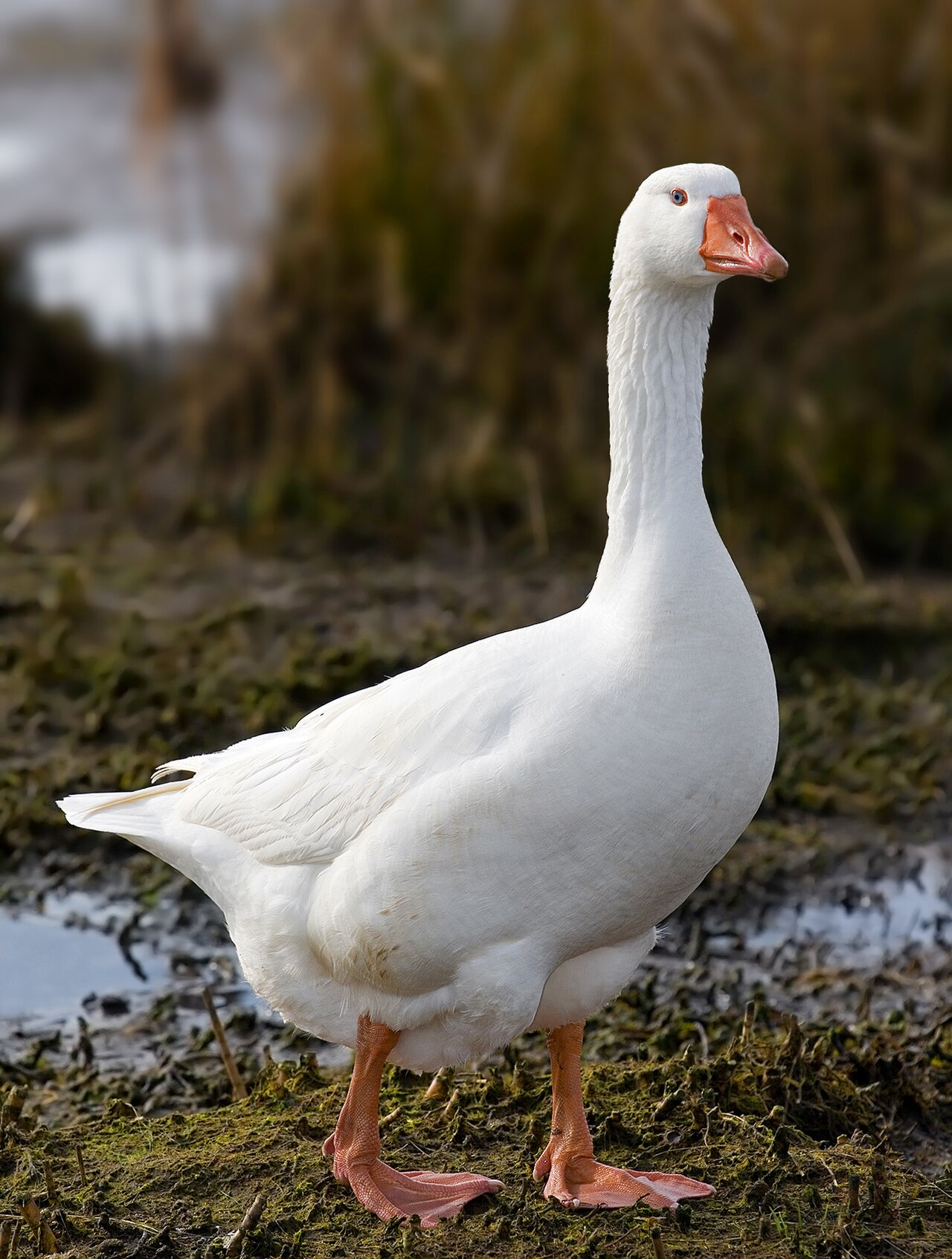
Geese
Domestic geese are grazing waterfowl kept for meat, breeding and other farm products.
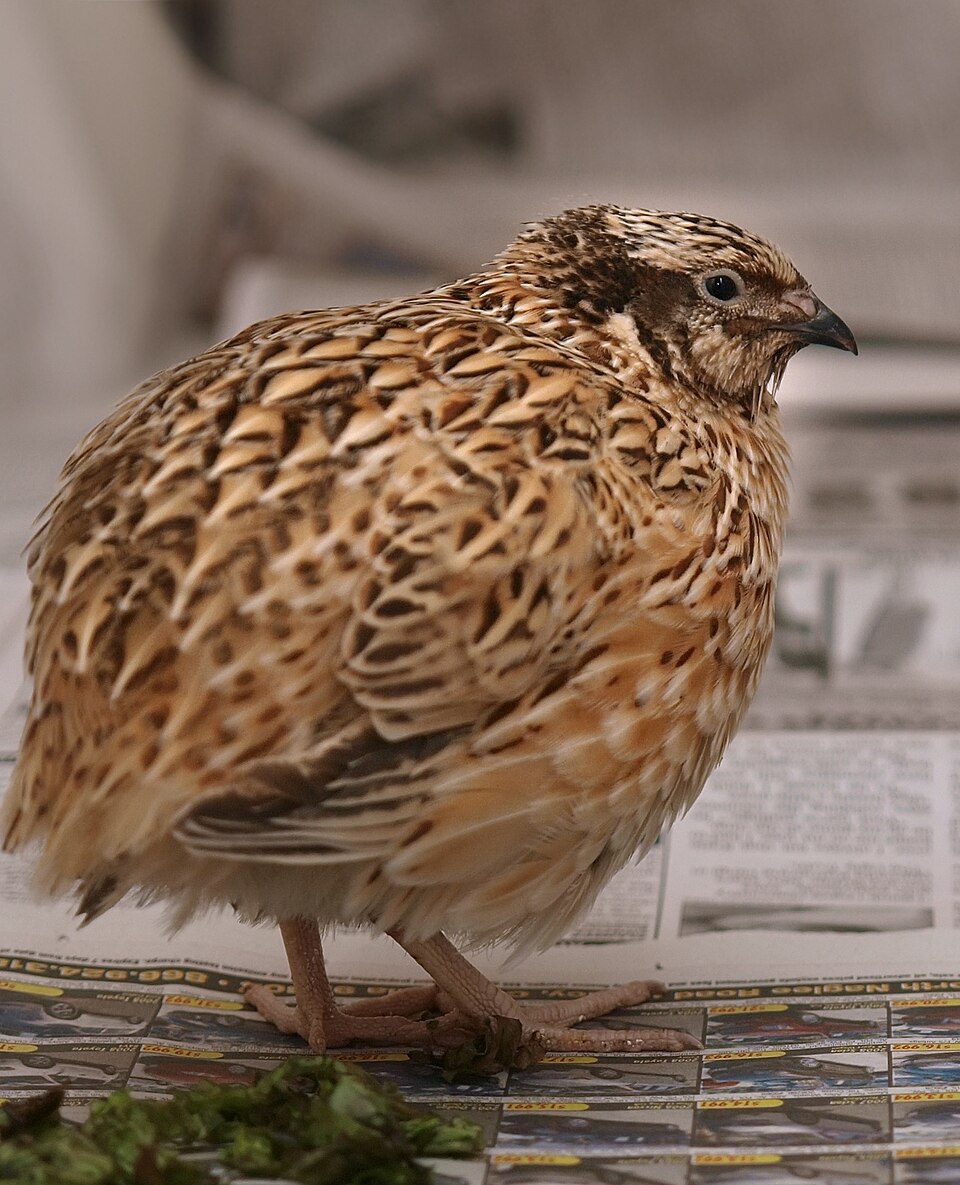
Quail
Food quail need a species-appropriate ration, secure housing and careful brooding.
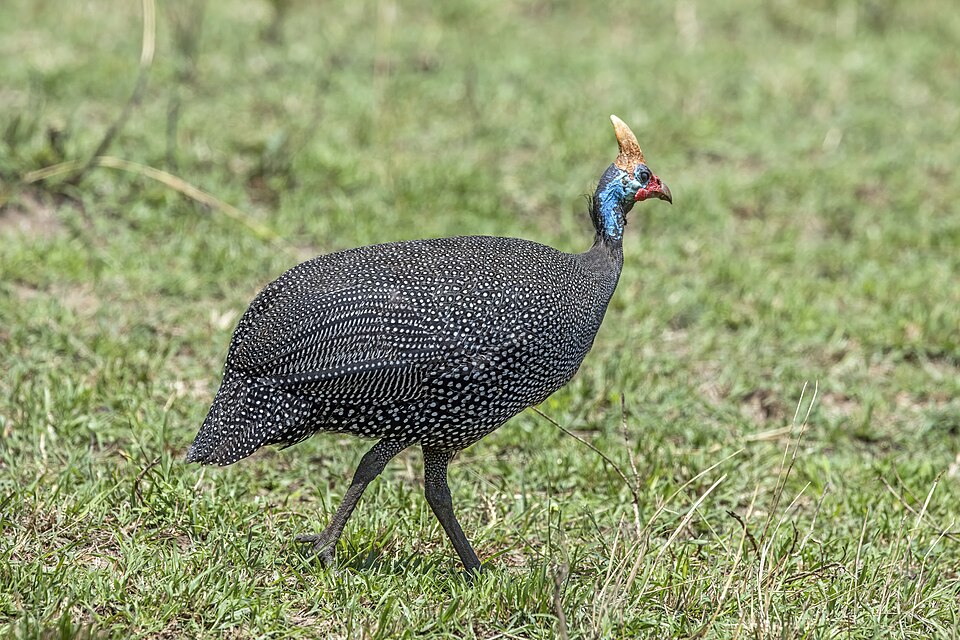
Guinea fowl
Care for guinea fowl with protected keet brooding, complete feed, drinking water, dry shelter, managed ranging and early attention to signs of illness.
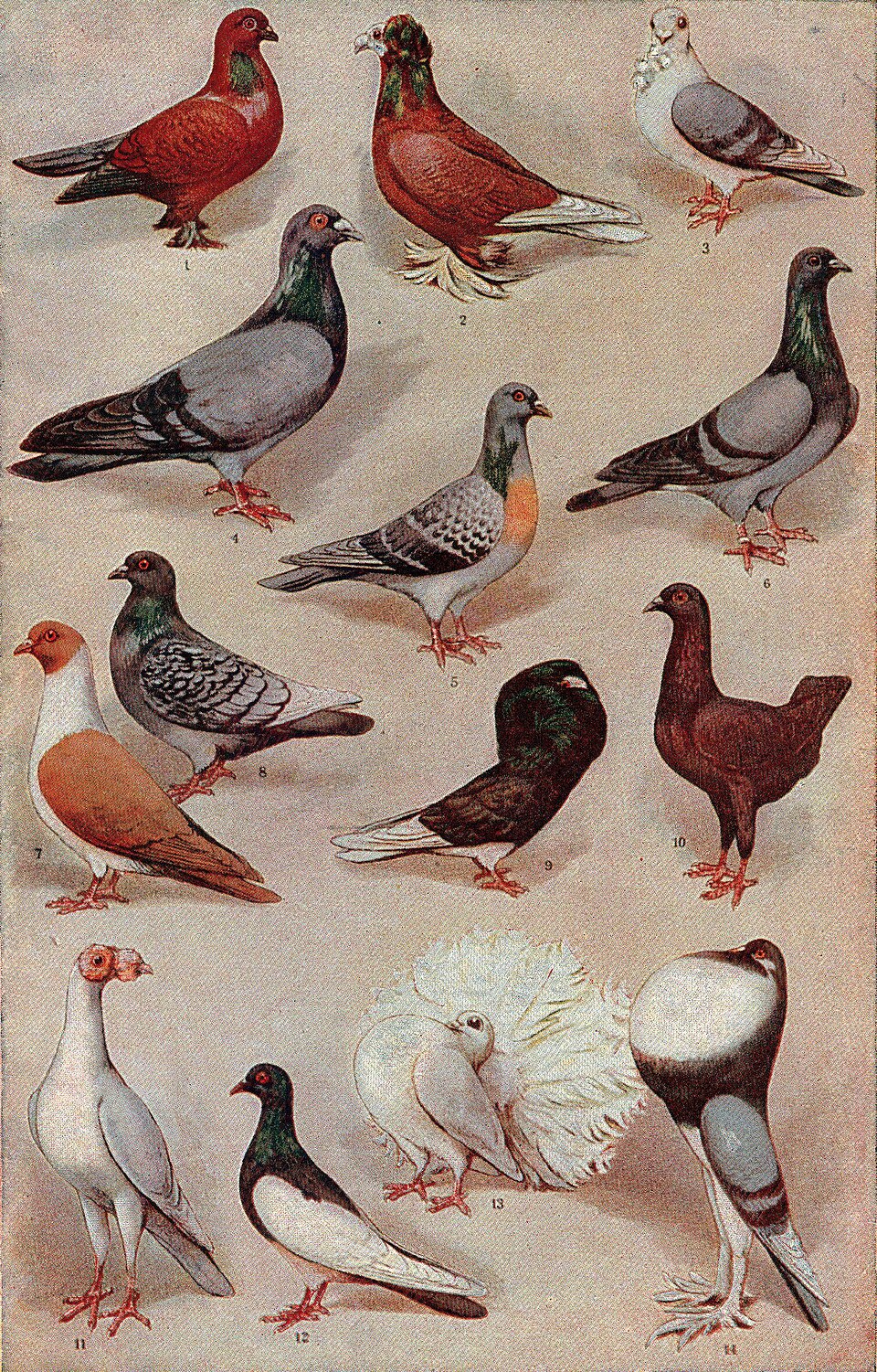
Meat pigeons / squab
Meat-pigeon production depends on healthy breeding pairs that incubate eggs and feed squabs.
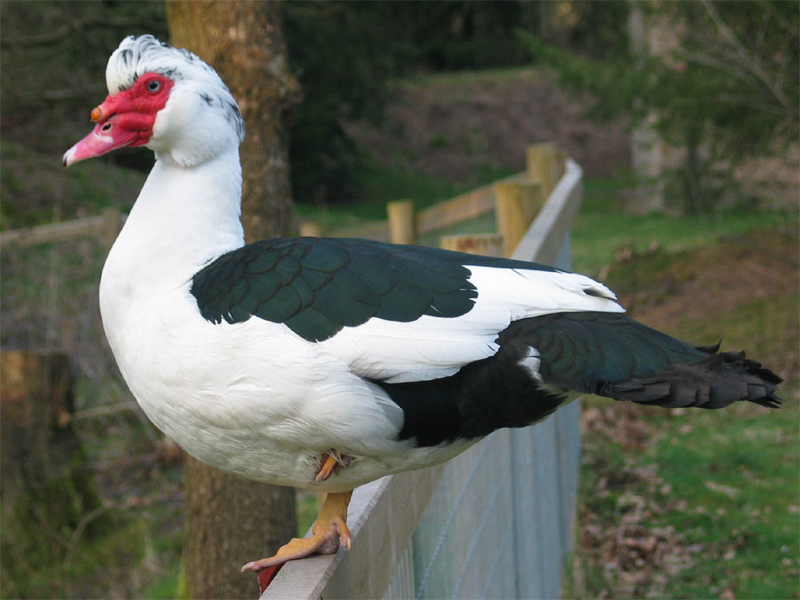
Muscovy ducks
Muscovy ducks are food poultry with different behavior and breeding characteristics from common domestic ducks.
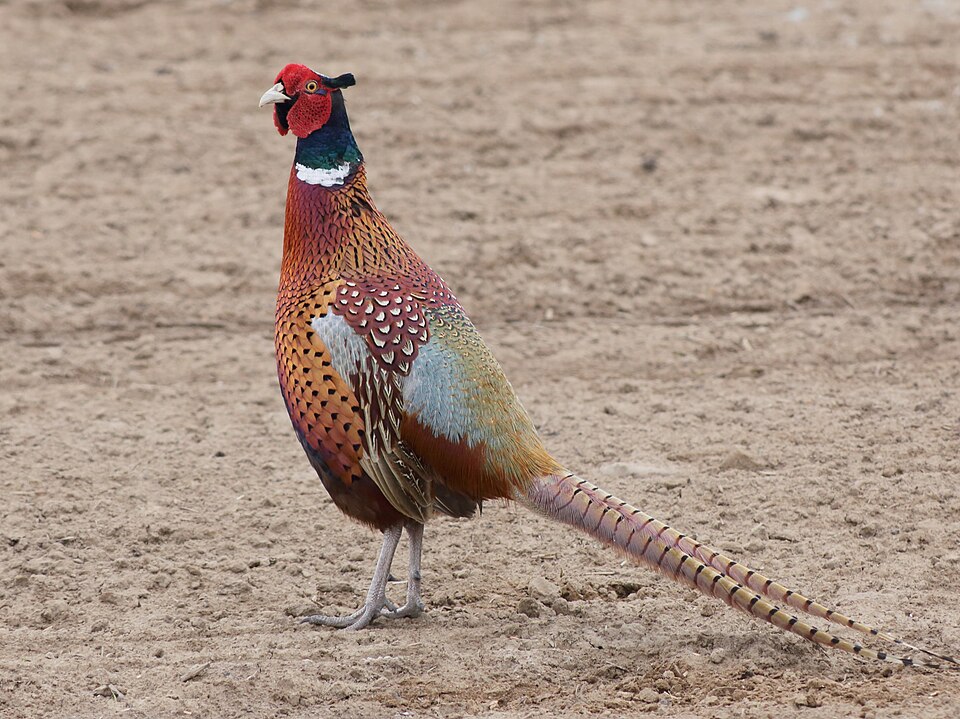
Farmed pheasants
Farmed pheasants need gamebird feed suited to their stage, careful brooding, dry secure pens and enough cover and feeding space to reduce injury and competition.
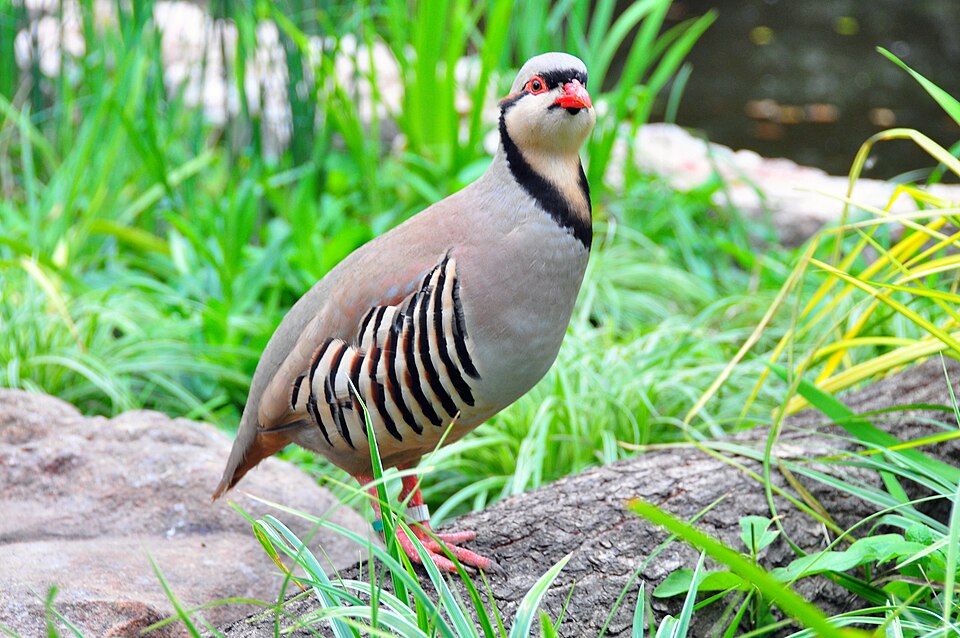
Farmed partridges
Farmed partridges require species-specific gamebird management: careful chick brooding, suitable complete feed, dry footing and secure pens with room to avoid aggression.
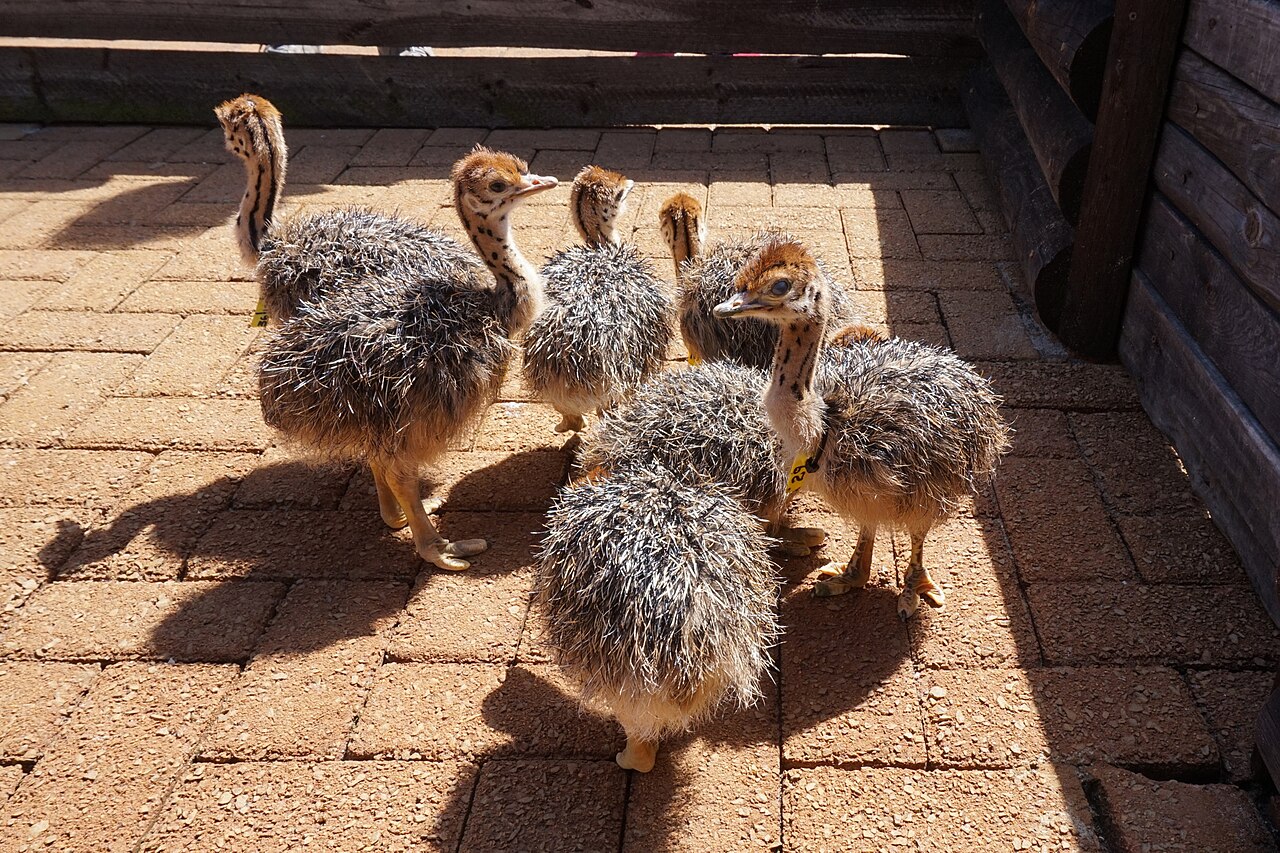
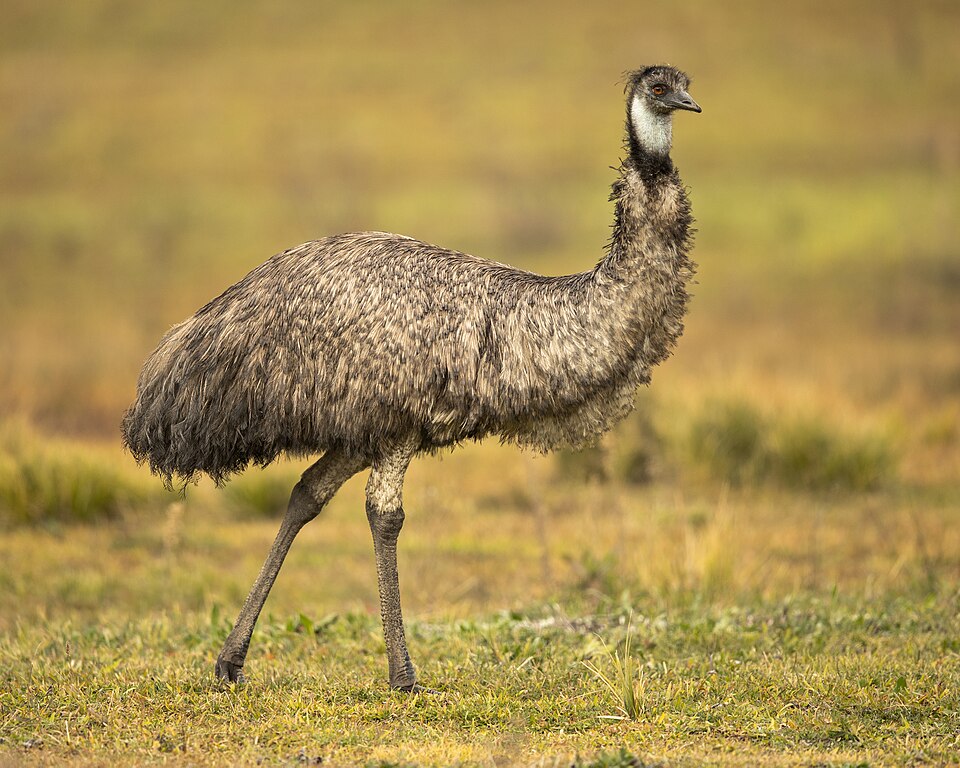
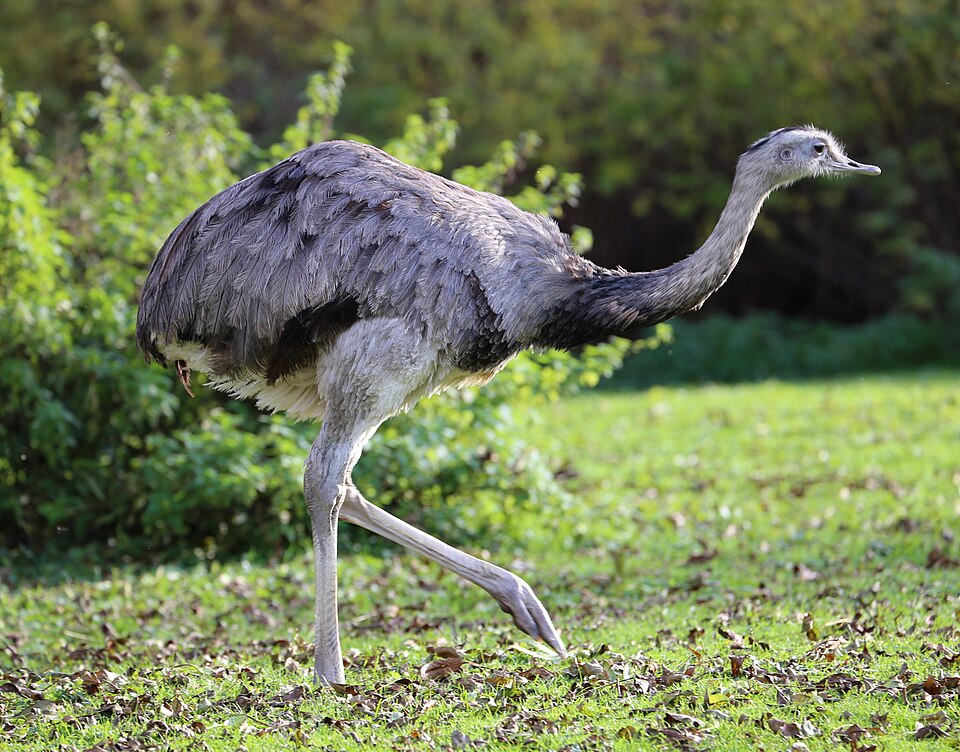
Ostriches, emus & rheas
Farmed ratites and their production systems.
Working & food-chain equines
Horses, donkeys and mules kept as livestock.
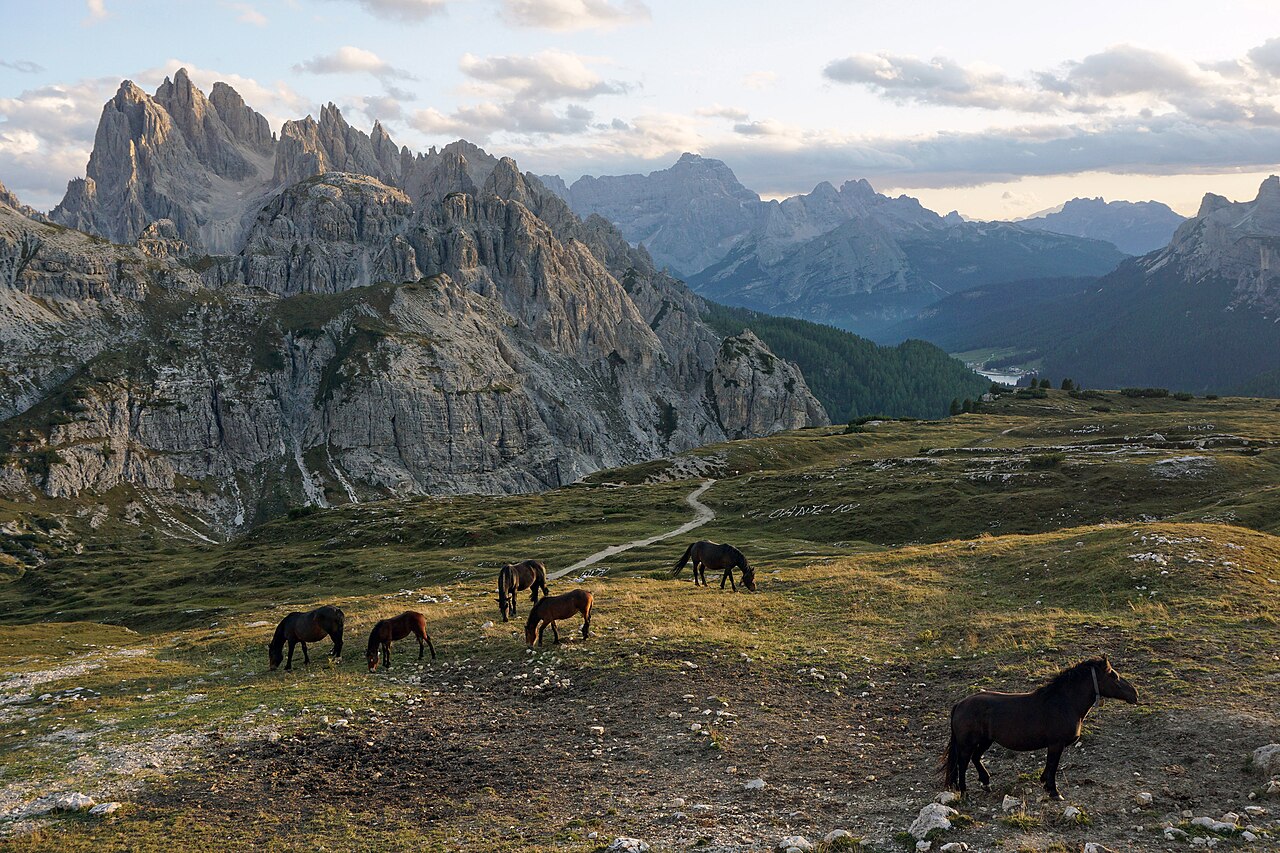
Horses
Horses kept for work, breeding or other livestock roles need forage-based feeding, clean water, safe movement and routine hoof and dental care.
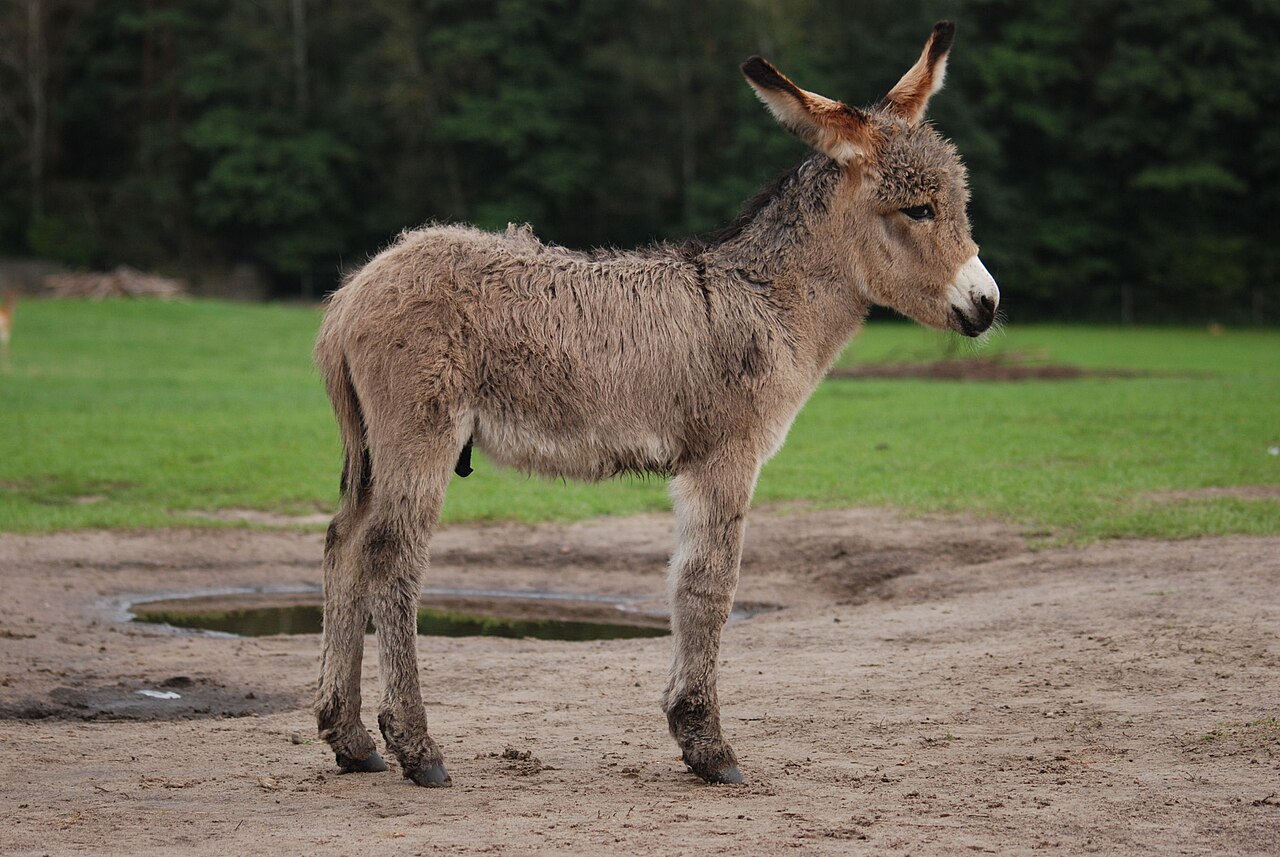
Donkeys
Donkeys need suitable fibre-based feeding, careful control of excess weight, dry shelter and species-appropriate hoof and dental care.
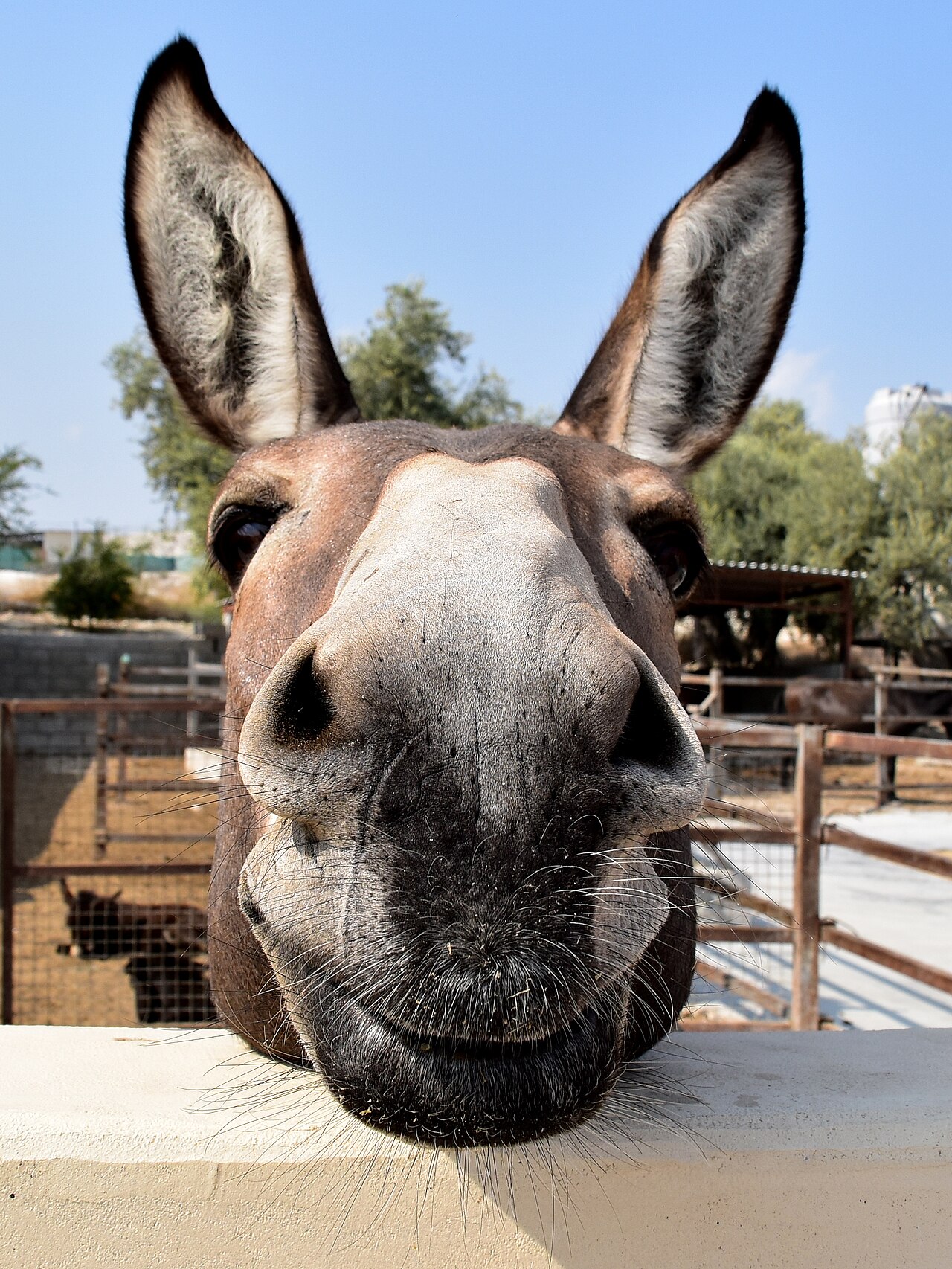
Mules
Care for working mules with feeding matched to condition and workload, well-fitted equipment, training, rest, shelter and routine hoof and dental attention.
Camels, camelids & managed deer
Dromedaries, Bactrian camels, alpacas, llamas, deer, elk and reindeer.
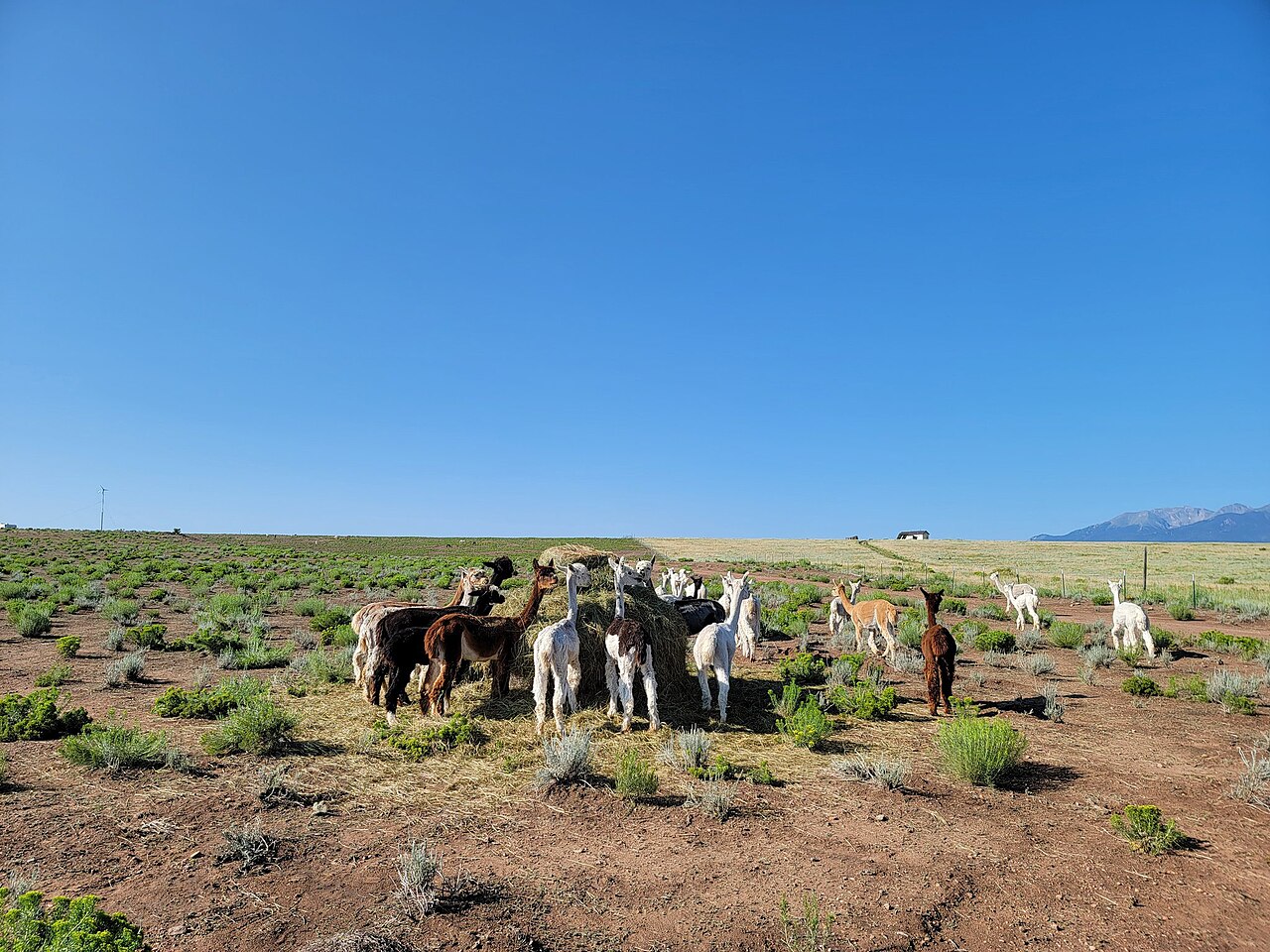
Alpacas
Alpacas are fibre-producing camelid livestock that need compatible companions, suitable forage, seasonal fibre care and attention to feet, teeth and young stock.
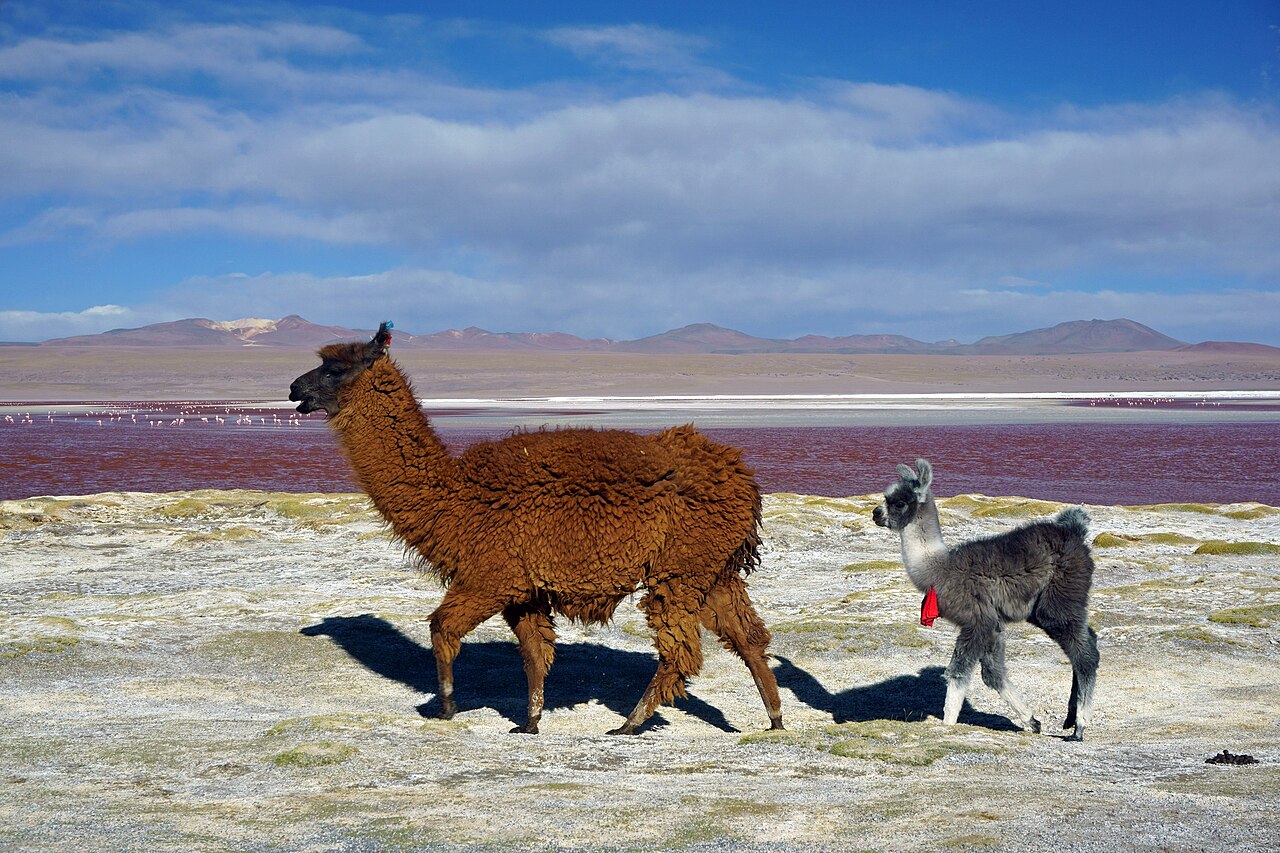
Llamas
Llamas are South American camelid livestock kept for fibre, packing, breeding and, in some systems, meat or flock guarding.
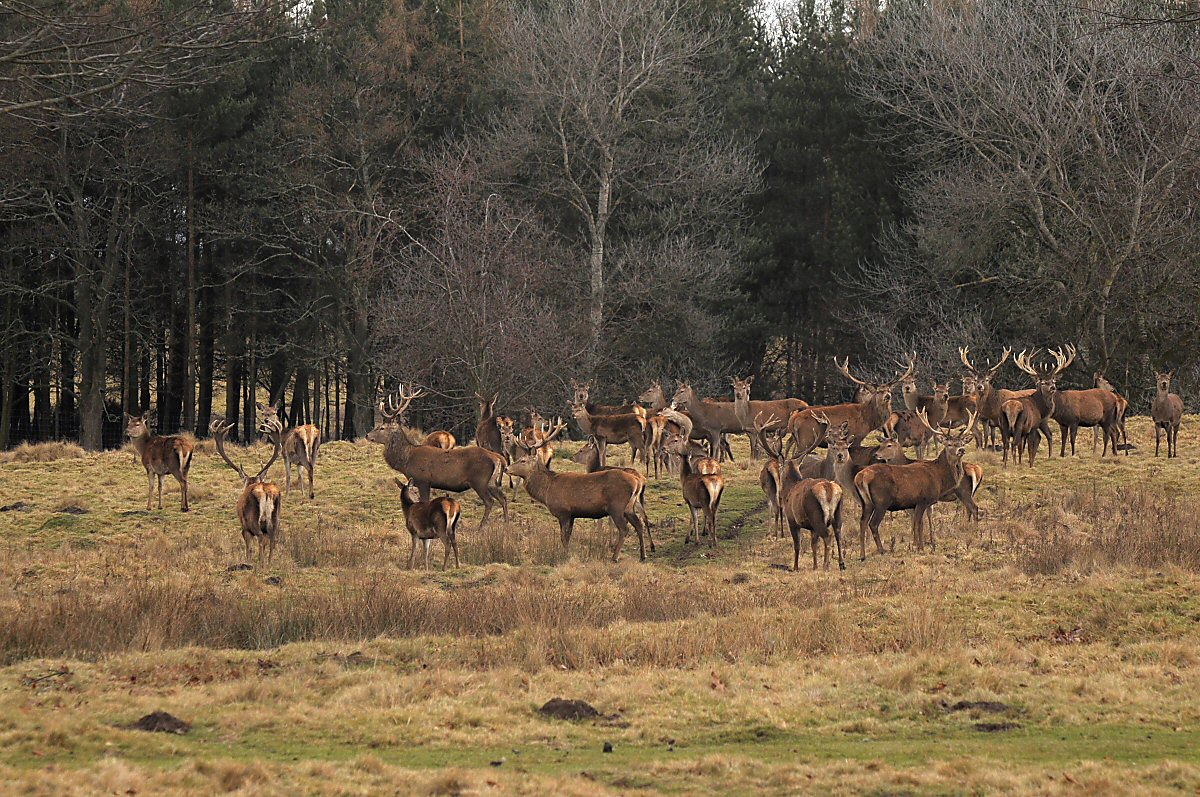
Farmed deer
Farmed deer require species-appropriate forage, secure containment, calm handling and management that follows seasonal breeding and young-stock needs.
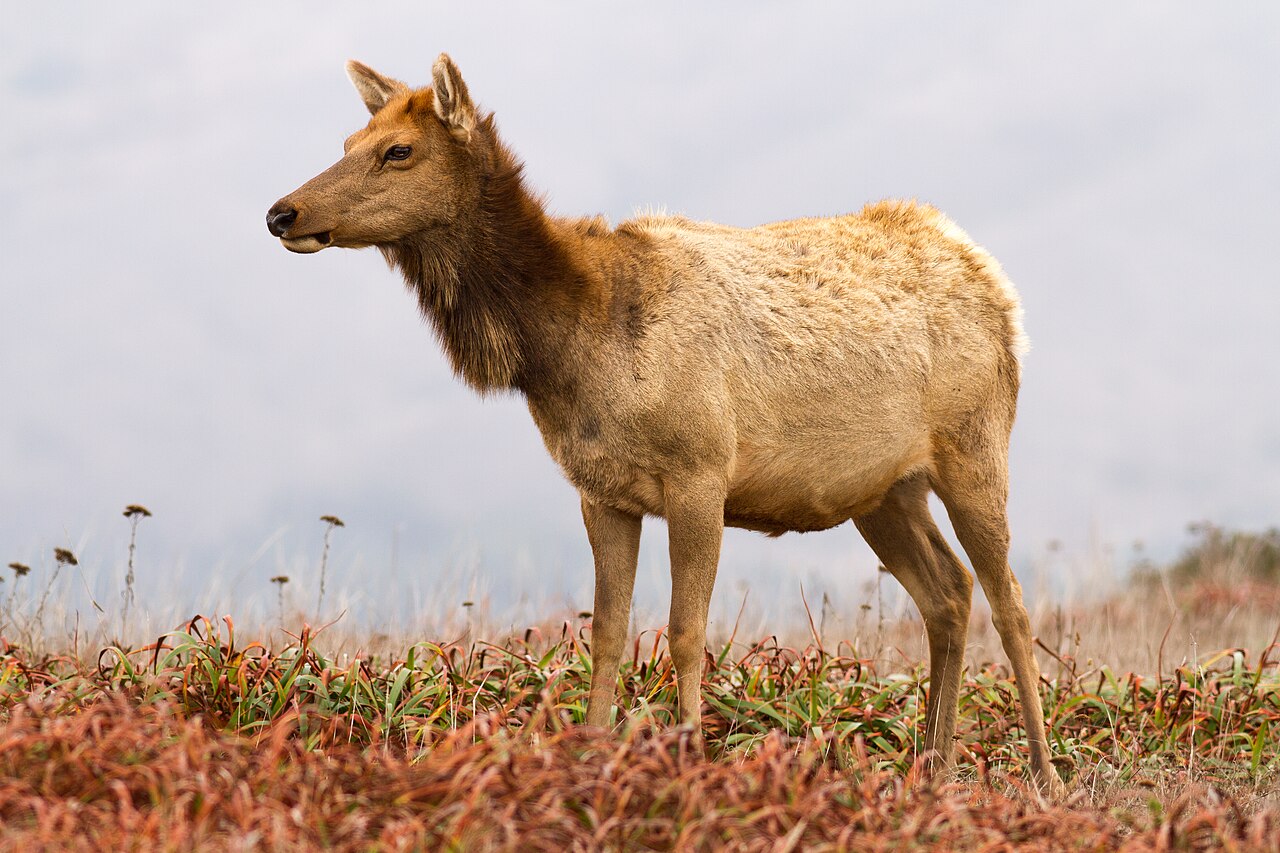
Farmed elk
Farmed elk need a dependable forage base, secure deer-specific facilities and care that accounts for seasonal breeding, calving and body-condition changes.
Deer & elk overview
Care for managed deer, elk and reindeer, with species-specific feeding, seasonal breeding, secure facilities, calm handling and herd-health considerations.
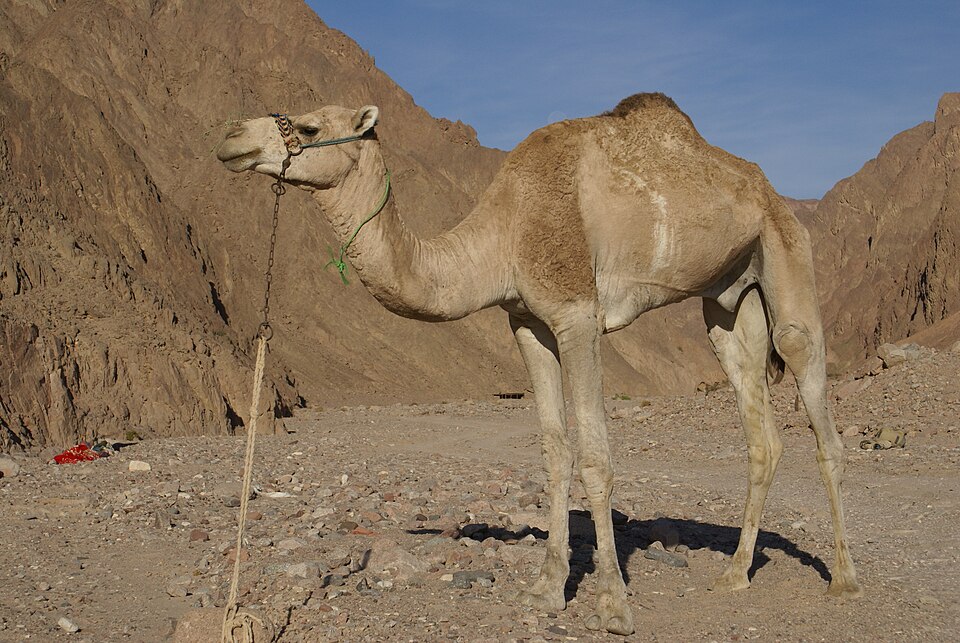
Dromedary camels
Dromedary-camel husbandry for milk, meat and work, covering forage, drinking water, shade, safe handling, breeding and the needs of females and calves.
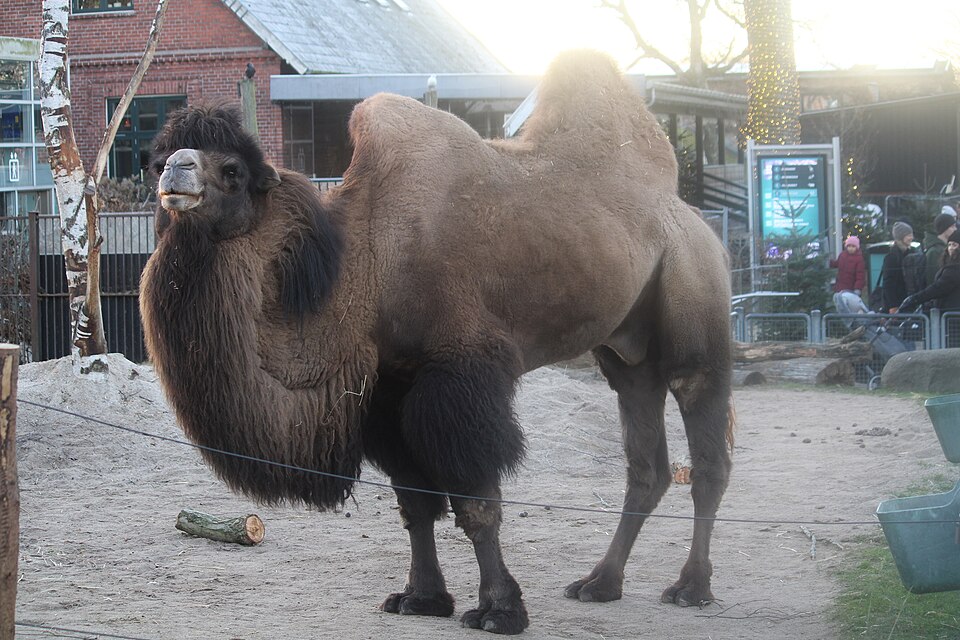
Bactrian camels
Domestic Bactrian camels are two-humped livestock used for milk, meat, fibre and work.
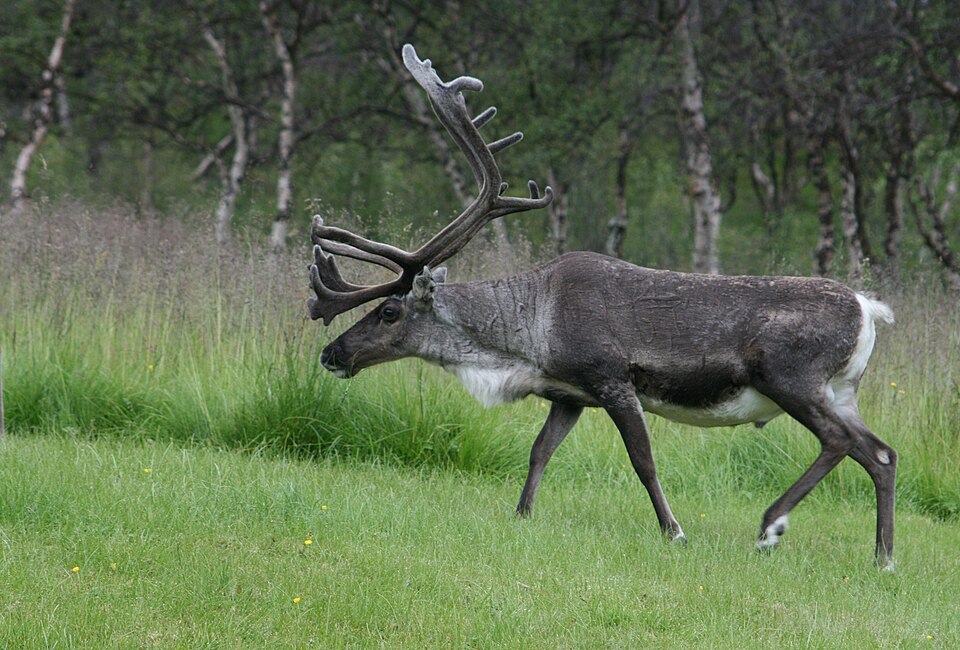
Managed reindeer
Managed reindeer are food and livelihood animals in northern production systems.
Aquaculture & apiary overviews
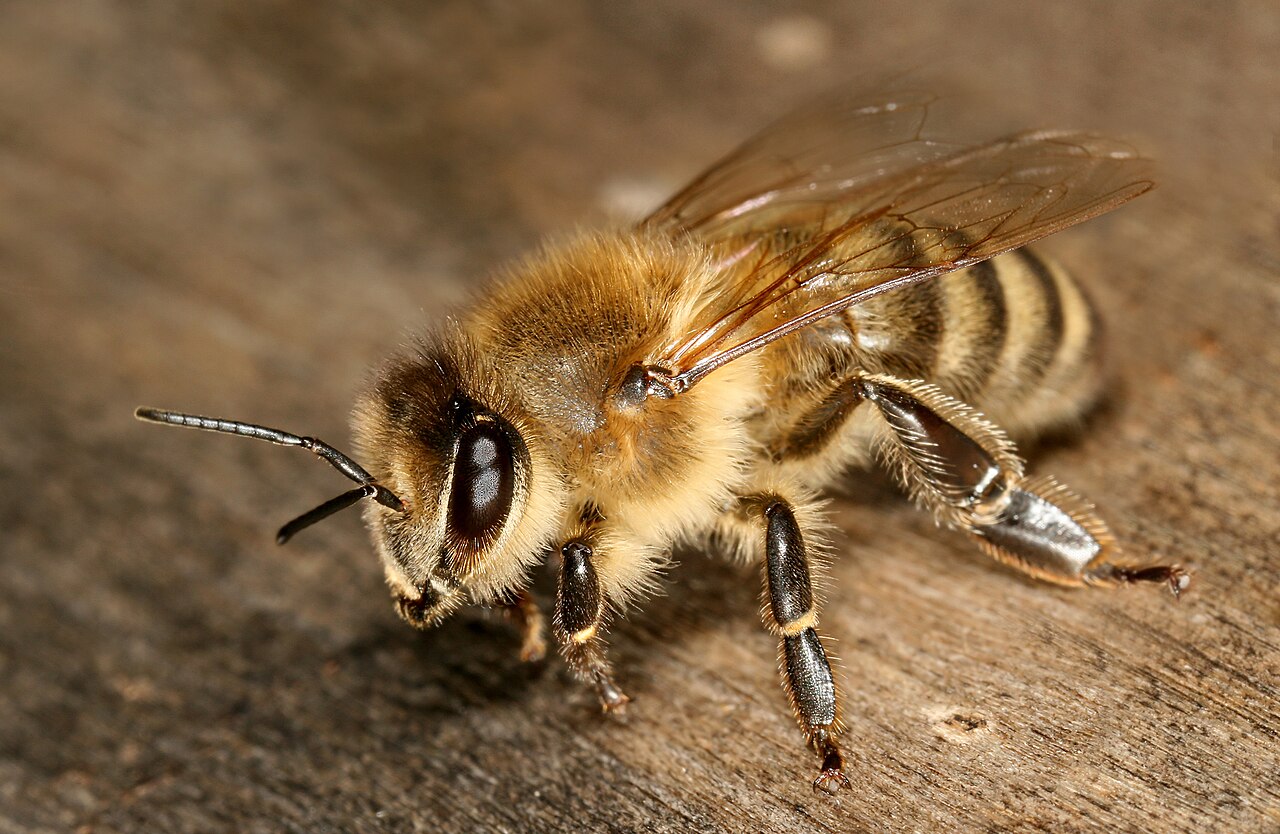
Start with the production system or managed honey bees.
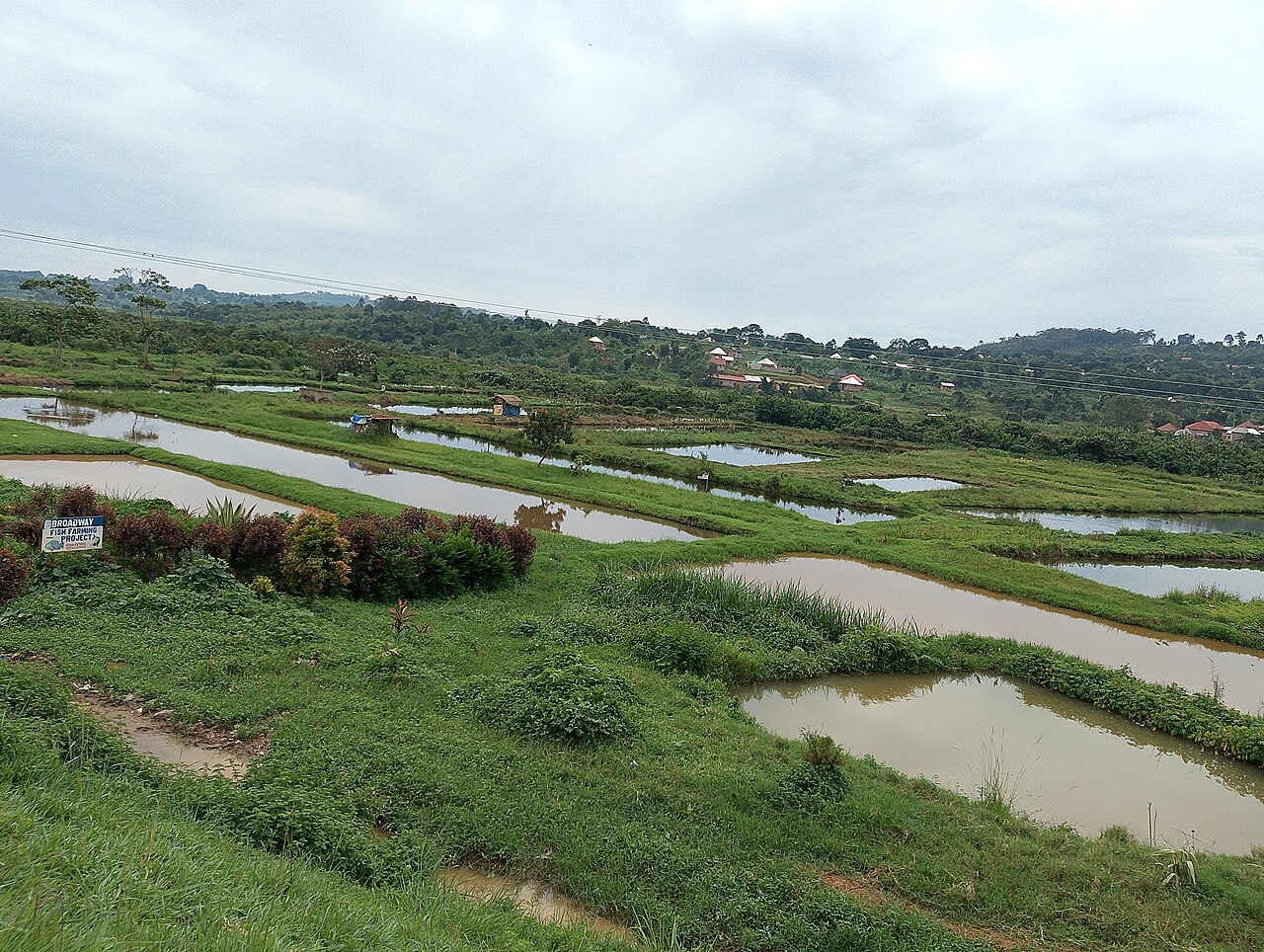
Freshwater food fish
Tilapia, carp and catfish production references.
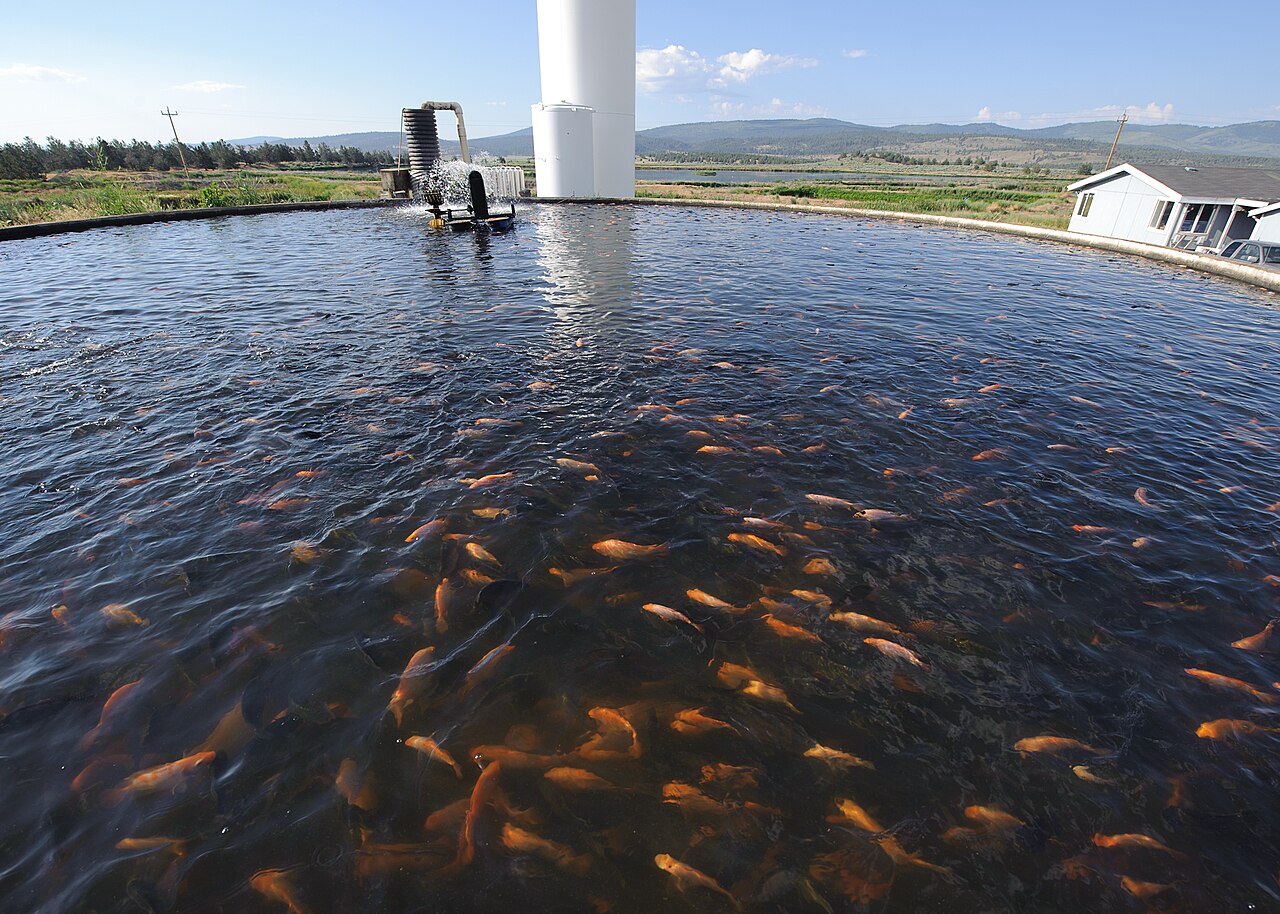
Tilapia
Tilapia are warmwater food fish whose care depends on the stock, life stage and production system.
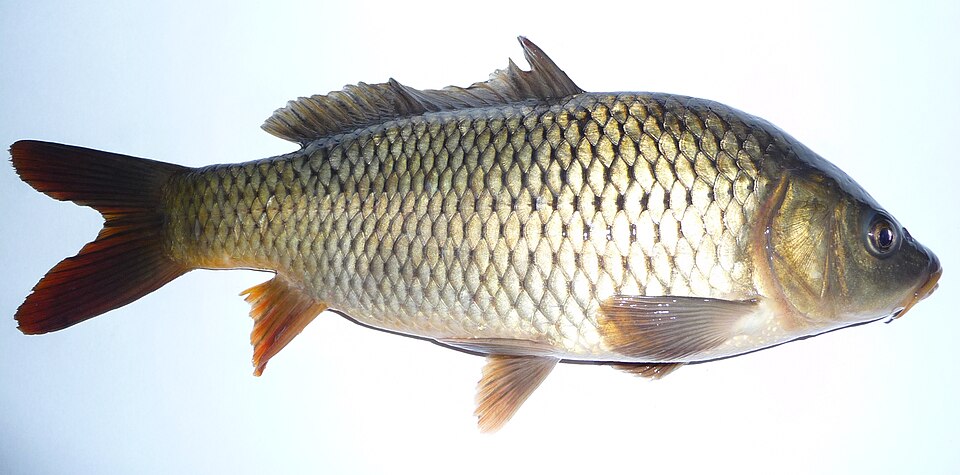
Carp
Carp-farming guidance that distinguishes species and feeding niches, with pond food webs, supplemental feeding, oxygen, nursery stages and seasonal care.
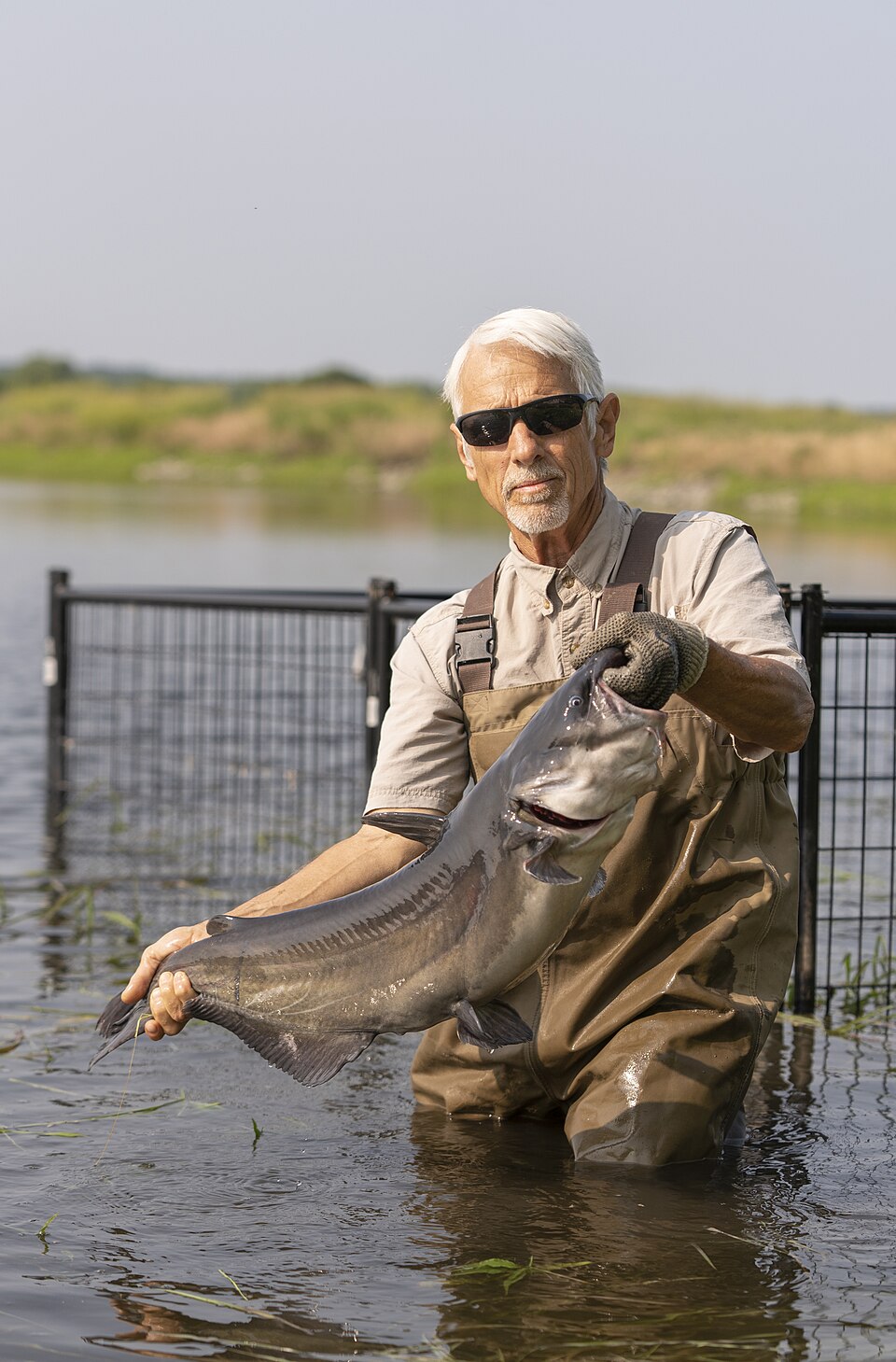
Farmed catfish
Farmed catfish include channel catfish, blue-catfish hybrids, African catfish and other food fishes with different biology.
Salmonids & coastal food fish
Salmon, trout, milkfish and barramundi.
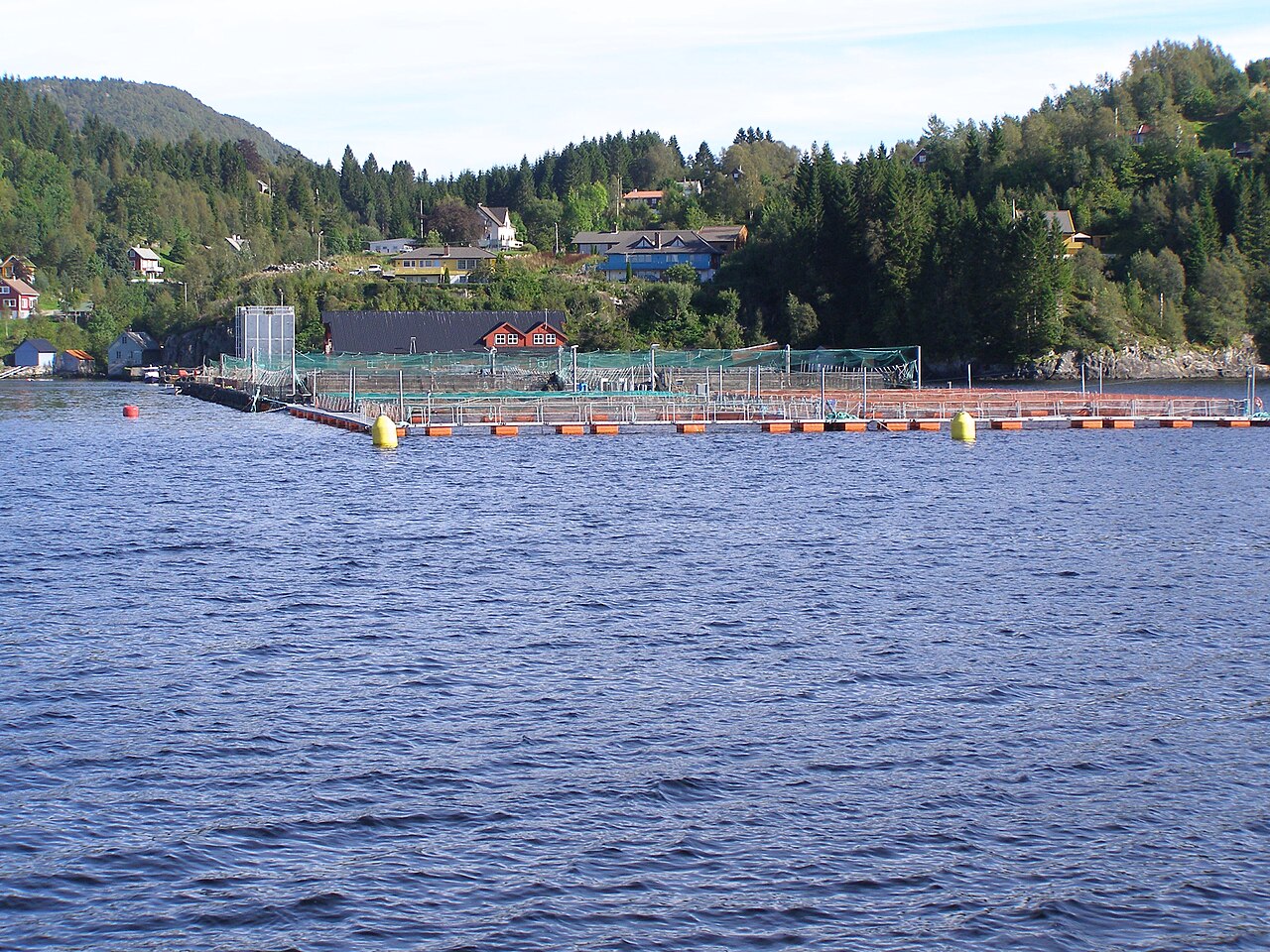
Farmed salmon
Salmon farming commonly links a freshwater hatchery and juvenile stage with later marine grow-out, although land-based systems also exist.
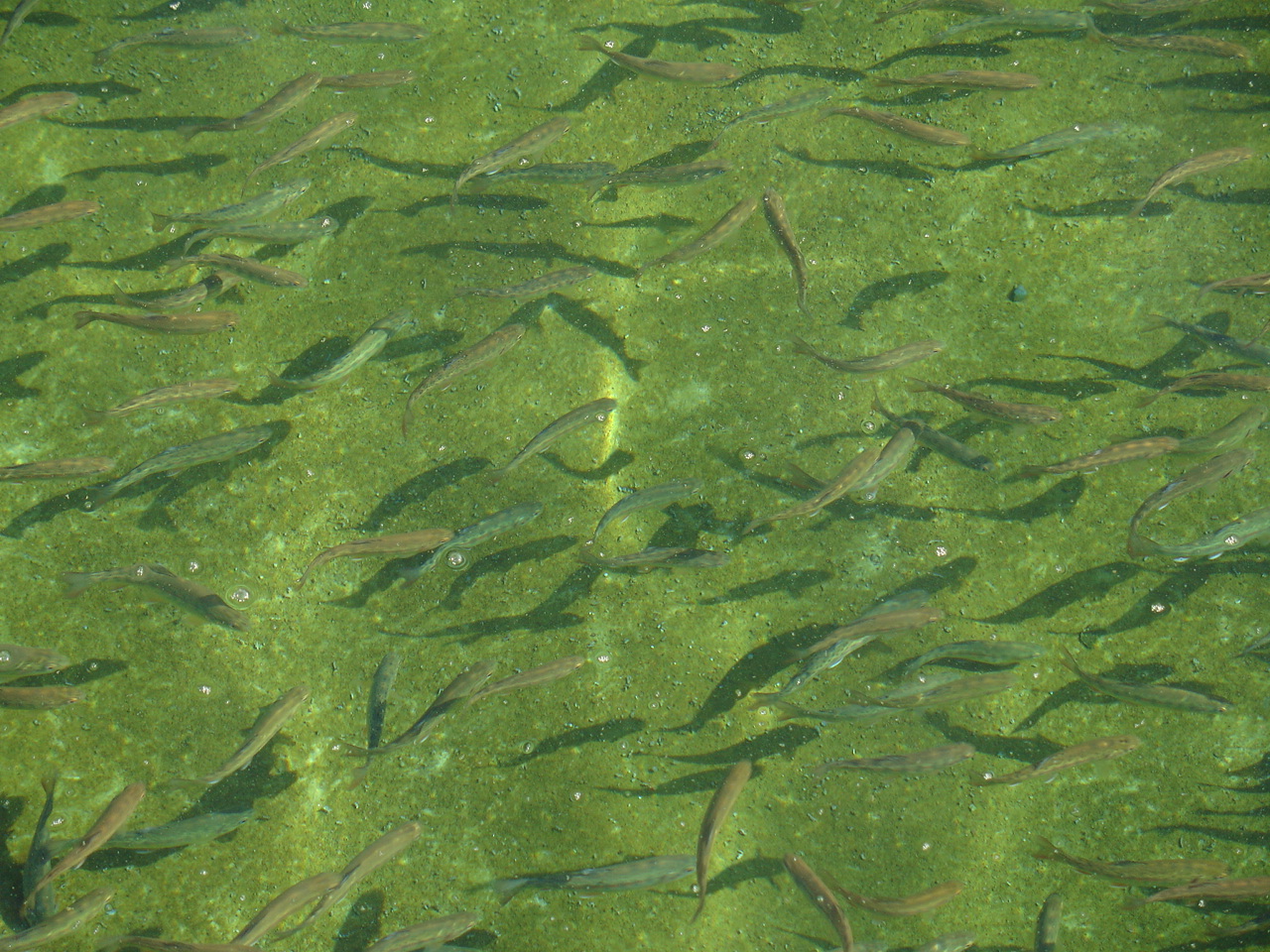
Farmed trout
Rainbow-trout farming depends on cool, oxygenated water and care matched to each life stage. Explore eggs, fry, feeding, grow-out and careful handling.
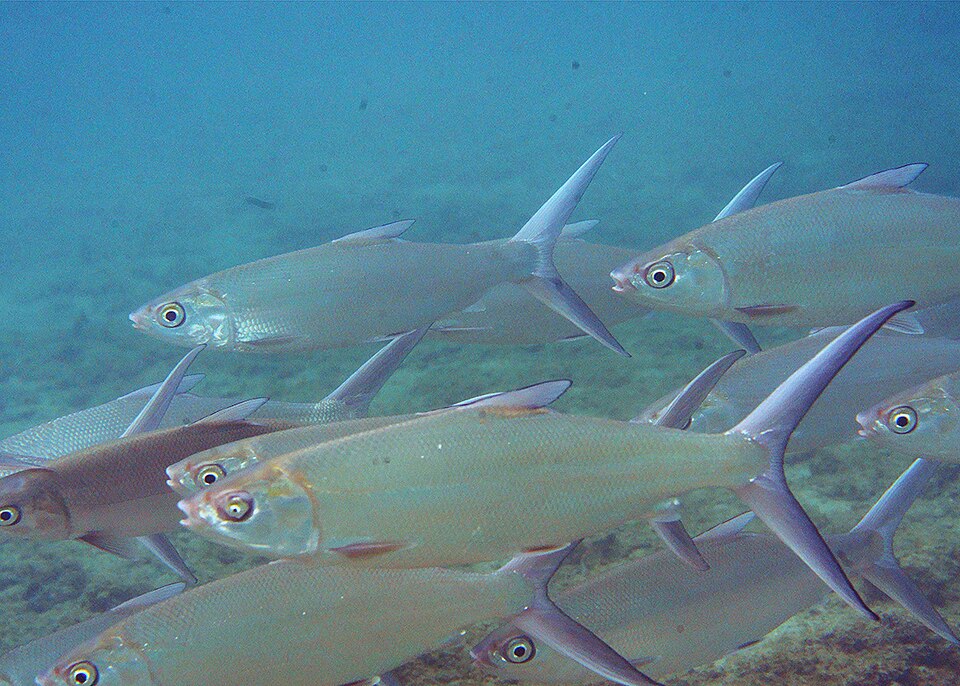
Milkfish
Milkfish, or bangus, husbandry across hatchery, nursery and grow-out stages, covering natural pond food, formulated feeds, pens, cages and water management.
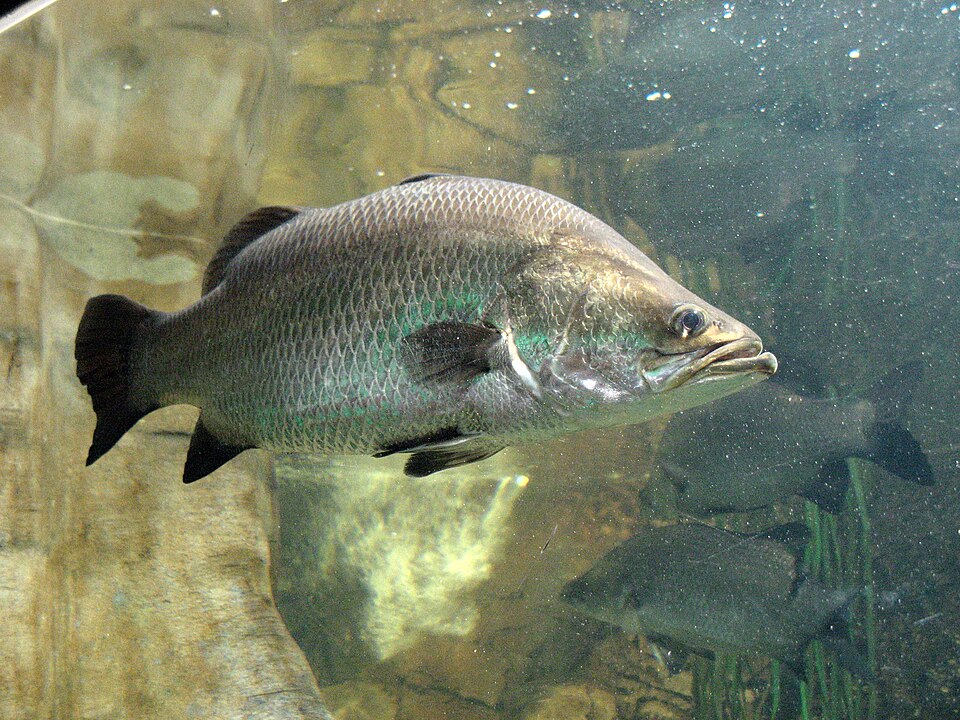
Barramundi / Asian sea bass
Barramundi, or Asian sea bass, are Lates calcarifer, a predatory food fish cultured in freshwater, brackish and marine systems.
Shellfish & other marine invertebrates
Oysters, mussels, clams, abalone and sea cucumbers. Sea cucumbers are echinoderms, not molluscs.
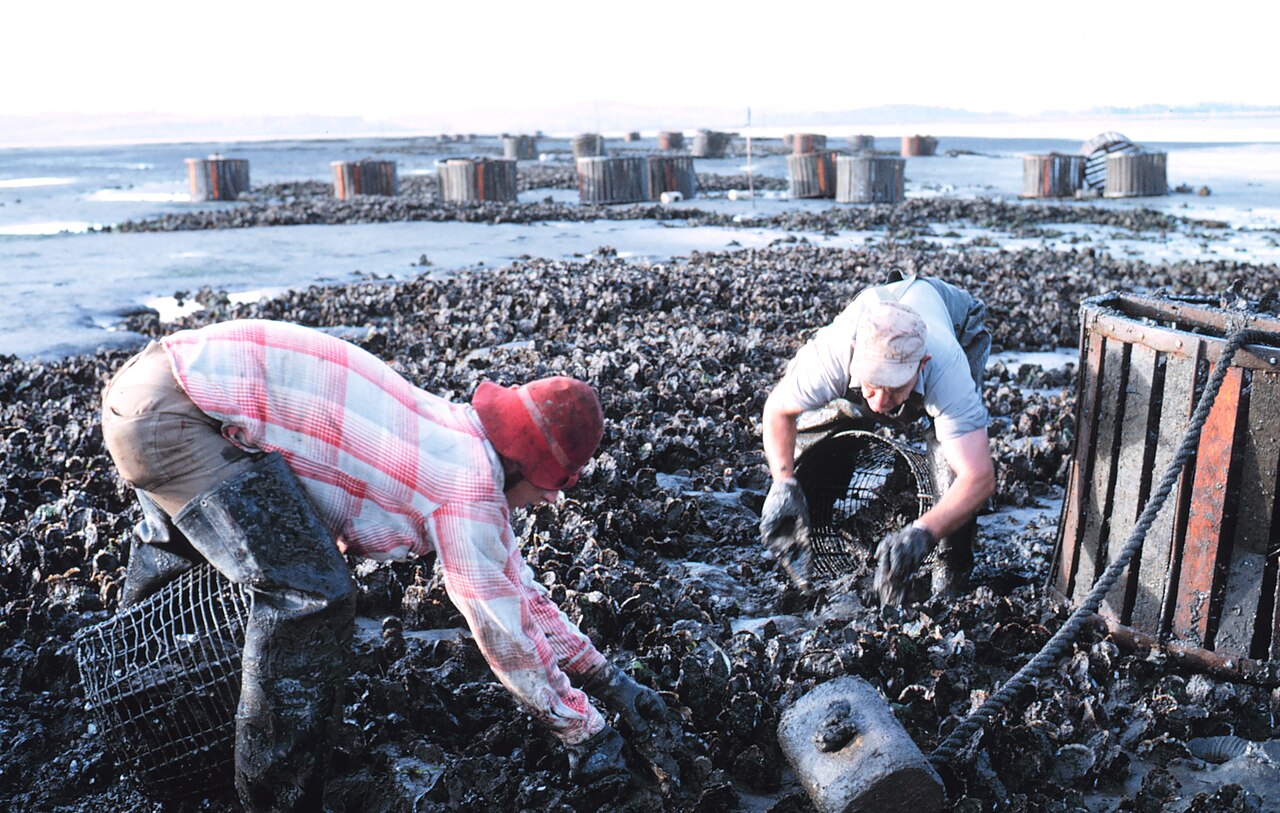
Farmed oysters
Oysters are filter-feeding bivalves whose food and growing conditions come from the surrounding water.
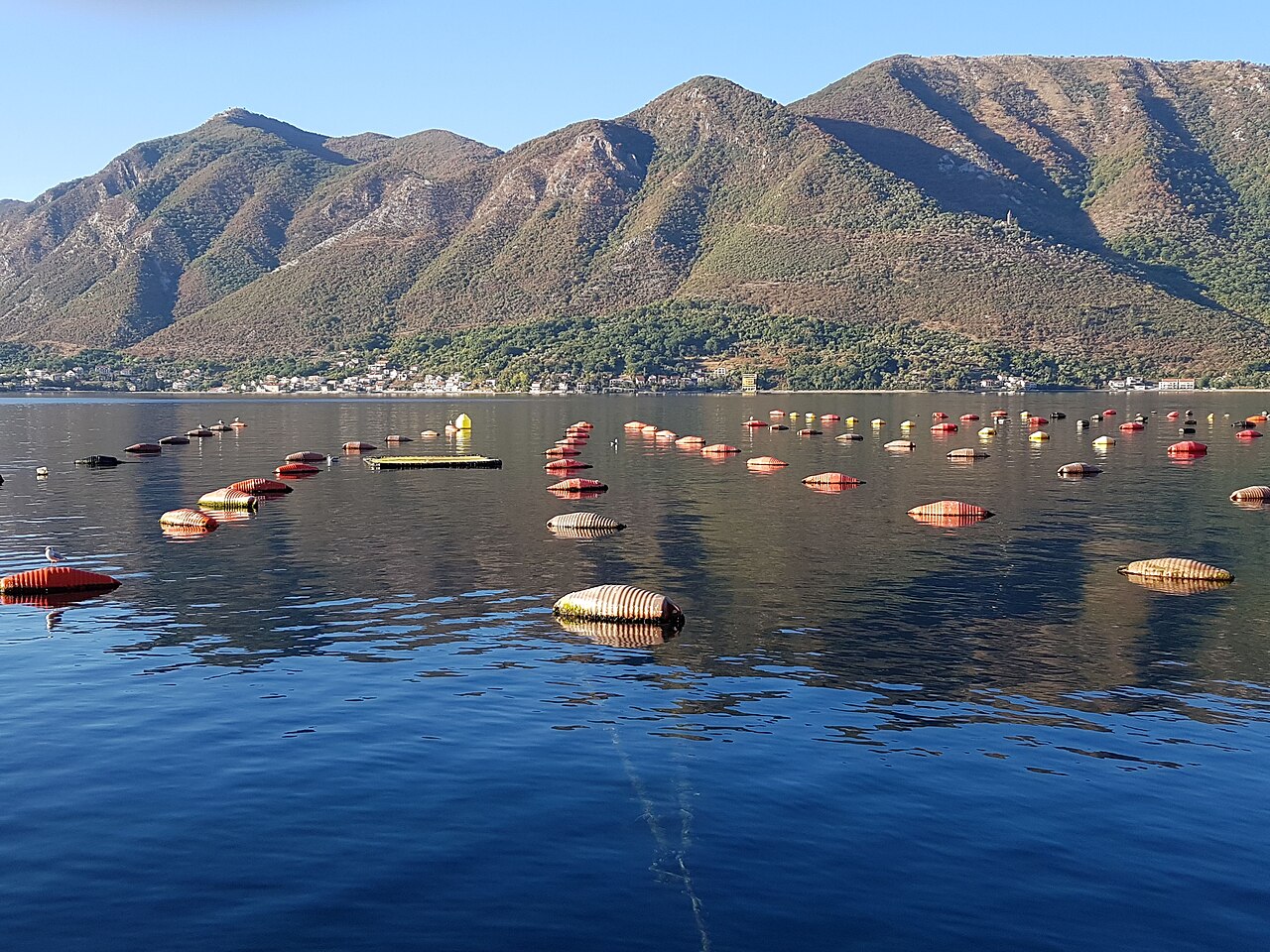
Farmed mussels
Mussels are filter-feeding bivalves farmed on suitable seabeds, ropes and other supported growing systems.
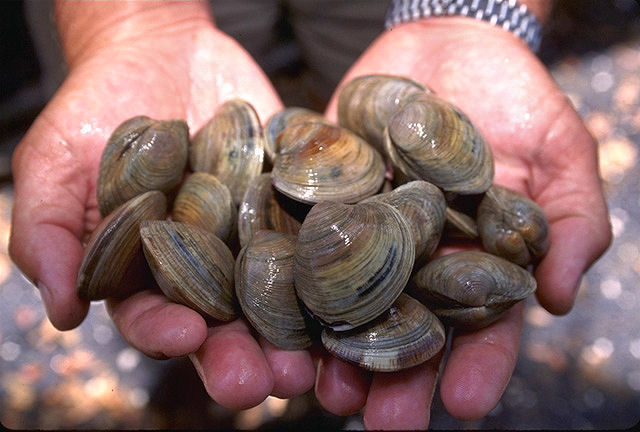
Farmed clams and cockles
Farmed clams and cockles are burrowing bivalves whose care depends on species, seed size, sediment and surrounding water.
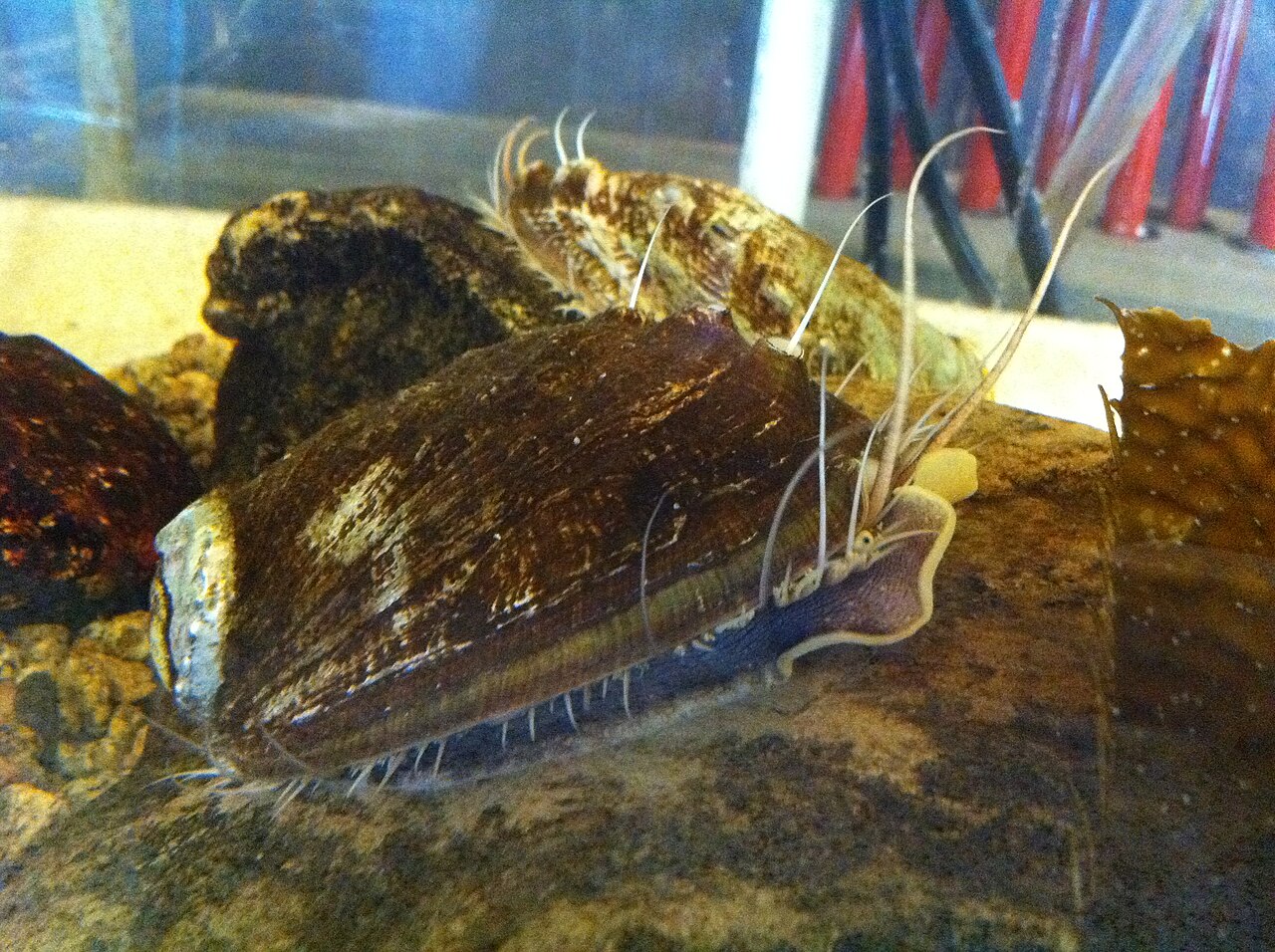
Farmed abalone
Abalone husbandry from settlement to grow-out, covering grazing foods, nursery surfaces, shelter, water movement and gentle handling that protects the foot.
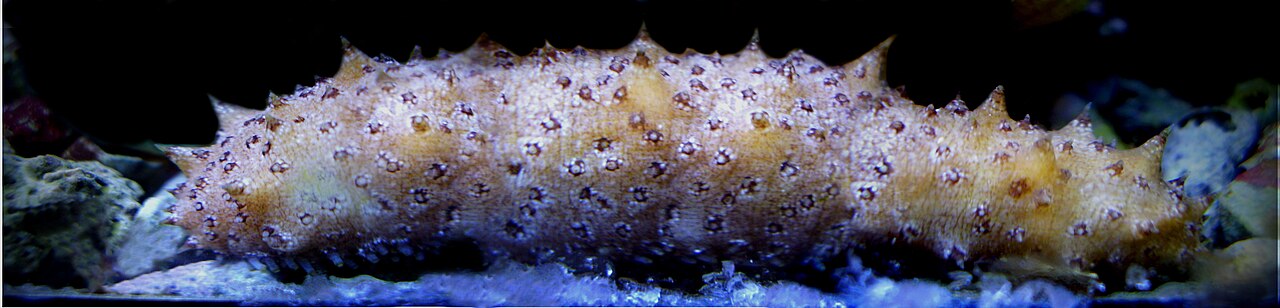
Farmed sea cucumbers
Sea cucumbers are marine echinoderms, not plants or shellfish with hinged shells.
Farmed crustaceans
Shrimp, freshwater prawns, crayfish and crabs.
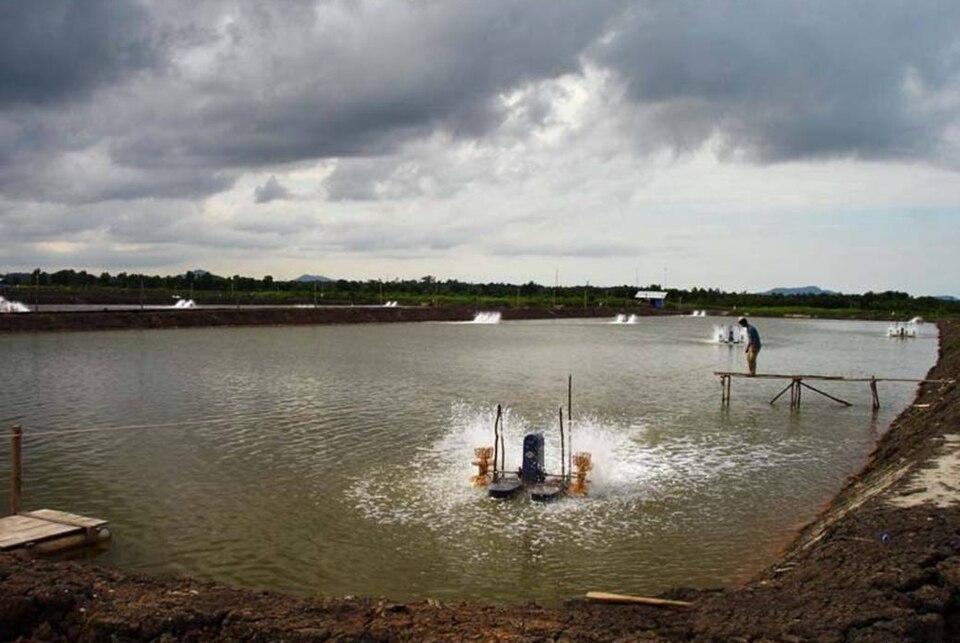
Farmed shrimp
Shrimp farming requires suitable seed, stage-appropriate feed and close management of water and pond-bottom conditions.
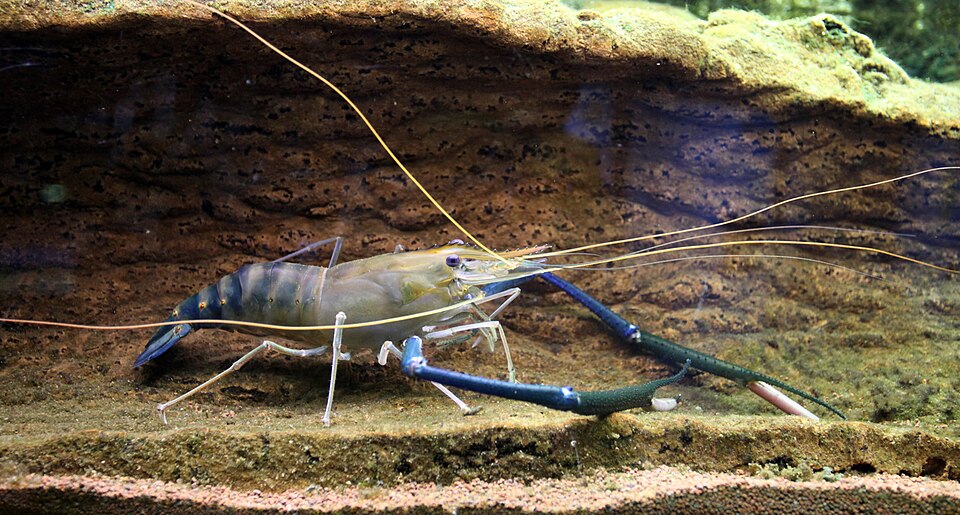
Freshwater prawns
Giant freshwater prawns, Macrobrachium rosenbergii, require brackish water during larval development and use freshwater after metamorphosis.
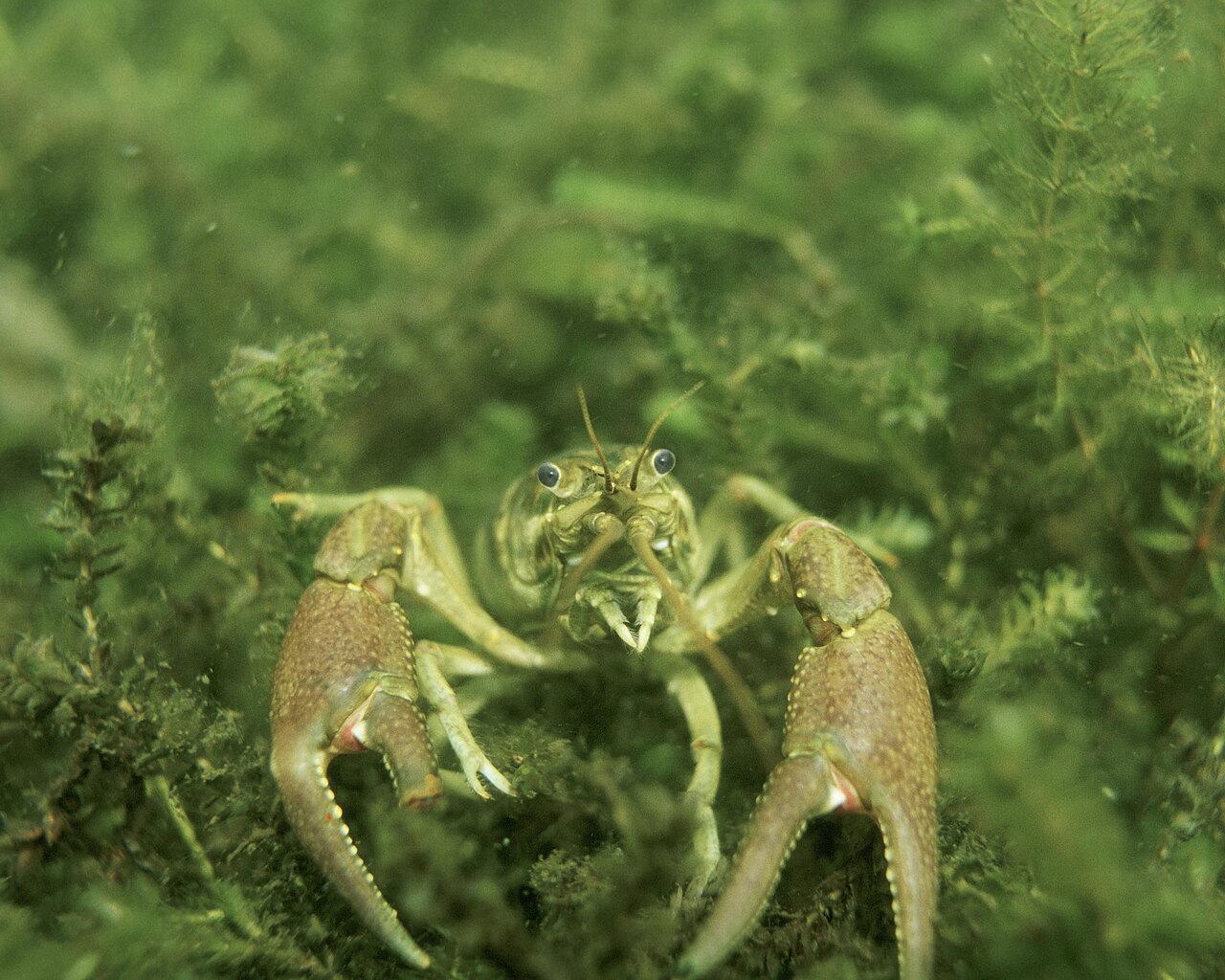
Farmed crayfish
Crayfish-farming guidance by species and climate, covering seasonal pond food webs, forage, habitat, oxygen monitoring, handling and interpretation of trap catches.
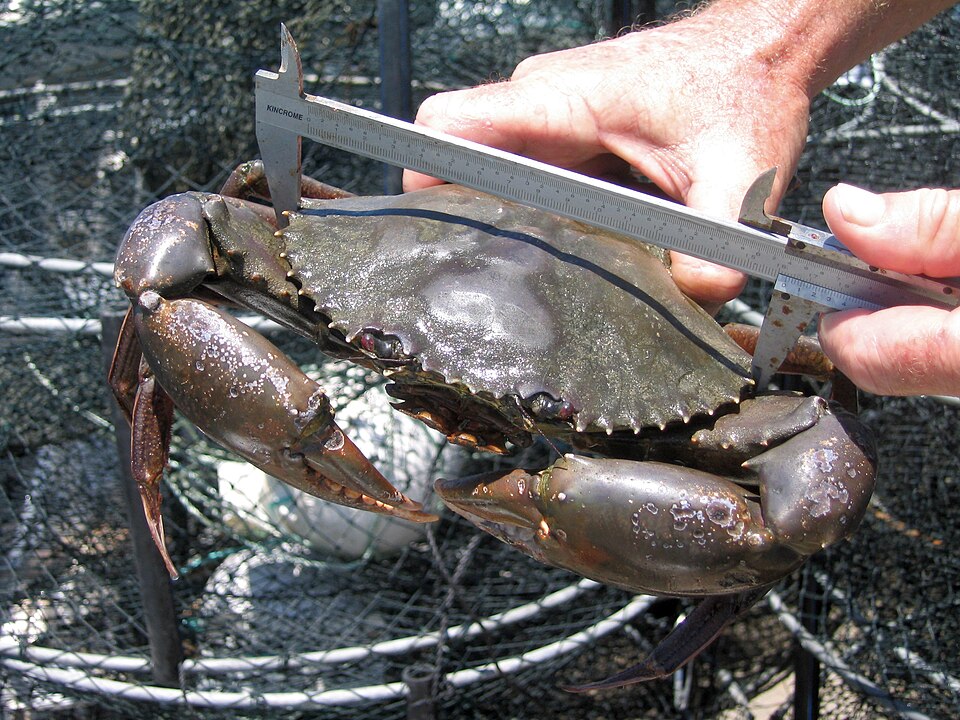
Farmed crabs
Mud crab farming includes hatchery production, nursery care, grow-out and shorter fattening systems.
Food & feed insects
Crickets, mealworms, silkworms and black soldier flies, with product destinations identified.
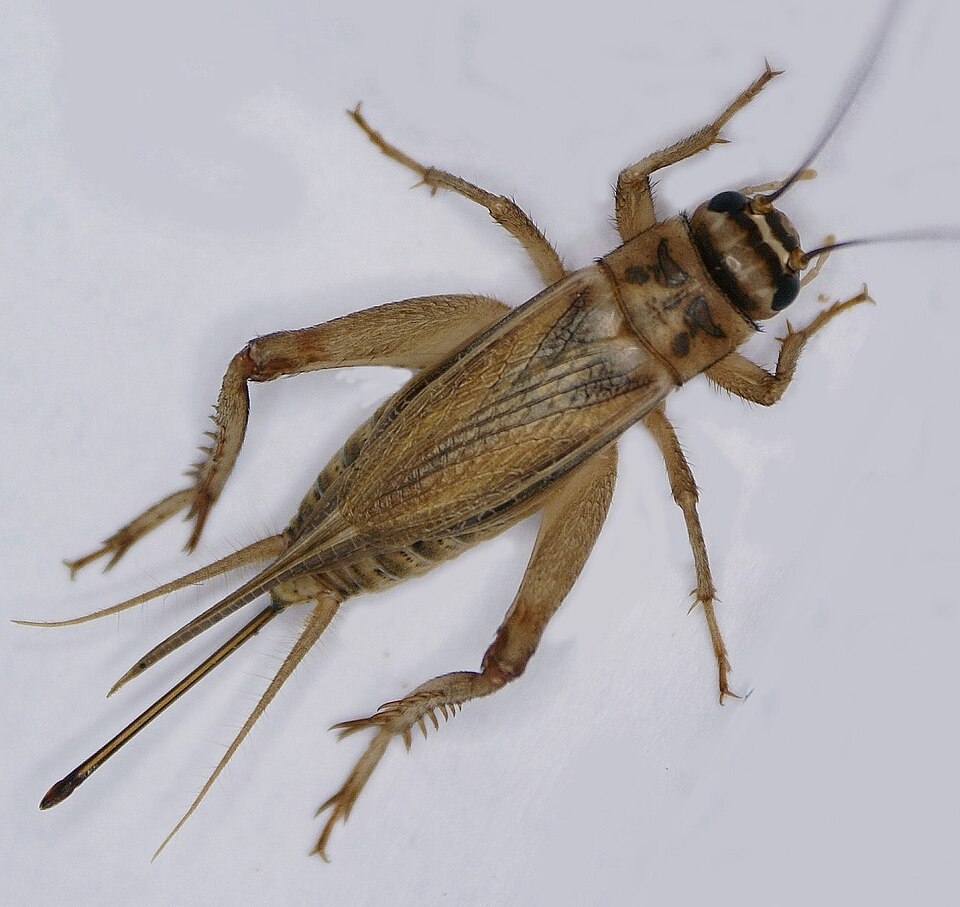
Farmed edible crickets
Farmed crickets need a verified species, clean permitted feed, safe water access, sheltering surfaces and an environment suited to each life stage.
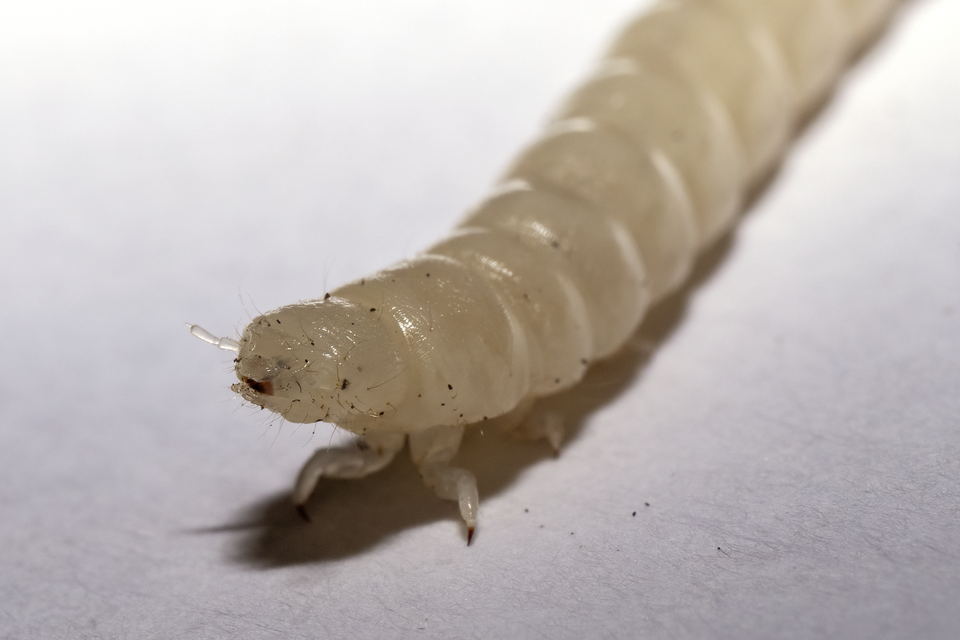
Mealworms
Mealworms are beetle larvae, commonly Tenebrio molitor, farmed for approved food or feed uses.
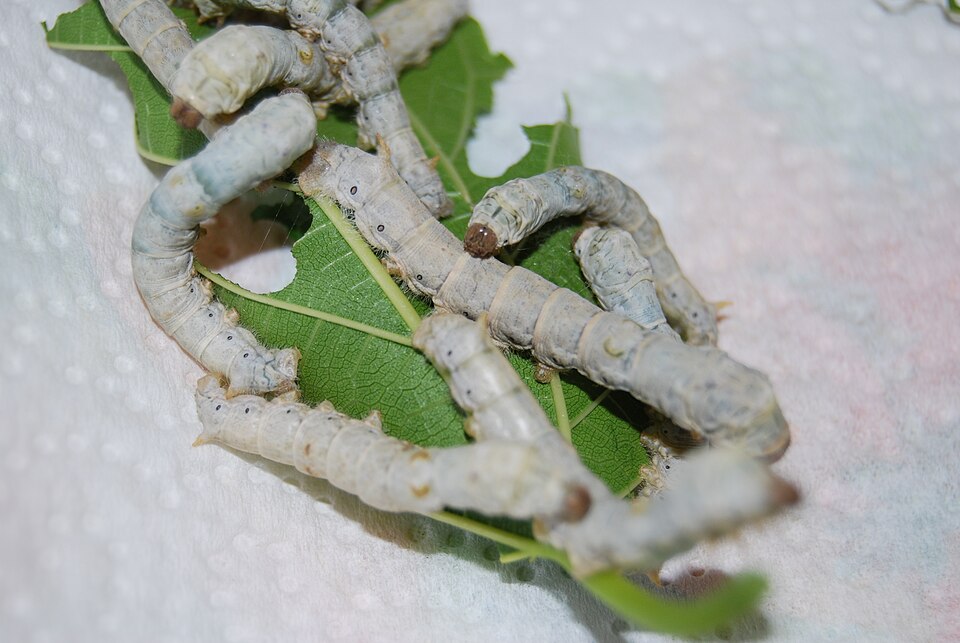
Silkworms
Mulberry silkworms, Bombyx mori, are livestock insects raised primarily for silk, with pupae used in some food or feed systems.
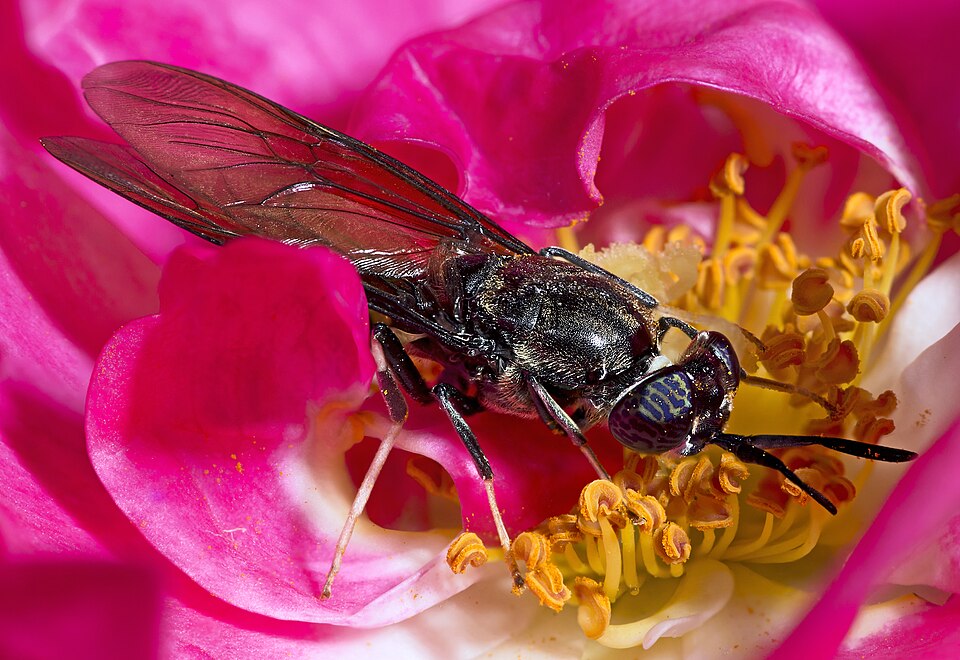
Black soldier flies
Black soldier fly production uses a complete insect life cycle to produce larvae for permitted feed or other uses.
Farmed amphibians & reptiles
Food frogs, softshell turtles and crocodilians in documented farming systems.
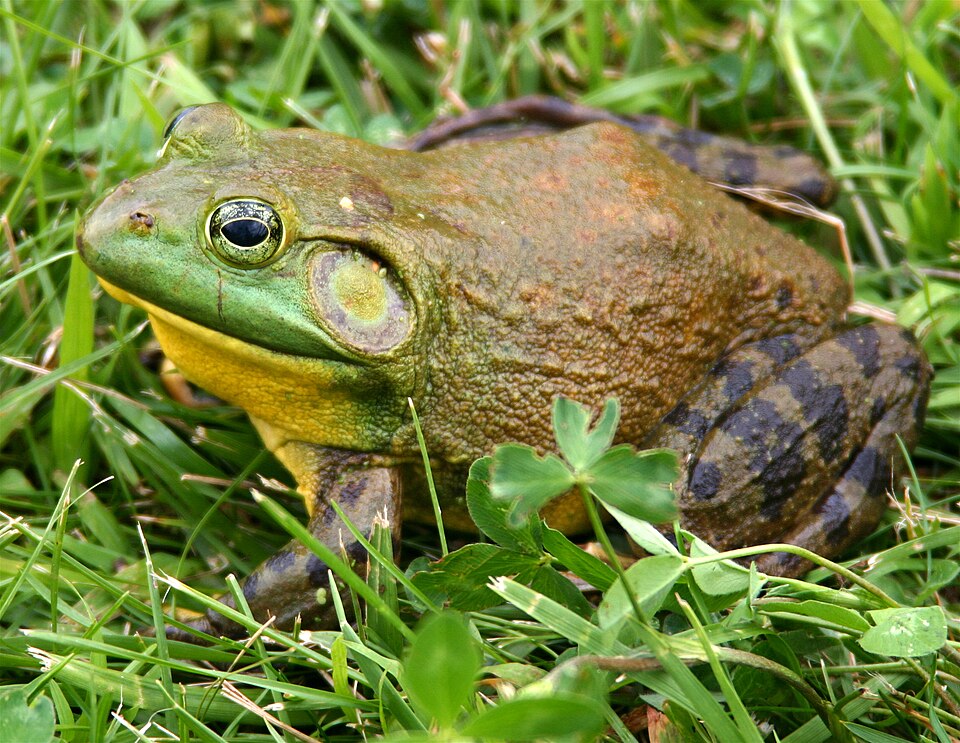
Farmed food frogs
Food-frog farming requires different care for eggs, tadpoles, newly metamorphosed froglets and larger frogs.
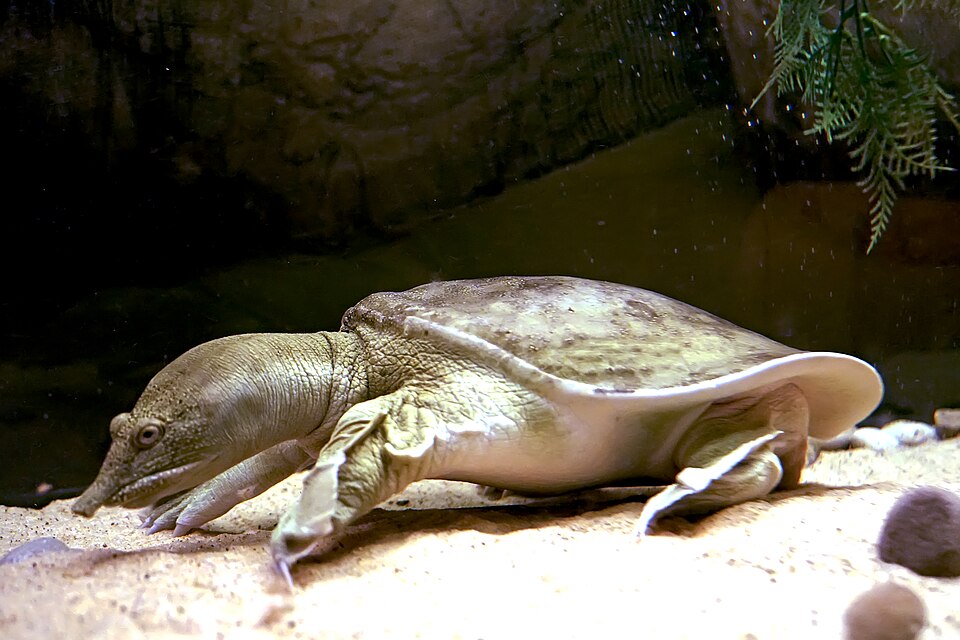
Farmed softshell turtles
Farmed softshell turtles are aquatic reptiles that need suitable water, access to air and species-appropriate feeding and land areas.
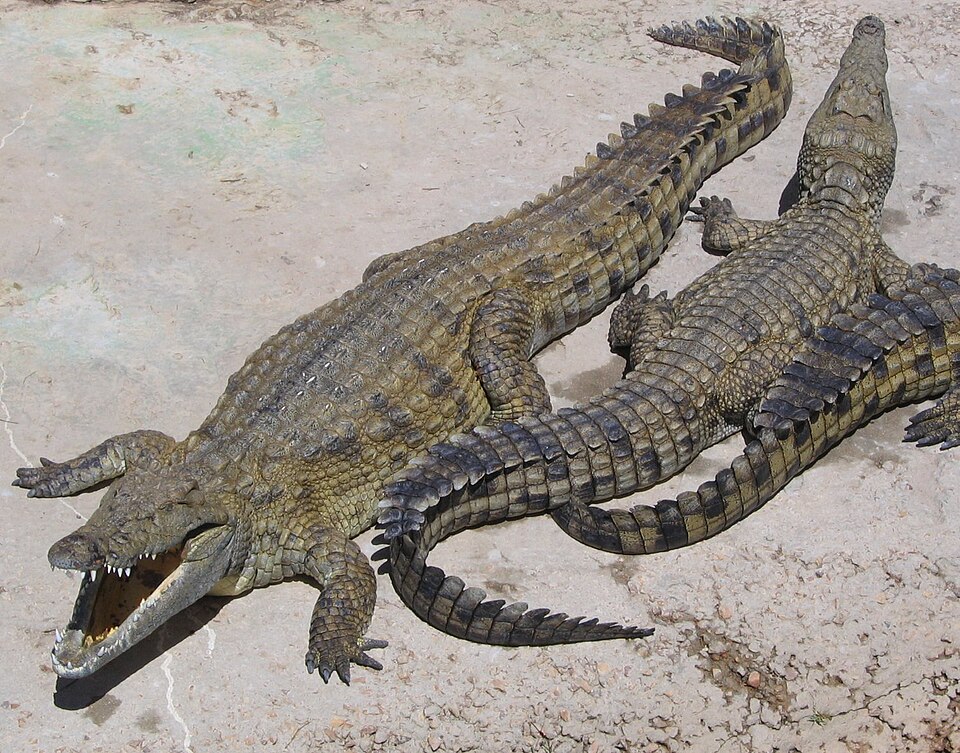
Farmed crocodilians
Crocodilian farming is a specialist livestock enterprise requiring secure facilities, trained staff, appropriate water and land areas, suitable nutrition and veterinary support.
Production systems
Dairy, beef, broiler and layer operations.
Dairy cattle
A dairy system must support healthy cows through calving, lactation, drying off and the next pregnancy.
Beef cattle
Beef production includes cow–calf, growing and finishing systems, each with different nutritional and management needs.
Broiler chickens
Broiler systems raise chickens for meat, with management changing rapidly as chicks grow.
Laying hens
Laying-hen systems support pullets through maturity and hens through egg production.