
This reference uses the specific documents linked in the article and listed below. Check their scope, publication dates and the statements they support.
Retain the host before transferring a reference
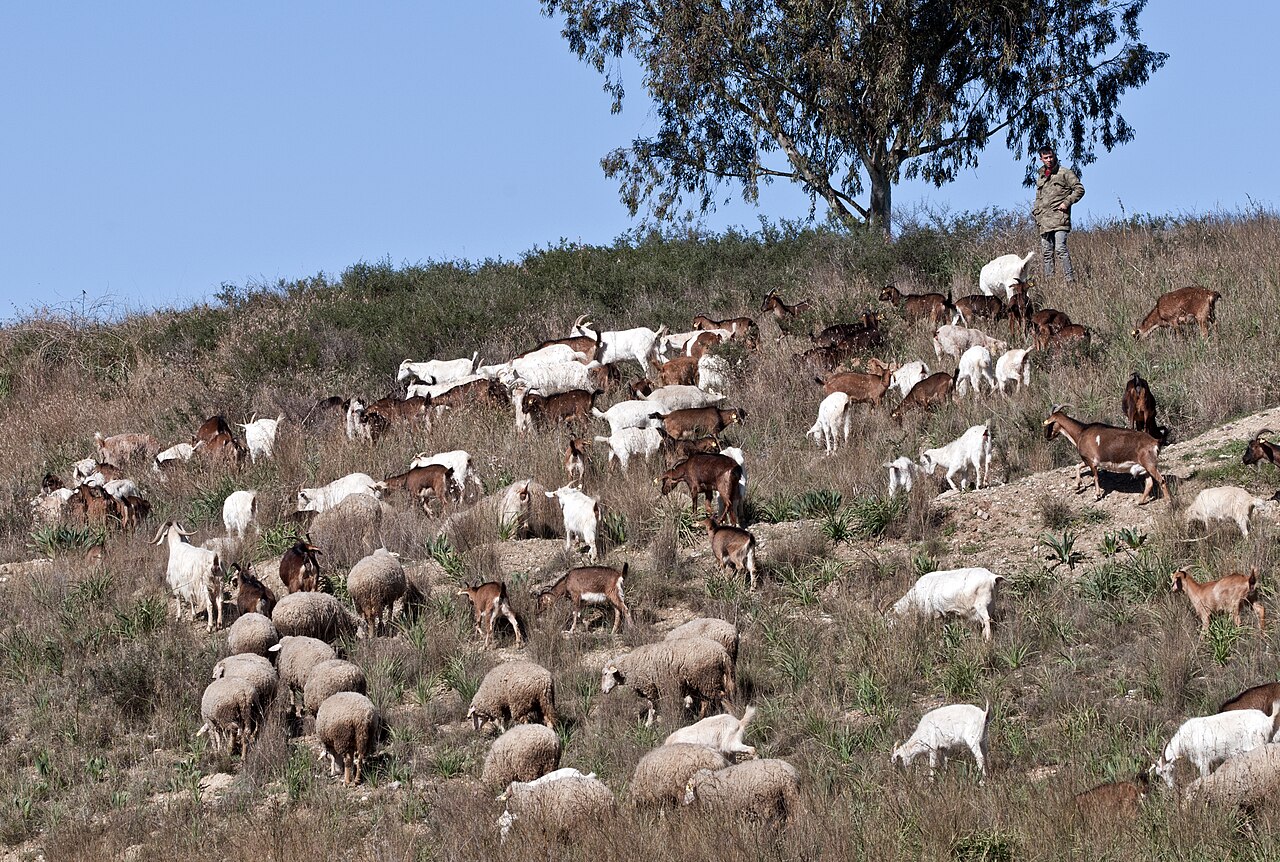
Record whether the report concerns sheep, goats or another represented host. A reference about one species can inform a question without automatically establishing every finding in another. Keep the actual animal and pregnancy-event identities linked.
Merck’s sheep-abortion reference describes Campylobacter fetus fetus and Campylobacter jejuni in ovine reproductive loss. This is a reason to preserve exact identification, not to replace a broad laboratory result with whichever named organism appears first in a reference.
Separate observation and diagnosis
Keep the caretaker’s event description, professional examination and laboratory interpretation under their actual authors and dates. An owner’s abortion-cluster label should not be treated as a confirmed common cause for every event.
Retain gestational information with its source and precision. A date range or estimate should not become an exact day merely because the reporting system expects one. The responsible team determines the appropriate classification.
| Report layer | Evidence to preserve |
|---|---|
| Host | Actual species and animal identity |
| Pregnancy | Event link and timing basis |
| Finding | Direct observation or professional description |
| Organism | Reported level and confidence |
| Interpretation | Qualified causal assessment and limits |
Keep report versions connected
Use the accession and represented material identity to link preliminary, final and amended documents. A later identification refinement should not automatically create another animal or pregnancy loss. If matching is uncertain, preserve the gap instead of joining records from similar dates alone.
Ask the laboratory or veterinarian what the wording supports. Follow actual professional and applicable authority instructions promptly.
Work through an invented subspecies
In this fictional investigation, the preliminary report names Campylobacter broadly. A database menu requires a more specific entry, so the editor chooses the organism in an article title. The exported record then presents the choice as the laboratory’s confirmed identification.
The correction restores the broad wording and its confidence. The veterinarian decides whether a more precise distinction is necessary or available. The original finding remains recorded, while the unsupported precision is removed from counts, titles and any risk statement.
Keep animal and human questions distinct
Where people have a symptom or exposure concern, seek appropriate medical or public-health advice. An animal result cannot diagnose a person. Protect private worker and farm information in public examples, and retain any actual professional instruction rather than inventing a risk category from a broad name.
A report from one event should not automatically become every loss’s diagnosis. Keep other relevant histories and findings visible so the veterinarian can interpret the actual pattern.
Correct the whole publication trail
Update answer text, tables and downloadable classifications after a report amendment. Retain the earlier editorial version and reason for change. Do not make a later diagnosis appear established at the first owner observation.
Use sheep references, goat references and pregnancy-loss event records. The useful report summary preserves host identity and the organism level actually supported, leaving unresolved interpretation with the qualified team.
Match the amended name to the same represented event
A later report may refine identification without changing which animal or material it represents. Keep the accession, dam identity and pregnancy event linked so that a more precise name updates the interpretation rather than creating another case. Where the linkage is uncertain, seek clarification rather than joining records solely because their dates are close.
In a second fictional import, a sheep report and goat report share a similar laboratory label. The software applies the sheep reference's full organism name to both. The correction restores each report's own identification and host. The shared term remains useful for searching, but it no longer hides different evidence precision.
When preparing a veterinary update, provide the original report and relevant reproductive timeline. Name which statement needs clarification, such as whether the identification supports the proposed organism field. Do not ask a database menu to settle the question by selecting its nearest available option.
Frequently asked questions
Does the guide title supply a missing species or subspecies?
A title is navigation, not a laboratory finding. Preserve the actual reported level and confidence, then ask the veterinarian or laboratory what further distinction is supported or needed.
Can one confirmed event explain all losses in the group?
Keep each represented pregnancy event and actual findings visible. A group pattern warrants professional assessment, but the individual report should not automatically be copied into every event as its established cause.
How should a corrected classification be published?
Update dependent summaries, organism fields, answer text and any counts that used the earlier label. Preserve the original source and dated correction. Explain whether the change concerns identification, interpretation or event matching so readers do not mistake a record repair for an additional pregnancy loss.
Cite this reference
LivestockDefense. “Preserve Campylobacter identification in a sheep or goat abortion report.” Updated 2026-11-03. https://livestockdefense.com/guides/campylobacter-fetus-abortion-in-small-ruminants/
Add the date you accessed the page. This identifies the current reference; keep a permitted saved copy if your work depends on its exact wording. A citation alone does not establish support for a claim.
How to cite a page and its revision ↗Sources & boundaries
Read the evidence in context.
These documents support the statements identified in this reference. Check their scope and dates when deciding whether they answer your question.
- Merck Veterinary Manual: Abortion in Sheep
Source update: 2026-09. Most recent check: 2026-10-30.
Campylobacter fetus fetus and Campylobacter jejuni are described in ovine reproductive loss; the identification level and host context must be preserved. No specimen handling, culture or treatment procedure supplied.