
Define the change being reviewed
Keep actual weights with dates, units and method where they exist. A visual condition assessment should retain its assessor and framework rather than be converted into a measured weight. An old group average cannot establish this ewe’s individual baseline.
Record identity and age information with its actual source. If age is estimated, preserve that precision. A local nickname or replacement tag should not detach the ewe from earlier findings and care records.
Describe feeding observations without testing the ewe
Record what the ewe was seen doing, where and for how long. Presence near a feeder is different evidence from observed eating, and neither automatically quantifies intake. Keep access, competition or unusual behavior as specific observations rather than fixed labels.
Do not force a feeding demonstration or undertake an unfamiliar mouth examination for the record. The veterinarian determines the appropriate assessment. This article supplies no dental procedure, parasite-treatment rule, ration formula or supplemental feeding regimen.
| Review layer | Evidence to preserve |
|---|---|
| Ewe | Stable identity and age basis |
| Change | Actual measurement or assessment framework |
| Feeding | Direct observation and access history |
| Mouth finding | Professional assessment and certainty |
| Other evidence | Reports, prior care and clinical interpretation |
Preserve the actual feed and pasture history
Keep product, forage and grazing intervals as verified. A pasture schedule is an intention unless the ewe’s actual movement is recorded. Temporary holding or changed feeder access can alter the history while the group name stays the same.
Retain qualified forage or ration assessments with their material scope. One report should not be assigned to every later feed lot. Ask the veterinarian and feed adviser which information matters to this individual rather than choosing one cause from the farm’s most familiar problem.
Keep parasite evidence within its scope
Preserve actual test results with animal or pool identity, method, units and date. A group result is not an individual measurement for every ewe. A completed treatment record is evidence of an action, not proof of either parasite causation or successful resolution of the current concern.
In this fictional flock, an older ewe is described as a recurrent parasite case because the medicine log contains previous entries. The current record has no compatible individual weight baseline and no professional mouth assessment. The veterinarian receives those gaps rather than an inherited diagnosis.
Follow the individual after changes
Record actual advice and completed care, with the receiving person after a move. Keep feeding, dental and clinical findings separate so a later improvement after several actions is not credited automatically to one explanation.
Retain comparable follow-up under the professional plan. A better group average after the ewe leaves the pen does not establish her recovery. Update summaries when identities or measurements are corrected while preserving the original uncertainty.
Use sheep references, fecal-count interpretation and growth-comparison principles. A useful weight-loss account includes the actual feeding and professional dental evidence without making age, a treatment history or one familiar label the diagnosis.
Keep available pasture separate from the individual diet
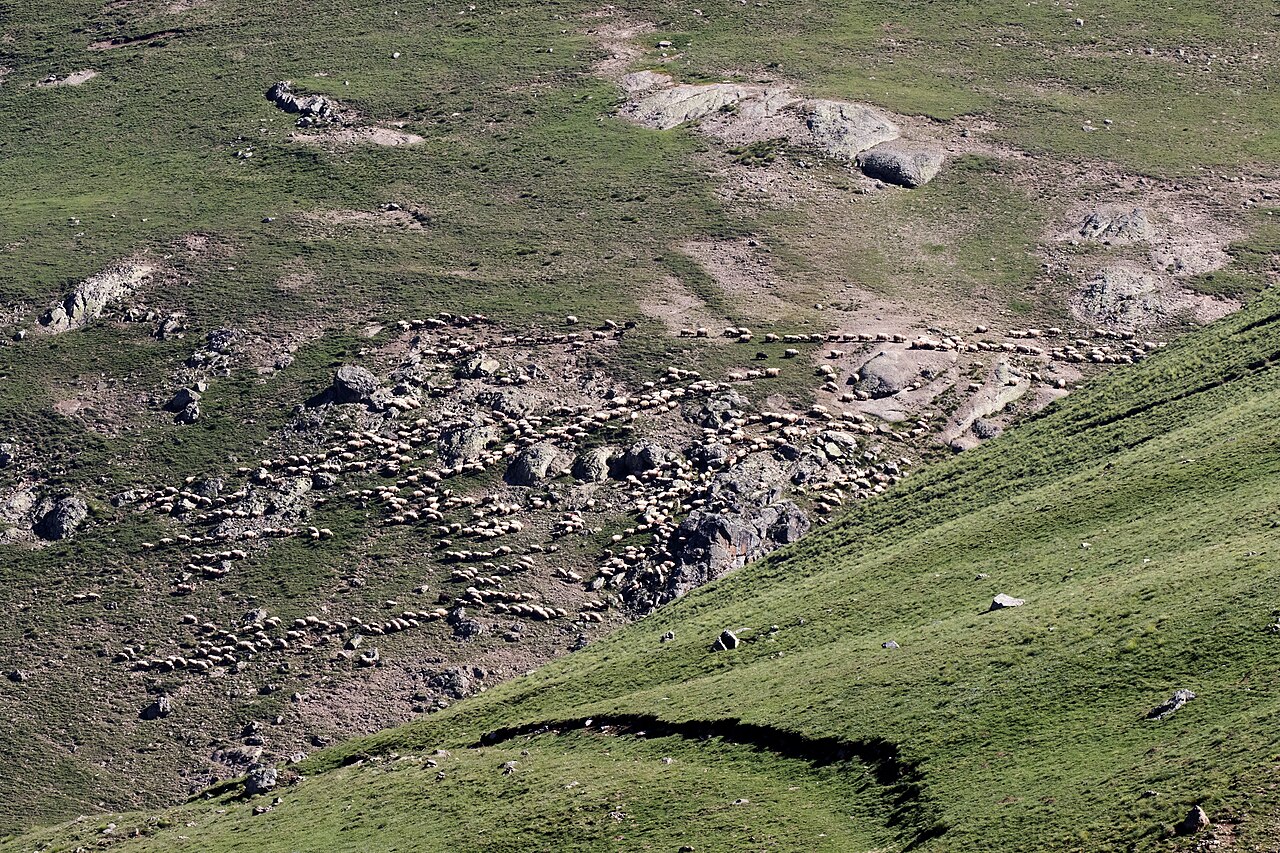
Record the actual sheep group, occupancy interval and accessible areas, including temporary holding or changed routes. A pasture name or photograph should not become a measured individual intake. Retain forage reports at the material and date they actually represent.
Compare the individual sheep’s real weights or trained condition observations with their methods and dates. If group membership changed, keep entrants and departures visible. The older-ewe dental example above is one clinical context; another age group needs its own supported history and professional interpretation rather than an inherited cause.
Prepare a one-ewe summary before a flock conclusion
Start with the individual change and its evidence. List the actual weight or condition observations in date order, then the feeding and movement history, existing reports and professional findings. This keeps a familiar flock problem from replacing the assessment of the ewe in front of the team.
An absent dental assessment is a missing information layer, not evidence that the teeth are normal or abnormal. The same applies to unavailable individual parasite results. State these limits plainly so the veterinarian can decide which questions require attention rather than inheriting a completed diagnosis from the worksheet.
Common questions
Can age settle the explanation?
Retain age and its source as context. It cannot substitute for the actual feeding observations, professional mouth findings or other clinical evidence.
What if several management changes occurred together?
Record each change with its real implementation date and the later individual observations. A response after several actions does not isolate which action mattered. The practical account can show improvement while leaving the causal explanation appropriately qualified.
Cite this reference
LivestockDefense. “Sheep losing condition: review feeding, teeth and parasite evidence.” Updated 2026-11-03. https://livestockdefense.com/guides/evaluating-sheep-dental-wear-before-attributing-weight-loss-to-parasites/
Add the date you accessed the page. This identifies the current reference; keep a permitted saved copy if your work depends on its exact wording. A citation alone does not establish support for a claim.
How to cite a page and its revision ↗