
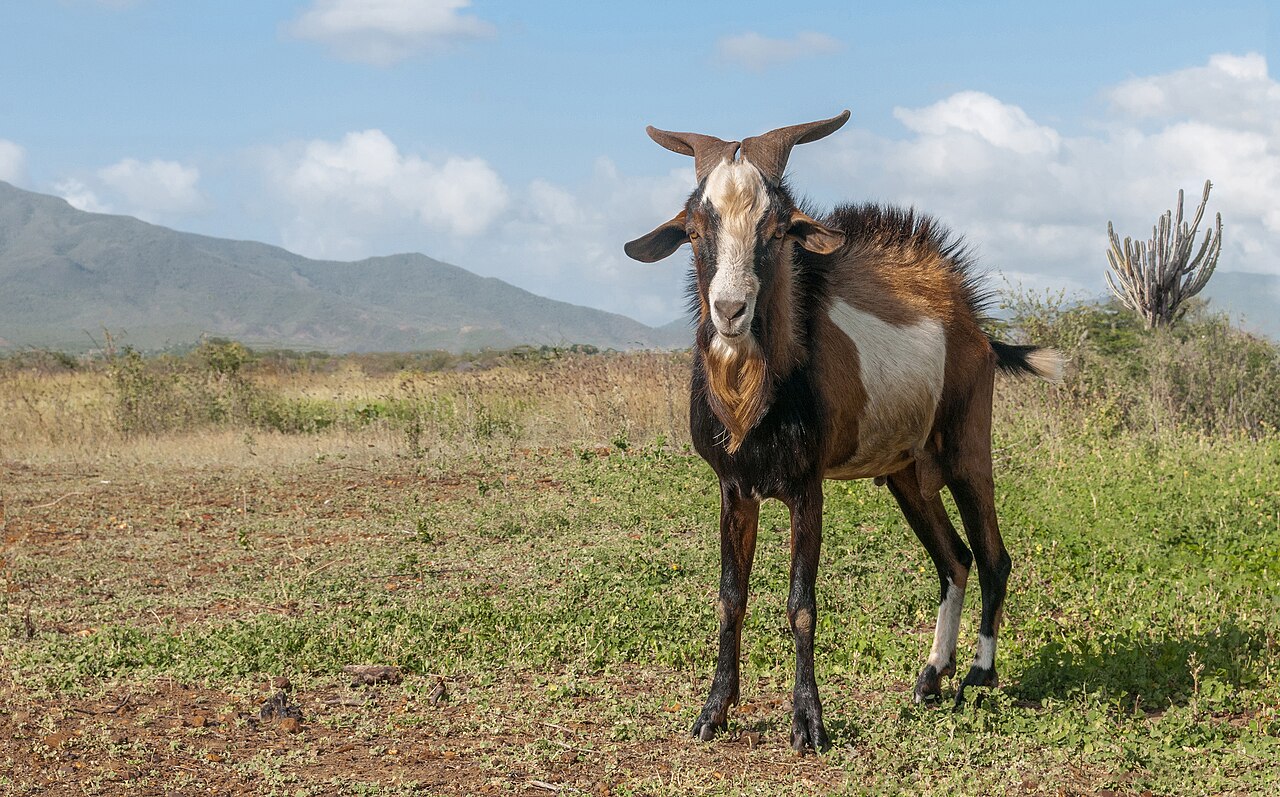
State the actual animal concern
Record the goat or represented group, date and observation in plain language. Keep an owner’s interpretation separate from a professional finding. A broad phrase such as copper problem should not erase the original description the veterinarian needs.
Preserve the earlier baseline and observation method. A photograph from one season and a trained assessment from another may not support a precise continuous trend. If timing is uncertain, retain that uncertainty rather than assigning the concern to the latest supplement purchase.
Inventory the real products
Keep mineral mixes, blocks, fortified feeds and relevant supplements under their actual identities, lots and use intervals. A familiar brand name may not establish the exact product. A product bought but not used should not be counted as confirmed receipt.
Record substitutions and mixed or uncertain changeovers. The current label should not be copied backward to every earlier feeding interval. Ask the responsible supplier or adviser for clarification where identity is unresolved.
| Assessment layer | Evidence to preserve |
|---|---|
| Goats | Actual identities and group history |
| Concern | Direct observation and date |
| Products | Complete labels and real use |
| Diet | Relevant forage, water and other records |
| Interpretation | Qualified findings and limitations |
Keep concentration and intake separate
A concentration on a label describes the product in the stated units. Actual consumption is another quantity. Do not distribute group disappearance equally among goats and present it as measured individual intake without supporting evidence.
The nutrition adviser determines how the complete diet and relevant interactions should be assessed. Do not add a corrective product simply because an online list resembles the owner’s observations.
Work through an omitted product
In this fictional herd, the worksheet lists one mineral mix and proposes an additional supplement. A second fortified feed is in actual use but absent from the inventory, and individual consumption is unknown. The initial calculation appears precise because it includes several decimal places.
The correction restores the missing product and identifies the intake uncertainty. It does not establish that copper is adequate, deficient or excessive. It gives the professionals the actual product history before a decision is made from an incomplete total.
Read analytical reports within their material
Preserve the represented animal or feed, method, date and laboratory qualifications. A result should not silently become every goat’s status or every lot’s composition. Ask the veterinarian or laboratory what the actual report supports.
Keep plant or soil information in its own evidence layer. A regional map does not establish an individual goat’s consumption, and a photographed plant should not become a confirmed dietary contributor without the appropriate link.
Follow the qualified decision
Record actual instructions, applicable group and implementation date. Keep planned and completed care distinct, especially when several caretakers are involved. A purchased supplement is not proof of administration or suitability for every animal.
Use goat references, mineral-label arithmetic and shared mineral access. The cattle example concerns record structure; goat nutrition and clinical decisions require their own applicable professional assessment.
Make the inventory useful to the feeding adviser
Give each product its own line with the complete label, the group offered it and the documented use interval. Include products that overlap rather than replacing the earlier line when a new bag arrives. A stock purchase belongs in the purchasing history; the feeding history needs the evidence of actual use.
Keep units exactly as printed until the adviser has the information needed to interpret them. A percentage and a value expressed per kilogram cannot be compared by looking only at their numerical size. This guide does not provide a dietary copper calculation or a supplement amount. Its purpose is to prevent an incomplete or mismatched input list from looking like a precise assessment.
Explain what an estimate represents
If the farm records group disappearance of a product, retain the period, group membership and known limitations. It is an estimate of material use under those conditions, not a measured allocation to each goat. Spillage, residual stock or uncertain refills should remain documented uncertainties where present rather than being converted into consumption.
A fictional worksheet may be arithmetically correct while including only one of two products. More decimal places do not repair the missing input. Correct the inventory first, preserve the earlier version as superseded and let the qualified advisers determine what assessment is appropriate.
Common questions
Does a regional deficiency description diagnose these goats?
It supplies regional context within its stated scope. The animal and complete diet still need their own applicable assessment.
Can the current product label describe last year’s feeding?
Use the earlier label or supplier-confirmed formulation when available. If the historical identity cannot be resolved, keep that uncertainty rather than assigning today’s formulation to the older interval.
Cite this reference
LivestockDefense. “Goat copper concerns: review the complete diet before supplementing.” Updated 2026-11-03. https://livestockdefense.com/guides/goat-copper-assessment-without-over-supplementing/
Add the date you accessed the page. This identifies the current reference; keep a permitted saved copy if your work depends on its exact wording. A citation alone does not establish support for a claim.
How to cite a page and its revision ↗