
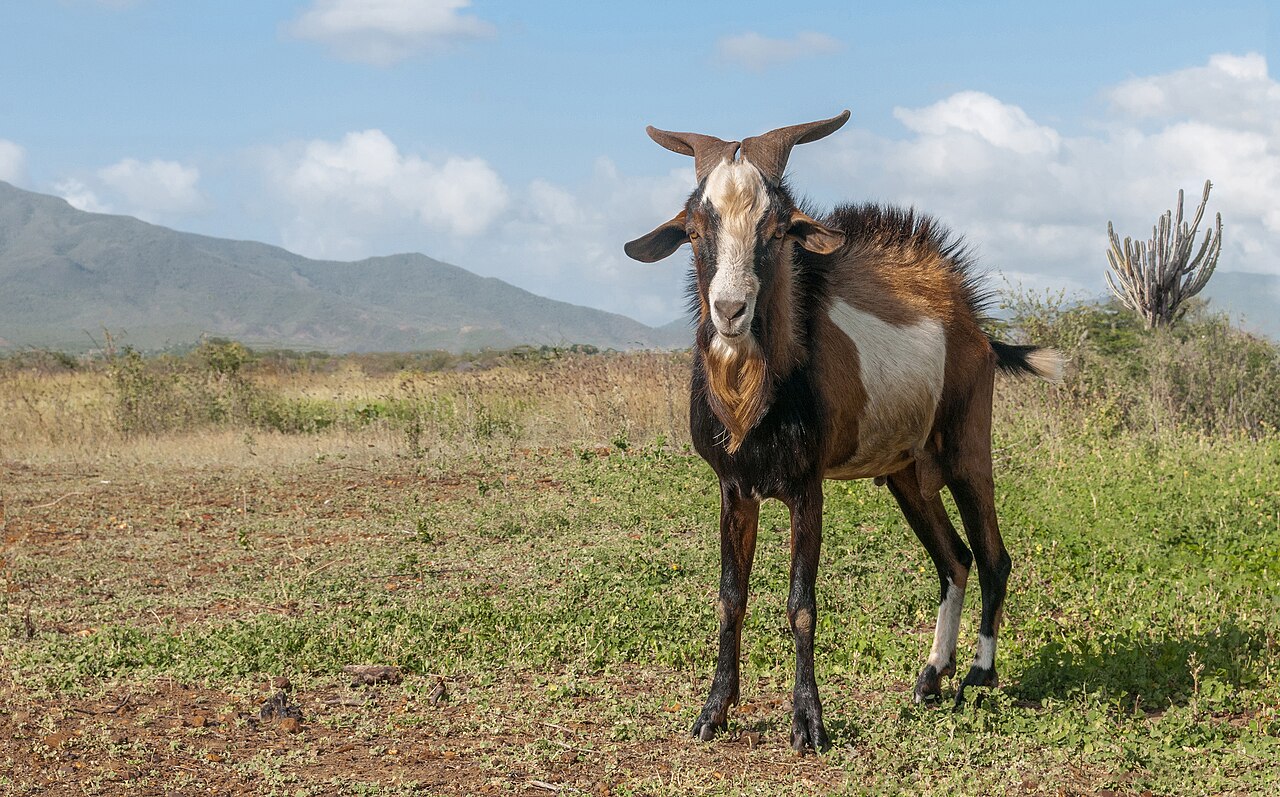
Start with two honest descriptions
Identify the adult goat and the kid groups actually observed. Preserve age information with its source and uncertainty. A pen name such as young stock may cover more than one age range after movements or regrouping.
Describe the observed concern in plain language and retain when it was noticed. Do not assign the same onset to every animal because the first group-level note was entered on one date. An unobserved interval remains unknown.
Define what the counts represent
Separate individual animals, repeated observations and pens with a concern. One adult observed several times is still one identified animal. A kid-group total without individual tracking should not automatically become a cumulative unique-case count.
Record how many animals were assessed and the group population at that time. A routine view and a professional examination have different coverage. Not assessed should remain distinct from no finding observed.
| Comparison field | Adult group | Kid group |
|---|---|---|
| Identity | Actual goat or represented adults | Actual kids and age range |
| Count | Unit explicitly stated | Same unit or difference disclosed |
| Coverage | Observation interval and method | Observation interval and method |
| History | Relevant actual events | Relevant actual events |
| Findings | Attributed professional assessment | Attributed professional assessment |
Keep each group’s history available
Retain actual feeding, movements, water and prior professional assessments for the represented animals. Do not copy an adult’s known history into the kids’ missing fields. A shared building does not establish identical product receipt or contact history.
Ask the veterinarian which differences matter in this herd. This guide provides no dehydration score, parasite diagnosis, specimen collection or treatment procedure. Animal care should proceed while the records are reconciled.
Work through unequal observation coverage
In this fictional herd, one adult is individually followed across three visits. Six kids are noted at one visit, but the group’s earlier coverage is incomplete. The draft report compares three adult cases with six kid cases.
The correction identifies one adult with three observations and six kids represented by the later group note. It preserves the missing earlier kid coverage. The new summary neither minimizes the kid concern nor proves the adult problem is unrelated; it supplies usable units for the veterinarian.
Keep report interpretation within its animals
Link examinations and laboratory results to the goats or material they represent. A result from an adult should not automatically become the explanation for all kids, and the reverse is equally unsupported. Preserve the professional’s actual conclusion and qualifications.
If a diagnosis or classification changes, update dependent tables without manufacturing another affected animal. Retain the earlier report and its relationship to the amendment.
Follow the same groups through the response
Record actual advised actions, movements and changes in assessment coverage. A lower count after affected kids leave a pen is not automatically improvement in the original population. Keep losses, transfers and clinical findings in their own fields.
Use goat references, case-definition guidance and repeated-observation counting. The chicken example illustrates arithmetic; goat diagnosis and care require their own appropriate veterinary plan.
Build a comparison table that shows its limits
Use the same headings for the adult and kid histories, but do not fill one group’s missing fields from the other. List the represented animals, observed interval, actual findings and professional reports. A blank accompanied by “not established” can communicate more honestly than a copied feed or onset history.
A fictional count of six observed kids needs the size and composition of the group at that round. If individual identities were not tracked across later rounds, say so before describing a cumulative total. Six observations today and four tomorrow do not necessarily mean ten different kids.
Keep the response linked to each assessment group
The veterinarian may supply instructions with an individual or group scope. Preserve that scope and the actual implementation rather than applying every instruction to the whole herd by default. Record transfers and who receives responsibility for an animal that leaves its original pen.
If a later result changes the working explanation, update the relevant group summary and retain the original observations. A revised interpretation for the adult does not automatically revise every kid’s clinical record. Conversely, a group-level conclusion should retain the veterinarian’s actual basis rather than being reconstructed from one animal’s result.
Common questions
Is the larger group count necessarily the more widespread problem?
The count needs its represented population, period and assessment coverage. Keep the current welfare concern clear while avoiding a comparison of unlike units.
What if onset is unknown for most kids?
Record first recognition and the earlier observation gap. Do not assign the adult’s onset or the first pen note’s date to every kid merely to complete a chart.
Cite this reference
LivestockDefense. “Goat diarrhea in an adult and many kids: compare the right groups.” Updated 2026-11-03. https://livestockdefense.com/guides/goat-diarrhea-in-one-adult-versus-many-kids/
Add the date you accessed the page. This identifies the current reference; keep a permitted saved copy if your work depends on its exact wording. A citation alone does not establish support for a claim.
How to cite a page and its revision ↗