
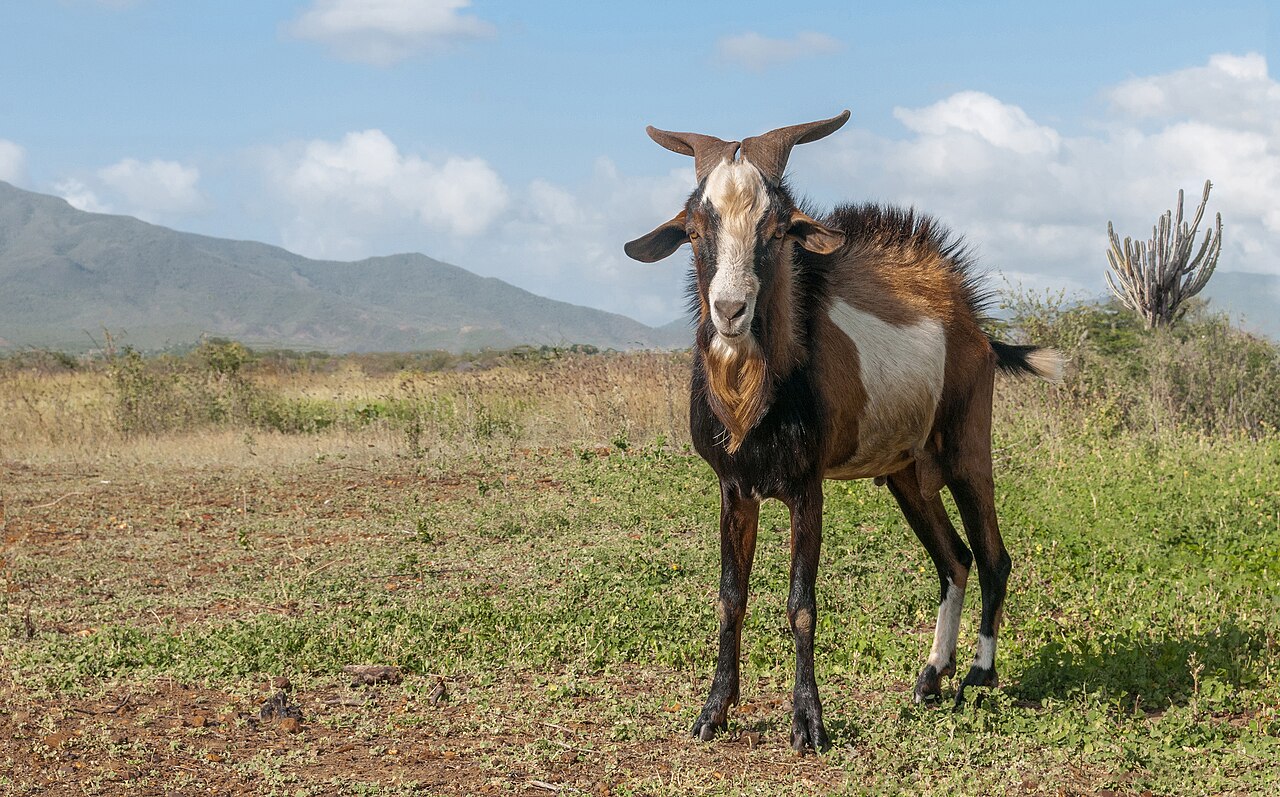
Describe the ear finding in plain language
Record the goat identity, ear and visible location, date and observer. Keep the extent and appearance as actually seen rather than using an organism name as shorthand. A distant group photograph may not support the same detail as a professional examination.
Retain original images and their context without adding handling merely to obtain a close view. Keep any edited crop linked to the original so the reviewer can understand orientation and coverage. Mark an unclear view as limited rather than normal.
Reconstruct the housing group
Keep actual pen membership, introductions and moves during the relevant period. A finding first noticed after housing may have an earlier uncertain onset. Preserve earlier observations and the limits of what was assessed outdoors.
Record shared equipment and work events where the veterinarian requests them. A common item is a contact-history detail, not proof of transmission. Do not label all goats that shared a pen affected without the appropriate individual or group assessment.
| History layer | Detail to retain |
|---|---|
| Goat | Stable identity and relevant earlier concerns |
| Ear finding | Site, time and observation basis |
| Housing | Actual membership and movement intervals |
| Identification | Assessor, method and certainty supplied |
| Care | Veterinary plan and completed follow-up |
Keep suspicion and identification distinct
If a worker suspects a parasite or fungal condition, preserve that as an attributed suspicion. Attach any later professional identification or laboratory report in its own form. Do not turn an image resemblance or a treatment purchase into diagnostic confirmation.
This guide supplies no scraping, swabbing, organism handling or treatment procedure. The veterinarian determines the appropriate assessment and care for the actual animals. Avoid applying products chosen for another species or another goat’s diagnosis without the required professional and label basis.
Work through an apparent housing cluster
In this fictional example, three goats with scaly ears are noticed during a winter check. One has a dated earlier photograph, while two lack prior close observations. A summary initially calls all three newly affected since housing.
The revised account preserves the known earlier finding and the uncertain onset of the others. It does not establish whether they share one cause. The veterinarian receives the actual site descriptions and group histories rather than a falsely precise common exposure period.
Make follow-up views comparable
Agree which animals and sites will be reassessed under the professional plan. Keep the assessor and method changes visible. A later closer inspection may reveal findings absent from an earlier distant view without showing that the condition suddenly spread.
Record actual care actions and any group moves. A lower affected count in a pen after goats leave cannot demonstrate recovery unless those animals are followed. Keep the clinician’s interpretation separate from the observer’s initial label.
Read goat references and the biosecurity center for related contact histories. A useful ear-lesion account is precise about animal, site and observation while leaving organism identity and treatment decisions with the appropriate assessment.
Make the site link survive an image exchange
Keep goat identity, ear, visible site and capture date together when an image is forwarded. A filename alone may be changed or lost between systems. Link the original image record to any crop and to the attributed review, preserving what the reviewer actually saw.
A fictional image collection may contain both ears from one goat and one unclear view from another. Three files are not necessarily three goats or three newly affected sites. Resolve identity and orientation where reliable evidence exists, and mark unresolved views rather than assigning them to the nearest plausible animal.
Keep the housing story chronological
List actual introductions and pen changes beside the first noticed findings. A dated earlier photograph can establish that a visible concern was present then, within the image’s limits. For other goats, a lack of prior close views remains an onset gap. Do not give every animal the same start date from a winter inspection heading.
If an inspection method becomes more detailed, record that change alongside the new findings. The additional detail is useful, but a closer view can reveal something previously unseen without establishing when it began. This keeps the veterinarian’s group assessment from inheriting a falsely precise spread narrative.
Common questions
Can a suspected organism name remain in the notes?
Yes, attributed as a suspicion with its basis. The current summary should distinguish it from a later professional identification or laboratory finding.
Does shared equipment prove transmission?
It describes a possible contact-history layer where actual use is known. Keep the item, group and time relevant to the professional review without converting shared use into a confirmed route or organism diagnosis.
Cite this reference
LivestockDefense. “Scaly goat ears in winter housing: document findings before labels.” Updated 2026-11-03. https://livestockdefense.com/guides/goat-scaly-ear-lesions-during-winter-housing/
Add the date you accessed the page. This identifies the current reference; keep a permitted saved copy if your work depends on its exact wording. A citation alone does not establish support for a claim.
How to cite a page and its revision ↗