
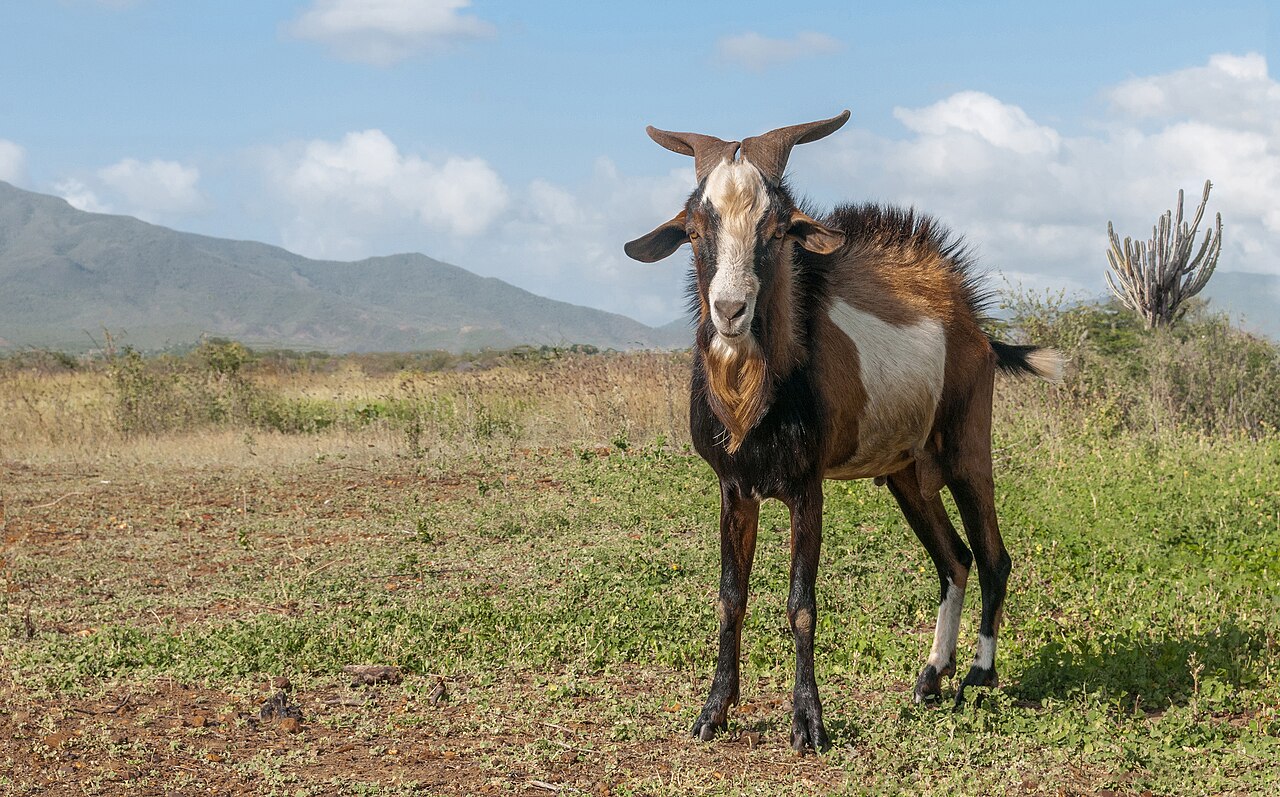
Map shade at the time of concern
Record the date, time and actual shaded areas used or available. A roof outline and the shade cast on occupied ground are different things. Keep temporary obstructions, gates and resource locations on the map so the route to shelter can be assessed.
Retain weather information with its source and place, alongside local observations. A regional maximum does not measure every resting spot. This guide provides no universal shelter area, heat threshold or cooling procedure; the appropriate arrangement needs a site- and group-specific assessment.
Keep the actual group visible
Record identities or defined subgroup membership, additions and departures. A shelter planned for one group may be used differently after goats are combined or temporary holding changes the population. Preserve the busy interval rather than relying on a weekly average head count.
Keep individual concerns distinct from group distribution. A goat standing apart is an observation to assess in context, not an automatic diagnosis or proof of exclusion. Seek prompt veterinary advice for signs of illness or distress under the flock plan.
| Access-review layer | Detail to preserve |
|---|---|
| Shade | Actual footprint and time |
| Route | Gates, entrances and obstructions |
| Group | Animals present during the interval |
| Behavior | Observed interactions and coverage |
| Response | Professional advice and completed correction |
Describe interactions without assigning motives
Record specific behavior seen during ordinary checks, including where and when access changes. Replace “the dominant goat takes all the shade” with the observable sequence and the animals involved. A brief encounter cannot establish every interaction through the afternoon.
Do not provoke competition or restrict access to demonstrate the concern. Ask the responsible advisers which observations and practical changes are justified. Preserve any changes in layout and group membership so later comparison remains interpretable.
Work through nominally adequate shelter
In this fictional paddock, the shelter’s recorded floor area remains unchanged, but afternoon shade falls partly outside the fenced area. A temporary feed placement also narrows the entry route. The inventory therefore overstates the usable arrangement during the concern.
The adviser reviews the actual footprint and route. The account does not claim those features caused an illness or prove that every goat was excluded. It identifies specific conditions to assess and correct under the professional plan.
Verify use after the change
Record actual work completion and observe ordinary use during the relevant time of day. A morning photograph cannot verify an afternoon correction. Keep the same map labels and observation basis where comparison is appropriate.
Ask relief staff to identify the concern-reporting route and current arrangements. Preserve any goats moved for care in the original event history. Fewer animals outside the shelter after a group move should not be interpreted without the new membership.
Use goat references, breeding-pen access review and pasture water tracing for related questions. The practical result is an assessment of usable shade and access, with individual animal care kept distinct from the building-area calculation.
Build a time-specific shade sketch
Use the same location labels for the shelter, fences, entrances and resources, then date each observation. Mark the shaded area actually established at that time rather than assuming the roof boundary equals the usable footprint. The result is a sequence of observations, not a promise that shade remains in the same place all afternoon.
A fictional morning view may show shade inside a large accessible area, while the afternoon concern occurs under a different footprint. Keep both views with their times. The difference explains why a convenient morning photograph cannot answer the afternoon access question, without requiring an unsupported conclusion about illness or exclusion.
Describe a practical access concern precisely
If a route is narrowed by temporary equipment, identify the equipment, location and interval. If an interaction is observed, record the animals and sequence. These can be assessed together while remaining different evidence. A route correction can address a documented obstruction even when the cause of an individual animal’s concern remains unresolved.
The responsible team can verify advised changes during the relevant ordinary-use period. Keep the actual group membership and the individual care history beside the new observations, particularly if goats were moved after the original report.
Common questions
Can an unused shaded spot be counted as available?
Describe its location, route and observed conditions for qualified review. The existence of shade alone does not settle whether it was usable by the represented group during the concern.
What if only a few goats were watched?
State the subgroup and observation interval. Their activity can be useful evidence without being presented as a complete account of every goat’s afternoon access.
Cite this reference
LivestockDefense. “Goat shade in summer: check access during the hot afternoon.” Updated 2026-11-03. https://livestockdefense.com/guides/goat-shade-competition-during-summer-afternoons/
Add the date you accessed the page. This identifies the current reference; keep a permitted saved copy if your work depends on its exact wording. A citation alone does not establish support for a claim.
How to cite a page and its revision ↗