
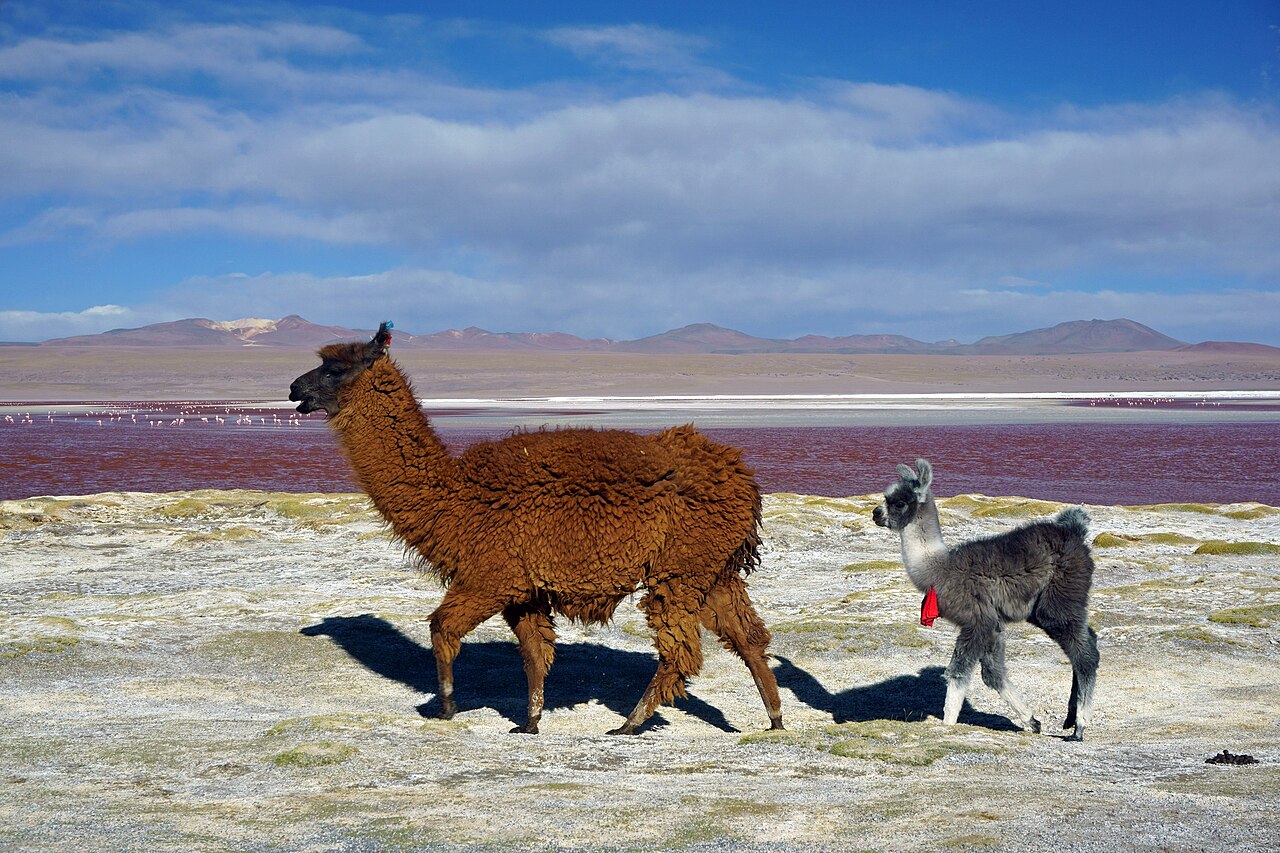
Put the current animal first
Contact the veterinarian with the animal’s identity, location and present condition. Explain what “difficulty rising” means in directly observed terms and when it was first noticed. Ask for immediate care and handling instructions rather than trying to make the animal demonstrate the problem repeatedly.
This guide does not provide lifting, restraint, drenching or drug instructions. A web description cannot determine whether the concern reflects injury, illness, environmental exposure or more than one problem. Follow the case-specific professional plan while preserving a useful history.
Reconstruct the period before shearing
Record the animal’s recent movement and feeding observations, known health concerns and any professional findings. Distinguish a routine distant sighting from a closer assessment. “No problem recorded” is not equivalent to a documented normal examination.
Keep the shearing group and handling sequence visible. Note arrival, waiting, shearing and release times where known, with uncertainty if the exact time was not recorded. Preserve who directly observed each stage rather than attributing every detail to one later recollection.
Add the environmental context
| Part of the history | Detail to retain |
|---|---|
| Before handling | Movement, appetite and known concerns |
| Holding period | Location, duration and observed conditions |
| Shearing event | Timing, responsible people and reported difficulty |
| After release | First change, subsequent observations and location |
| Advice and care | Actual instructions and completed follow-up |
Record weather and shelter conditions as observations with their source and time. Do not turn a regional forecast into a precise description of the animal’s immediate environment. An equipment or handling concern should retain the original account and any later clarification.
Resolve an ambiguous onset
Imagine a fictional event in which a worker first notices the llama struggling after release. Another worker later recalls an unusual gait while it waited. Those observations may change the chronology. Add the second account with its source and date instead of silently rewriting the first note.
The aim is not to decide who was at fault from the timeline. It is to give the veterinarian the best-supported sequence and identify what remains unknown. A problem noticed after a task can have begun before, during or after it.
Keep follow-up connected
Record the professional assessment, advice, subsequent changes and planned reassessment. Keep an instruction separate from its completion. If the animal is moved under advice, retain its destination and the time so later observations are interpreted in the right setting.
If several llamas were handled together, preserve each individual’s course. A group description can hide one animal that had a different waiting period or an earlier concern. The veterinarian can decide which differences matter; the record should make those differences available rather than average them away.
Use the llama hub for related reference topics and the veterinary handoff guide for a concise update. Review the handling record afterward with the relevant professionals, preserving actual findings and uncertainty rather than presenting the shearing date as a complete causal explanation.
Build a short handoff before a longer retrospective review
The first update should identify the llama and its present location, describe what it is doing and state when the concern was recognized. Add the relevant professional instructions already received. A concise current account can be sent while other workers clarify waiting times, earlier observations and the handling sequence.
For the longer history, give each account its source. One person may have seen the animal walk into holding, another attended shearing and a third noticed the difficulty afterward. Their observations are complementary when their intervals are clear. Combining them into a single statement that the llama was normal until release can claim more continuous observation than anyone actually provided.
Consider an illustrative case where the handler remembers a delay but the event sheet records only the scheduled start. Preserve the recollection and schedule separately, and seek a reliable event time if available. An exact scheduled time should not be used to calculate a precise waiting duration that the actual record cannot support.
Keep the follow-up question attached to the animal through any advised move. If a new caregiver sees the llama in a different setting, describe that observation as a new update. A change in the ability to observe it should not silently become either recovery or deterioration. The veterinarian interprets the course with the examination and other evidence.
Does the sequence justify blaming the shearing event?
It identifies an important part of the history to review. Establishing cause requires more than the order in which events were noticed. Preserve concerns about handling honestly without converting them into an unsupported verdict.
What if another llama in the group seems unaffected?
Keep its observations at their actual scope. Group mates may have different histories or observation coverage. A reassuring view of another animal does not settle the affected llama's problem or remove the need for the planned individual assessment.
Cite this reference
LivestockDefense. “A llama struggling to rise after shearing: prepare the veterinary handoff.” Updated 2026-11-03. https://livestockdefense.com/guides/llama-difficulty-rising-after-shearing/
Add the date you accessed the page. This identifies the current reference; keep a permitted saved copy if your work depends on its exact wording. A citation alone does not establish support for a claim.
How to cite a page and its revision ↗