
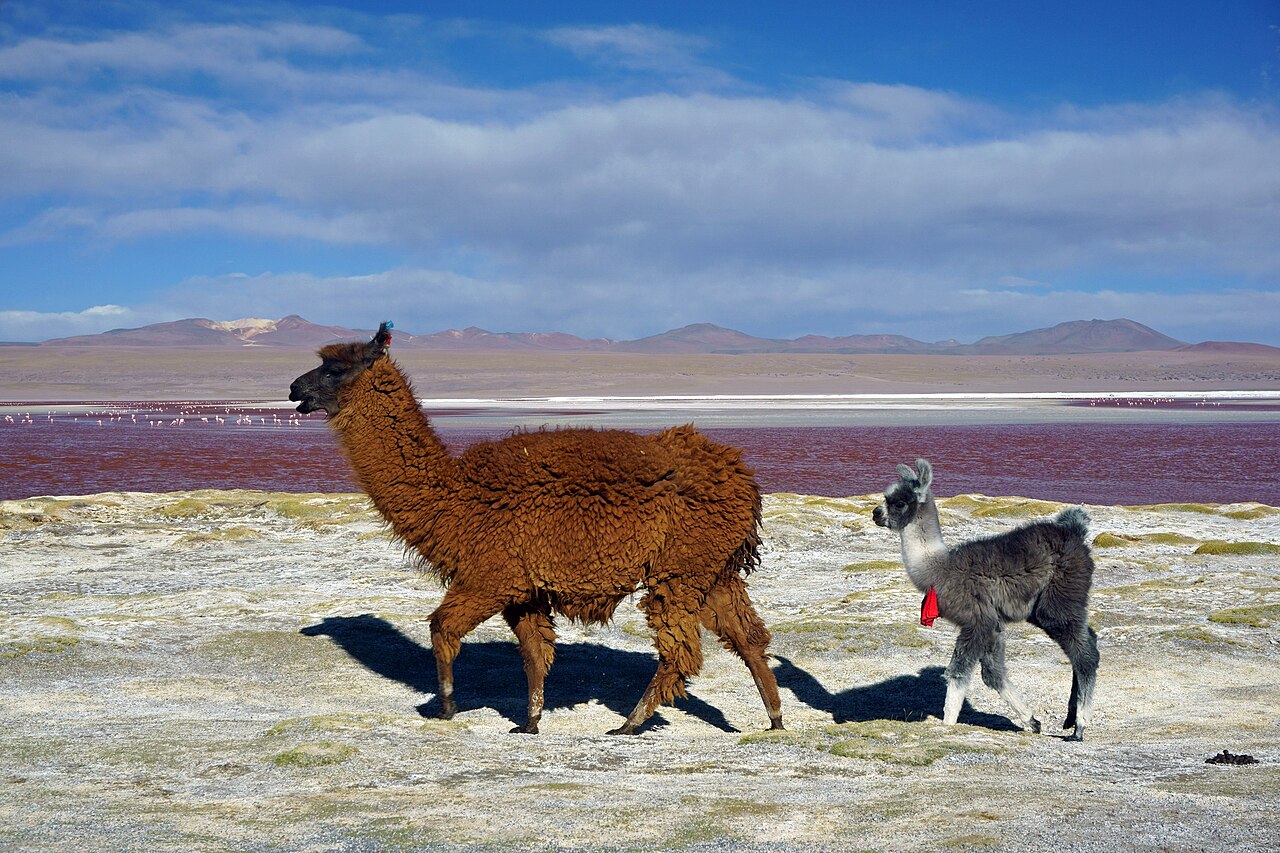
Keep the llama’s identity and the finding precise
Use the actual llama identity and supported age or group history. Keep species beside animal identity, including when the property record covers several camelids. If the identity or affected side is uncertain, preserve that uncertainty instead of copying a nearby animal’s details.
Describe ordinary movement already seen, with its time and setting. A reluctant step on a passage, an observed limp and a visible foot-area change are different findings. Do not assign pain to a particular structure merely because the surface looks rough. The veterinarian determines localization and clinical interpretation.
An image may help document the existing view, but the unseen underside or covered area remains unassessed. Do not force walking over the route, repeat a gait challenge or handle a painful foot to improve the account. Ask what information can be obtained appropriately while care is arranged.
Reconstruct the route as used
Mark the surfaces on the actual path: holding area, gateway, trailer approach, passage and resting location where relevant. Keep the date and basis for each surface description. A photograph after resurfacing cannot show the previous material, and a supplier’s delivery receipt does not establish the day the route changed.
Retain movement groups and route availability. One llama may use the passage repeatedly while another has been in a separate paddock. Neither a farm-wide material purchase nor a group housing label establishes the same contact history for every animal.
Surface condition and animal condition need separate follow-up records. If a competent team reviews a physical hazard, retain the findings and completed work. Avoid judging its effect solely from fewer reports at a location that the animals no longer use.
A fictional resurfacing date that moves backward
A llama is noted moving differently during a morning visit. A contractor finishes a passage repair that afternoon. A later summary lists the repaired surface as the condition present before the concern, because the invoice carries only that day’s date.
Restore the actual completion time and the earlier surface uncertainty. Keep the llama’s earlier movements and any known access to other routes. The record now asks a useful question about the timing of contact rather than claiming the new material caused an earlier finding.
Carry the history into the professional assessment
Give the veterinarian prior foot concerns, relevant care and any earlier confirmed findings with their original wording and dates. A former diagnosis in another camelid should not become this llama’s current explanation. New professional findings can refine the account without changing what the first observer genuinely knew.
Use llama references and the veterinary handoff guide. Keep instructions, work completed and subsequent observations distinct. An improved appearance after several changes cannot isolate the effect of one surface repair, but a clear sequence can help the responsible team decide what to review next.
Map contact without estimating unseen use
List the places the llama is known to have used, with the evidence and dates. Distinguish a witnessed passage from an available route and an assumed habitual route. A path that exists on the property does not establish that this animal used it during the relevant interval. Preserve a worker’s recollection as an attributed account if no contemporaneous movement record is available.
For a fictional group, some llamas use a repaired passage while one remains in a different area. A farm-wide “new surface” entry would give every animal the same history. An animal-linked map preserves the difference and lets the veterinarian decide which details matter. It does not establish a harmful amount of contact or a safe alternative surface.
Give the technical team a bounded question
Ask the responsible team to document the actual surface finding and any change, including completion and approved use. Keep a material delivery, installation and return-to-use decision as separate events when the records distinguish them. A same-day invoice cannot order those events accurately on its own.
After work is completed, continue the llama’s care record under the professional plan. The surface task can be finished while the animal’s assessment or follow-up remains open. Keeping both threads visible prevents a maintenance closure from becoming an invented clinical outcome.
Common questions
Can a distant photograph identify the painful structure?
It can preserve the visible finding and setting. Retain its limits and the veterinarian’s later localization separately rather than upgrading the image into an examination.
Should earlier concerns in another llama be included?
They can provide clearly labeled group context where relevant. Keep the actual animal identities and reports distinct so a prior diagnosis elsewhere does not become this llama’s explanation.
Cite this reference
LivestockDefense. “Llama foot soreness: describe the real route and movement history.” Updated 2026-11-03. https://livestockdefense.com/guides/llama-foot-soreness-on-abrasive-surfaces/
Add the date you accessed the page. This identifies the current reference; keep a permitted saved copy if your work depends on its exact wording. A citation alone does not establish support for a claim.
How to cite a page and its revision ↗