
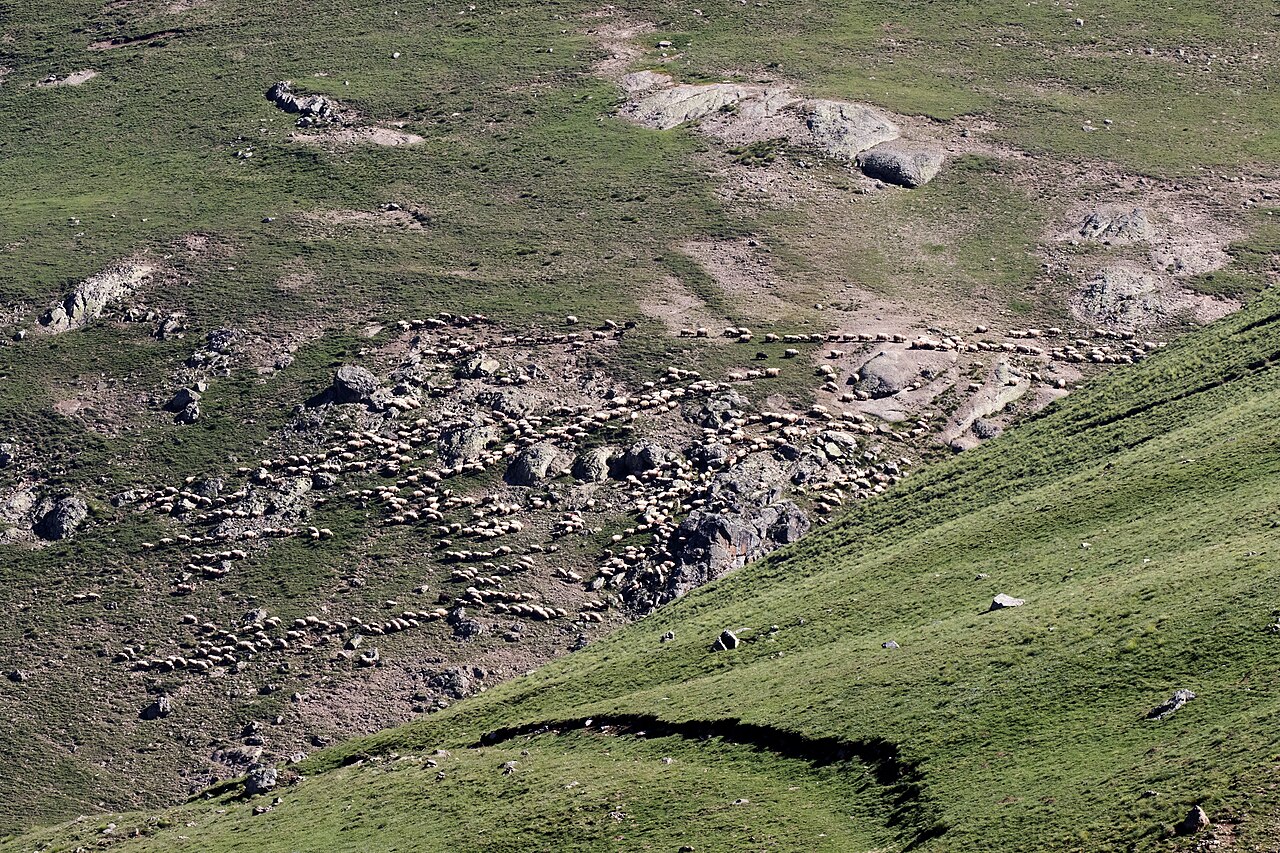
Identify the sheep and the observation stage
Record stable animal identity, foot and first concern time. Keep a routine pre-work observation distinct from a trained examination. If a group is described as “feet checked,” state which sheep and sites were actually assessable.
Retain photographs with their date, orientation and stage of work. A later clear view should not silently replace an earlier obscured image. The two show different observation conditions, and that distinction matters to a serial comparison.
Preserve the professional work plan
Use the flock’s appropriate veterinary and trained hoof-care arrangements. Record the responsible person and the scope of the planned assessment. This guide supplies no restraint, washing, trimming, lesion manipulation or waste-treatment procedure.
Ask the responsible professionals how contact controls, tools and work areas should be managed for the specific concern. A general cleaning task is not automatically evidence that a disease-specific issue has been resolved. Keep the instructions and actual completion attributable.
| Assessment layer | Detail to preserve |
|---|---|
| Sheep and foot | Stable identity and orientation |
| Initial view | Mud, obstruction and observation limits |
| Trained finding | Examiner, date and actual conclusion |
| Work event | Authorized activity and completion |
| Follow-up | Individual care and reassessment responsibility |
Reconstruct the recent footing history
Keep actual pasture, yard and housing movements with relevant observations. A muddy area found later does not establish that every affected sheep used it during the preceding interval. Preserve route and membership uncertainty.
Include earlier foot concerns and professional findings where verified. A lack of a previous note is not a documented normal examination. Do not infer a precise onset from the date trimming was scheduled or from the point when a lesion first became visible to a worker.
Work through an apparent sudden increase
In this fictional flock, an initial distant check records few findings while many feet are obscured. A later trained assessment records more concerns under better viewing conditions. A summary initially calls the difference rapid spread.
The corrected account retains the change in method and assessable coverage. It does not establish that no biological change occurred; it establishes that the counts cannot be interpreted without the observation difference. The veterinarian assesses the individual findings and group history.
Keep care separate from task completion
Record which animals require further attention under the professional plan. A trimming task completed for the group does not establish that every foot concern resolved. Keep held-back sheep, incomplete assessments and referred cases visible in the work record.
If a sheep moves to another pen, carry the individual history by relationship rather than leaving it behind under the old location. Comparable follow-up depends on identifying the same animal and site, not merely counting findings in the original pen.
Use sheep references and the biosecurity center for related observation and contact questions. A useful pre-trimming record states what could be seen, what remained obscured and what the trained assessment later established, without turning a cleaner view into a retrospective diagnosis.
Count an obscured view as a coverage limitation
A useful work summary can show sheep assessed, sites visible, sites awaiting a usable assessment and animals requiring a separate care decision. This describes the day's work without forcing every foot into a normal-or-abnormal column. Agree the categories with the flock team so a blank cell is not mistaken for either a normal finding or a missed task.
Give the original and later images separate identifiers if they concern different work stages. Link them to the same sheep and foot, then state what changed about the view. This makes a cleaner image useful without pretending the earlier image showed the same detail. Keep the examiner's conclusion separate from an editor's caption describing visible features.
For an illustrative review, eight sheep have a usable initial view and four have obscured feet. Later, all twelve receive the planned trained assessment. Comparing the first eight with the later twelve as if coverage were unchanged can produce a misleading rise in recorded findings. Show the eight paired histories and the four newly assessable histories separately before discussing the group's clinical interpretation.
The distinction also helps plan the remaining workload. A sheep awaiting assessment, a completed routine task and an individual referred for further care need different follow-up. Assign each unresolved item to the responsible person rather than closing the whole list when the contractor leaves.
Can a later clear view identify when the problem began?
Not by itself. It establishes what was visible at that later examination. Use the earlier observations and their limits when describing the onset interval, and preserve uncertainty where no usable earlier view exists.
Does group task completion mean every sheep has a final outcome?
No. A work event may be complete while one animal still needs reassessment or a different care pathway. Carry that animal's identity and instructions into the next shift, even if its original pen has been emptied.
Cite this reference
LivestockDefense. “Keep muddy-foot observations separate from the trimming assessment.” Updated 2026-11-03. https://livestockdefense.com/guides/sheep-feet-muddy-before-trimming/
Add the date you accessed the page. This identifies the current reference; keep a permitted saved copy if your work depends on its exact wording. A citation alone does not establish support for a claim.
How to cite a page and its revision ↗