
Build an inventory with identity status
Use field or area identifiers and the source of each plant identification. A qualified identification, an owner’s common name and an uncertain image match should remain distinguishable. Do not let a required database field force an unsupported species name.
Record the date and observation coverage. An old inventory can remain useful history without establishing every plant present now. Keep additions, removals and uncertain areas visible rather than overwriting the earlier record.
Separate availability from consumption
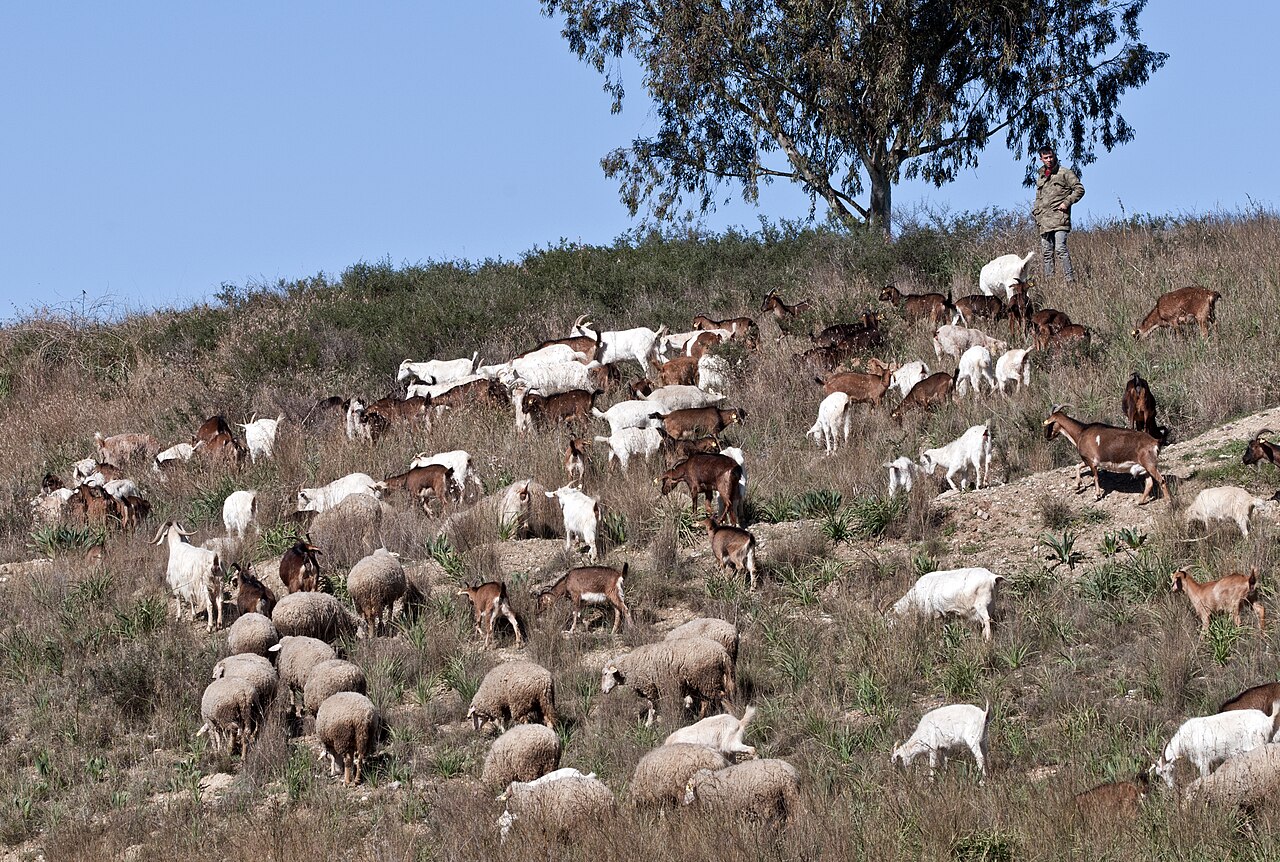
A plant being present does not establish that sheep or goats consumed it or how much. Record actual group access and observations at their real scope. A photograph of an animal nearby is not a measured intake record.
Keep sheep and goat histories separately where they differ. A shared paddock label should not imply identical access intervals or diets. The qualified advisers determine which species and production-stage distinctions matter for the actual question.
| Browse-history layer | Evidence to preserve |
|---|---|
| Area | Actual field and viewing coverage |
| Plants | Identity source and uncertainty |
| Change | Date and observed availability |
| Animals | Real group and access interval |
| Interpretation | Qualified advice and limits |
Preserve the wider forage history
Retain actual offered feeds, changes in grazing areas and relevant weather records with their dates. A regional rainfall report may provide context without describing every patch. A recent feed delivery should not become proof that each animal received the planned alternative.
Do not offer an uncertain plant to see whether animals will eat it. Obtain appropriate professional identification and feeding advice.
Work through an outdated area list
In this fictional mixed group, the map uses a spring plant inventory while an autumn access route has changed. A new shrub is photographed, and the record labels it consumed by all animals because both sheep and goats entered the area.
The corrected history preserves the old inventory, new observation and actual group access. It does not identify the shrub or establish consumption. It tells the advisers which relationships are verified and which remain assumptions before any dietary conclusion is made.
Keep animal concerns independent
Record actual behavior, feeding or condition concerns with the represented animals and dates. A browse change does not diagnose an illness, while a clinical finding does not identify one plant as its cause without the appropriate evidence.
Any professional analytical report should retain the material or animal it represents, method and limitations. A result from one plant or item should not silently become a finding for the whole paddock or every animal.
Review the inventory after advised changes
Record actual access or feeding decisions under the responsible plan and the person completing them. A revised map does not reconstruct earlier consumption. Preserve the earlier version and reason for changes so later comparisons remain readable.
Use sheep references, goat references, post-frost field records and CropDefense for related plant context. A useful autumn inventory describes what was present and accessible while leaving intake and suitability questions with the appropriate assessment.
Turn the inventory into a useful adviser handoff
List the decision needed beside the inventory: a proposed new access area, a change in available browse, or assessment of an animal concern after known access. The adviser can then identify which missing details matter. Sending a long plant list without the actual question can encourage an answer about the wrong use or group.
In a second fictional example, goats enter a newly accessible fence line while sheep remain in the original paddock. The farm's group name still combines both species. A dated access note separates the two histories without asserting that either group consumed a particular plant. The correction makes later animal observations easier to place in context.
Where plant identification is later clarified, update the inventory and any dependent feeding question. Keep the earlier uncertain entry and the source of the new identification. Do not make the record appear to have known the species before that assessment was available.
Frequently asked questions
Can a browse list be used as a ration record?
It describes plants recorded in an area at a time. Actual access and consumption require their own evidence. Give the feeding adviser the offered-feed history and observation limits alongside the list.
What if a plant is present but no animal was seen eating it?
Record presence and the supported access history. “Not seen eating” does not measure intake across an unobserved interval. Avoid both a confirmed-consumption claim and a categorical no-consumption conclusion based only on that gap.
When should an autumn list be revised?
Record meaningful new observations, changed routes, qualified identification and advised management changes under their actual dates. Keep the coverage clear. A revision can improve the present inventory while leaving earlier plant availability or access uncertain. The goal is a traceable account of the real area rather than a permanently complete-looking species list.
Cite this reference
LivestockDefense. “Keep an autumn browse inventory tied to the sheep and goats actually using it.” Updated 2026-11-03. https://livestockdefense.com/guides/small-ruminant-browse-changes-in-autumn/
Add the date you accessed the page. This identifies the current reference; keep a permitted saved copy if your work depends on its exact wording. A citation alone does not establish support for a claim.
How to cite a page and its revision ↗