
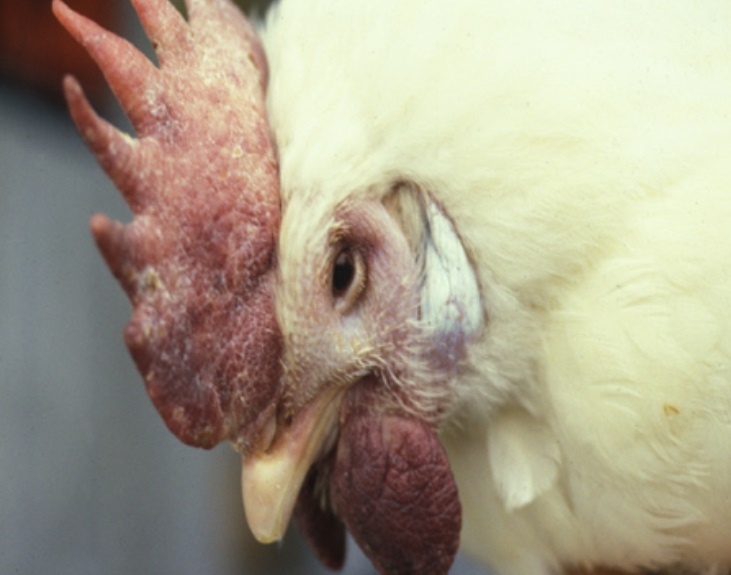
Understand the two descriptions
APHIS distinguishes highly pathogenic avian influenza (HPAI) from low pathogenicity avian influenza (LPAI). The latter may cause few or no obvious signs in poultry. These categories should not be treated as a visual diagnosis.
Supporting source: USDA APHIS: Avian influenza
Changes to report
Sudden deaths, reduced energy or appetite, egg-production changes, breathing difficulty, swelling and neurological changes are among the signs APHIS describes. Seek veterinary or official guidance when unusual illness occurs.
Supporting source: USDA APHIS: Avian influenza
Keep a flock timeline
Use a consistent flock identifier. Record dates, observed changes and the denominator behind each count. A note such as “five deaths among 120 birds since yesterday” is more useful than an unexplained total.
Follow official status links
The APHIS source links to detection information. Consult it directly for current status. This static reference does not carry live case counts or make public-health assessments for an individual exposure.
Cite this reference
LivestockDefense. “Avian influenza in poultry.” Updated 2026-10-28. https://livestockdefense.com/threats/avian-influenza/
Add the date you accessed the page. This identifies the current reference; keep a permitted saved copy if your work depends on its exact wording. A citation alone does not establish support for a claim.
How to cite a page and its revision ↗Sources & boundaries
Read the evidence in context.
These documents support the statements identified in this reference. Check their scope and dates when deciding whether they answer your question.
- USDA APHIS: Avian influenza
Source update: 2026-10-06. Most recent check: 2026-11-03.
Document scope and recorded checks
Avian influenza categories, poultry signs and official status destinations. Program-page document navigation only: separate current-status and historical-report destinations, with revision date distinct from an incident date. No current detection count, disease mechanism, laboratory/collection/control procedure, individual status, deadline or movement permission adopted.
Entries retain the date and scope of each recorded inspection.
- 2026-11-03 — Official disease overview, surveillance/detection resources and reporting context; no live counts, disease-freedom claim or movement authorization asserted.
Exact primary/official publisher page or its indexed text inspected for these bounded statements on 2026-11-03.
- 2026-10-31 — Program-page document navigation only: separate current-status and historical-report destinations, with revision date distinct from an incident date. No current detection count, disease mechanism, laboratory/collection/control procedure, individual status, deadline or movement permission adopted.
Exact official page inspected: displayed revision date and Current Status/Historical Information headings and links. Original fictional screenshot example is editorial illustration.
- 2026-10-28 — Avian influenza categories, poultry signs and official status destinations.
Exact source page inspected; bounded editorial summary
- 2026-11-03 — Official disease overview, surveillance/detection resources and reporting context; no live counts, disease-freedom claim or movement authorization asserted.