
This reference uses the specific documents linked in the article and listed below. Check their scope, publication dates and the statements they support.
Clinical and subclinical mastitis
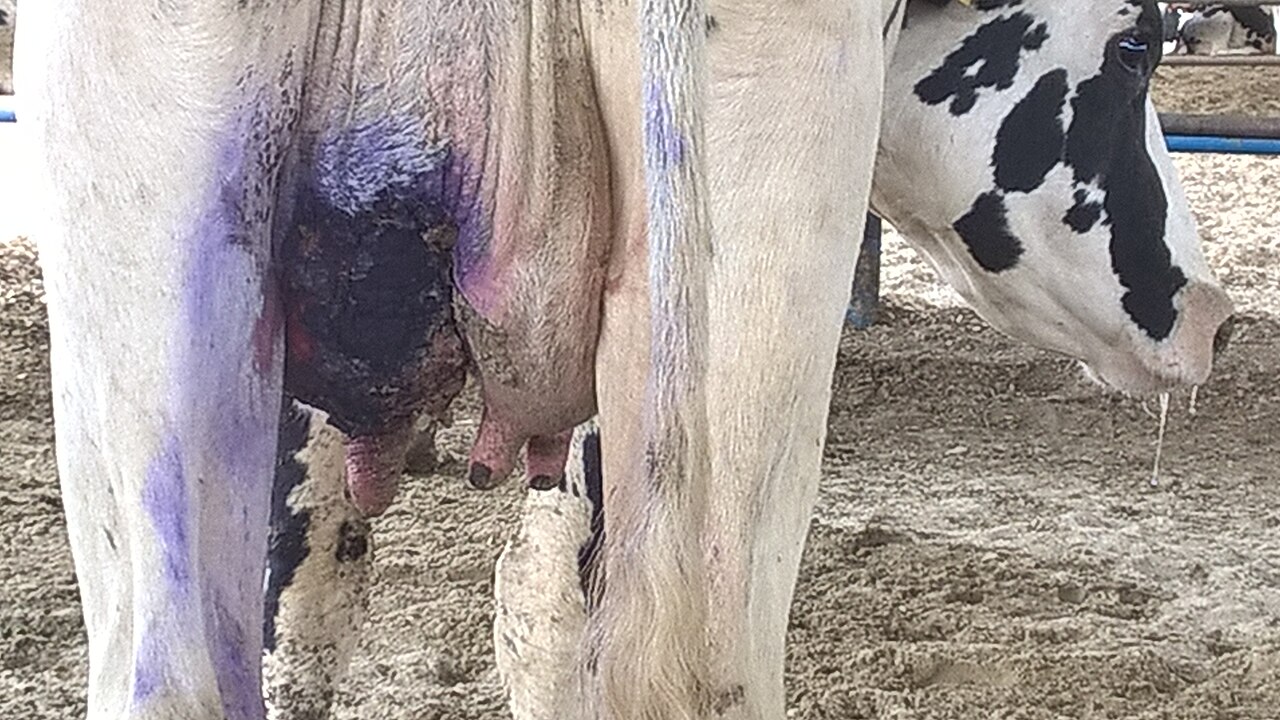
The Merck Veterinary Manual distinguishes visible clinical disease from subclinical infection. Clinical findings include clots or other milk changes and sometimes an inflamed udder. Systemic illness, including fever, appetite loss or shock, makes a case severe and warrants urgent veterinary attention. Subclinical disease may have no obvious udder or whole-animal signs.
This distinction changes what a worker is likely to notice. A milking check can identify an abnormal secretion, while a routine laboratory record may first reveal a less visible problem. Preserve both routes to detection. Avoid using “looks normal” as the conclusion when the question concerns an abnormal test result.
Where infections come from
Merck describes microbes entering through the teat canal and broad contagious and environmental reservoirs. Contagious spread can occur during milking; environmental exposure includes bedding and other contaminated surroundings. Some organisms cross that simple division. A pathogen name and the herd’s actual history are more informative than assuming every case has one universal route.
For the investigation, keep milking-group changes, equipment concerns and bedding events as separate dated observations. A cluster after a routine changed deserves review, but the timing alone does not establish where organisms came from. The case-history comparison guide develops that reasoning.
What a somatic cell count tells you
The University of Minnesota SCC reference explains cell counts as a marker of udder health and milk quality. Interpret the result at its stated level: quarter, cow or bulk tank. Compare the same units and retain the dates, lactation context and earlier results.
An SCC indicates inflammation; it does not name the organism. A higher herd result should lead to investigation of the contributing animals and the production system. It should not be copied into every cow’s record as an individual diagnosis. Likewise, a herd trend can improve while a particular cow continues to need attention.
Culture, PCR and the question behind the test
Minnesota’s screening guidance separates herd surveillance from individual diagnostic testing. Culture looks for viable organisms; PCR detects genetic material. Bulk-tank screening can miss low-level contributions, especially as herd size increases. Individual diagnostic culture provides a more specific connection to a cow or quarter than a general herd screen.
| Question | Record needed to interpret the answer |
|---|---|
| Is the herd trend changing? | Bulk-tank results, dates, units and milking population |
| Which cow needs further assessment? | Individual results and clinical history |
| Which quarter was involved? | Quarter identity linked to the sample and examination |
| Which organism was reported? | Original culture or molecular report and method |
| Is this a recurrence? | Earlier episodes, interval and the definition used |
These questions can require different tests. Ask the veterinarian and laboratory to match the submission to the decision, including any treatment already given. Keep an inconclusive or contaminated result in its original category rather than converting it into a negative finding.
Treatment and follow-up
Merck’s treatment approach depends on clinical severity and the organism involved. A systemically ill cow needs prompt assessment and supportive care as appropriate. Treatment choices should belong to the herd veterinarian’s plan, with clear animal identification and the milk and meat withdrawal directions supplied for the treatment used.
Keep the treatment record connected to the original episode. Record who assessed the cow, the affected quarter, treatment instructions, response and the criteria given for returning milk to the supply. The end of visible abnormalities and completion of a withdrawal period answer different questions; neither should be guessed from a general web article.
Prevention should match the herd finding
The Minnesota references emphasize clean bedding, consistent milking routines, appropriate teat hygiene and a screening program suited to the herd. A review should connect the professional diagnosis with the part of the routine that can actually be improved. For example, a bedding issue requires a different operational review from an equipment fault or the introduction of an infected animal.
Check whether the agreed routine is practical on every shift. Assign responsibility for supplies, equipment checks, exceptions and follow-up results. Preserve the before-and-after records so the effect of a change can be assessed using comparable observations.
A worked recurrence example
Consider an illustrative record: cow 418 had abnormal milk from the right rear quarter on Monday. A sample was linked to that quarter. Later, another worker records “mastitis again,” without a quarter or onset time. Before counting a second episode, recover the missing details and apply the herd’s episode definition consistently. The new note might describe continuation, recurrence or a different quarter.
The individual-cow timeline guide shows how to retain the original events while making that distinction. This example illustrates interpretation of records rather than an outcome from a real herd.
Questions about bovine mastitis
Can normal-looking milk rule out mastitis?
No. Subclinical mastitis can require cell-count and other diagnostic information to detect. Read an examination and a test result together.
Does a positive bulk-tank result identify the affected cow?
It describes the submitted tank material. Individual assessment or testing is needed to connect the finding to particular animals.
When is the situation urgent?
Whole-animal illness or rapid deterioration requires prompt veterinary attention. Give the cow’s identity, observed changes and timing using the handoff guide.
Cite this reference
LivestockDefense. “Bovine mastitis: signs, testing and herd prevention.” Updated 2026-10-28. https://livestockdefense.com/threats/bovine-mastitis/
Add the date you accessed the page. This identifies the current reference; keep a permitted saved copy if your work depends on its exact wording. A citation alone does not establish support for a claim.
How to cite a page and its revision ↗Sources & boundaries
Read the evidence in context.
These documents support the statements identified in this reference. Check their scope and dates when deciding whether they answer your question.
- Merck Veterinary Manual: Mastitis in cattle
Source update: 2025-04. Most recent check: 2026-10-28.
Clinical and subclinical mastitis, reservoirs, severity, diagnosis and treatment principles.
- University of Minnesota Extension: Lowering somatic cell counts in milk
Source update: Not provided. Most recent check: 2026-10-28.
Cow and herd cell-count interpretation and practical udder-health management; no regulatory threshold reproduced.
- University of Minnesota Extension: Cost-effective mastitis screening programs
Source update: Not provided. Most recent check: 2026-10-28.
Bulk and individual screening, culture/PCR targets and sampling-population limits.