
This reference uses the specific documents linked in the article and listed below. Check their scope, publication dates and the statements they support.
The parasite and the bird both matter
The Merck reference describes Eimeria replication in intestinal cells and the damage that follows. Different parasites favor different intestinal sites, and poultry coccidia are generally host-specific. A chicken finding should therefore not be transferred automatically to a turkey flock or another bird species.
For a practical record, identify species, age, placement and housing group. The word “poultry” is useful for a library category but too broad to replace those details in an investigation. Keep any laboratory identification with the particular birds or material examined.
How the litter cycle sustains exposure
The Cooperative Extension explanation describes oocysts leaving infected birds in droppings and becoming infective in the environment. Birds then ingest infective stages. Contaminated litter and equipment can connect flock areas. Managing wet litter, particularly around waterers, is an important part of prevention.
This cycle makes a location map useful. Record persistent wet patches, changes in drinker performance and the routes used by equipment. Preserve the timing of repairs. A note that the house was “cleaned” leaves unanswered which areas were treated, what material remained and whether the same problem returned.
Signs and diagnostic limits
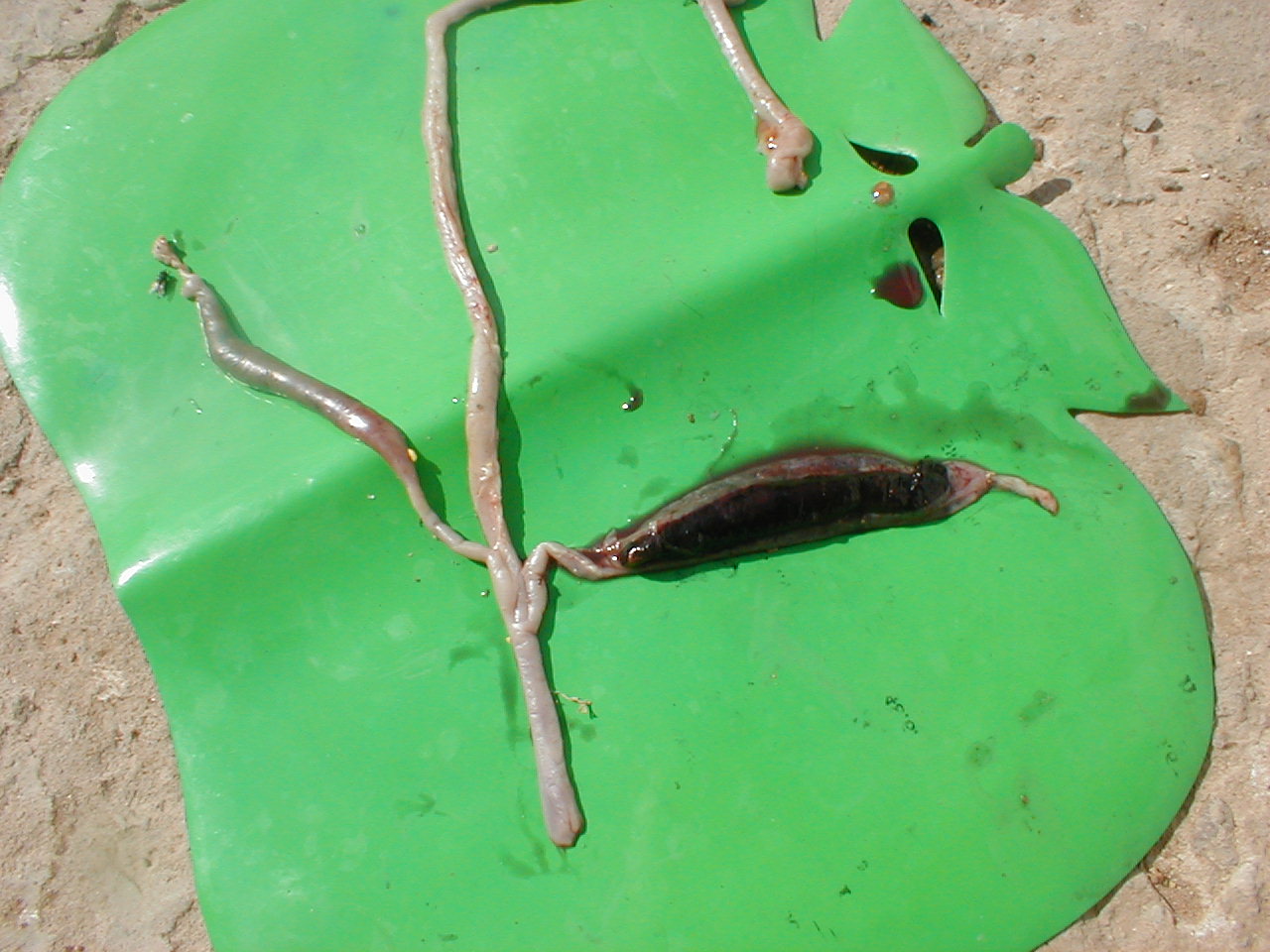
Merck describes a range from reduced growth to diarrhea, poor intake, production loss and high mortality. Blood may be relevant in some cases, but its absence should not become a rule-out. Fecal oocyst numbers have limited correspondence with disease severity. Examination of intestinal findings and the overall case is important to interpretation.
| Finding | Question it leaves open |
|---|---|
| Oocysts detected | Which parasites, in which birds, with what clinical relevance? |
| Reduced growth | Is the comparison population and interval equivalent? |
| Diarrhea | What other enteric or management explanations remain? |
| Deaths in one area | What distinguishes that location and group? |
| A previous vaccine or feed program | Was it appropriate, delivered as intended and interpreted correctly? |
Have the veterinarian or diagnostic service determine which birds and evidence should be examined. Preserve original reports and distinguish laboratory findings from the farm’s working explanation.
Prevention is a coordinated program
Cooperative Extension describes medication and vaccination as tools that complement management. Vaccines differ by poultry species and product. Live vaccine programs depend on an intended biological response, while an anticoccidial program has its own product and use requirements. Combining products or changing a planned program without advice can undermine the intended approach.
Before a flock is placed, record the agreed prevention program, who is responsible for delivery and which records will confirm it. Keep hatchery information, feed labels and subsequent changes connected. If a problem develops, the veterinarian can review what actually occurred rather than a remembered version of the plan.
Responding to sick birds
A flock with worsening illness, substantial diarrhea or increasing deaths needs prompt professional assessment. Preserve daily counts, flock age, feed and water observations, and the times of recent changes. Decisions about treatment, supportive measures, product suitability and withdrawal directions should follow the veterinary plan and the relevant product instructions.
An internet drug list is insufficient to choose a program for chickens, turkeys or game birds. Species, production purpose and local product authorization can differ. Keep the actual product and instructions with the record, rather than simply recording “coccidiosis treatment.”
Evaluate recovery using comparable measures
The practical question after an intervention is whether the flock’s observed course is improving under consistent monitoring. Keep the same definitions for daily deaths, birds removed, feed observations and production measures. Make changes in counting methods visible.
For example, suppose a worker starts inspecting two additional corners of a house after a concern is raised. A higher count of findings may partly reflect the expanded search. Record that change so the timeline does not confuse improved detection with an equally large biological change.
A useful first account
An illustrative handoff could identify placement P-7, the house, bird age, first reliable change, daily counts and a wet-litter area with a known repair date. Attach the prevention records and label any presumed diagnosis as provisional until the professional findings are available.
The poultry hub, daily biosecurity check and flock timeline guide provide connected reading. The separate turkey reference preserves the species context.
Questions about poultry coccidiosis
Does every positive oocyst finding mean severe disease?
No. Interpret parasite detection with the bird findings, intestinal examination and flock history.
Does vaccination replace litter management?
No. Cooperative Extension treats prevention tools and management as complementary parts of a program.
Can I reuse another flock’s treatment plan?
Confirm the species, production purpose, products and current veterinary instructions. A superficially similar illness does not establish that the same intervention fits.
Cite this reference
LivestockDefense. “Coccidiosis in poultry: intestinal disease, diagnosis and prevention.” Updated 2026-10-28. https://livestockdefense.com/threats/coccidiosis-in-poultry/
Add the date you accessed the page. This identifies the current reference; keep a permitted saved copy if your work depends on its exact wording. A citation alone does not establish support for a claim.
How to cite a page and its revision ↗Sources & boundaries
Read the evidence in context.
These documents support the statements identified in this reference. Check their scope and dates when deciding whether they answer your question.
- Merck Veterinary Manual: Coccidiosis in poultry
Source update: 2024-09. Most recent check: 2026-10-28.
Eimeria, host/site specificity, variable clinical disease and diagnostic limitations of oocyst counts.
- Cooperative Extension / University of Kentucky: Use of anticoccidial medications and vaccines in poultry production
Source update: Not provided. Most recent check: 2026-10-28.
Environmental oocyst cycling, litter management and species-appropriate prevention tools; no drug list reproduced.