
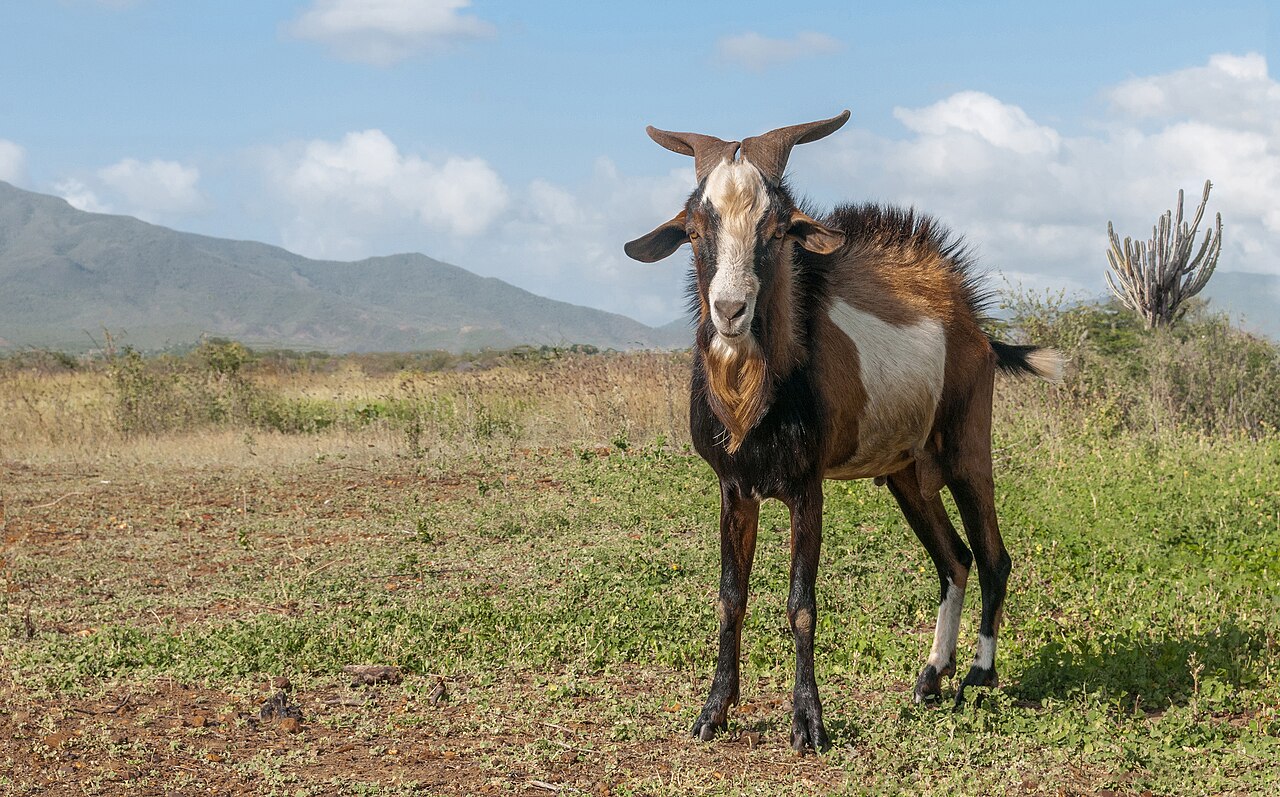
This reference uses the specific documents linked in the article and listed below. Check their scope, publication dates and the statements they support.
Different tissues can reveal the same nutritional problem
Copper is required by several enzyme systems. A shortage may therefore affect more than hair color: connective tissues, red-cell function, bone development and nervous-system development all matter. Poor coat, weight loss, anemia and impaired fertility are possible features. Later deficiency can also increase bone fragility, so an apparent minor handling injury may reveal a more extensive nutritional problem. Merck’s goat-specific clinical chapter.
These signs are not a shortcut to diagnosis. Faded hair can have other explanations, and an anemic goat may have haemonchosis rather than a primary dietary copper shortage. Both can be relevant to one herd, but treatment decisions still need clinical and nutritional evidence. Repeated copper dosing in response to appearance alone can replace a suspected deficiency with an actual excess.
Enzootic ataxia in kids needs particular care
Kids may appear normal at birth and later become progressively uncoordinated, weak behind or unable to stand. In copper-associated enzootic ataxia, the problem includes damage to the spinal cord and nerve pathways. Established neurologic signs are not reliably reversed by supplying copper after the damage has occurred. Permanent injury and the CAE differential.
The neurologic form of caprine arthritis encephalitis can look similar. Injury, infection and other metabolic disorders also require consideration. A weak kid should be assessed promptly and kept where it can avoid trampling and reach appropriate nutrition. Do not assume that every wobbly kid needs the same bolus or injection. The welfare question includes whether it can feed, move and remain comfortable while a diagnosis is established.
Molybdenum, sulfur and secondary deficiency
A goat may consume copper yet be unable to use enough of it. Molybdenum and sulfur can interact in the rumen to form compounds that interfere with copper availability; iron and zinc can also contribute to the wider nutritional balance. Assess drinking water as well as forage and supplements. Goat mineral interactions explains why a feed label alone does not establish the amount available to the animal.
A University of Missouri case presented by the Joint Pathology Center documented a young goat with markedly low liver copper, increased molybdenum and microscopic neurologic injury. It illustrates a real secondary-deficiency context, not a universal rule that every high-molybdenum forage causes ataxia. The actual diet, duration and animal copper status remain important.
This is the clinical issue behind “molybdenum-associated copper imbalance.” Its practical distinction from a simple low-copper ration is that adding copper without understanding the antagonists may fail to correct the underlying feeding problem. Conversely, increasing copper indefinitely is unsafe when an assumed antagonist has not been established or later disappears.
Investigating the goats and their actual ration
The examination separates present illness from a nutritional risk state. In a kid with neurologic signs, localization and relevant testing help distinguish cord disease from generalized weakness. In adult goats, persistent anemia, diarrhea or poor condition warrants investigation for other common causes alongside mineral assessment. A veterinarian decides whether blood, liver or pathology assessment will answer the specific question.
Review the diet the animals truly consume, including fortified concentrates, mineral feeders, water and supplements administered for parasite control. A product formulated for sheep may under-supply goats, while simply replacing it with several overlapping goat products may oversupply them. Sheep–goat differences and copper excess emphasizes both sides of that balance.
The history matters when interpreting results. Recent treatment can change circulating copper or tissue stores without reversing an earlier developmental injury. A laboratory result and a nervous-system lesion answer related but different questions. Avoid declaring either a diagnosis or a cure solely from the coat, one number or an apparent brief response to handling.
Treatment and prevention have different goals
Correcting a demonstrated deficiency aims to restore adequate copper supply and prevent further damage. The veterinarian or nutritionist selects an appropriate program for the species, age, diet and degree of shortage. Bone fragility, anemia and other illnesses may need additional management. Neurologically affected kids require an honest prognosis rather than a promise that a mineral supplement rebuilds damaged nerve tissue.
Pregnant does deserve attention before the next group of kids develops disease. Appropriate maternal nutrition protects development; treating only affected offspring misses that preventive opportunity. Maternal ration assessment. Keep sick or weak animals in a safe environment and reassess those that cannot maintain an acceptable quality of life.
Copper products used for parasites still count
Copper oxide wire particles used in some parasite-control programs also contribute copper exposure. Their purpose does not exempt them from the total. Excessive administration, especially on top of dietary supplements, can cause toxicosis in goats. Copper toxicity caution. The goat hub provides feeding context; copper toxicosis in sheep explains why mixed-species access must be managed carefully.
Can one mineral mix safely cover sheep and goats?
The species have different copper requirements and tolerances. A shared program needs deliberate professional formulation and controlled access, rather than a compromise based on which bag is most convenient. Separate feeding often makes those needs easier to meet safely.
Cite this reference
LivestockDefense. “Copper deficiency in goats: coat, bone and kid neurologic disease.” Updated 2026-11-02. https://livestockdefense.com/threats/copper-deficiency-in-goats/
Add the date you accessed the page. This identifies the current reference; keep a permitted saved copy if your work depends on its exact wording. A citation alone does not establish support for a claim.
How to cite a page and its revision ↗Sources & boundaries
Read the evidence in context.
These documents support the statements identified in this reference. Check their scope and dates when deciding whether they answer your question.
- Merck Veterinary Manual: Copper deficiency in goats
Source update: 2026-07. Most recent check: 2026-11-02.
Kid neurologic disease, permanent injury, CAE differential and later bone fragility; no guarantee of reversing established neurologic deficits.
- Merck Veterinary Manual: Nutritional requirements of goats
Source update: 2026-07. Most recent check: 2026-11-02.
Copper, zinc and iodine functions, nutritional antagonists, sheep/goat differences and toxicity risk. No supplemental doses or blanket mineral program prescribed.
- Joint Pathology Center / University of Missouri Veterinary Medical Diagnostic Laboratory: Copper-deficiency neuroaxonal degeneration in a goat: conference 02 case 01
Source update: 2021-08-25. Most recent check: 2026-11-02.
Individual goat with low liver copper and increased molybdenum, microscopic neuroaxonal injury and explanatory thiomolybdate context. Case does not establish prevalence or a universal causal threshold.