
This reference uses the specific documents linked in the article and listed below. Check their scope, publication dates and the statements they support.
Intestinal damage can appear long after infection
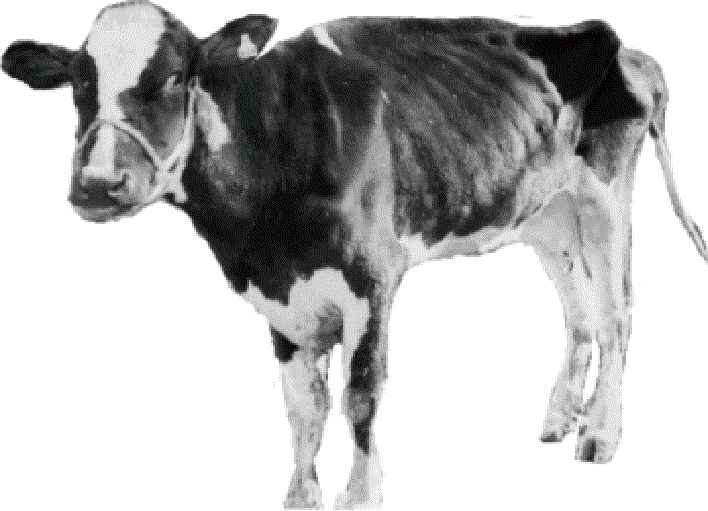
APHIS describes a chronic inflammatory disease in which the intestine becomes less efficient at absorbing nutrients. Affected cattle can lose weight despite retaining an appetite; chronic diarrhea and protein-loss swelling under the jaw may occur. Reduced performance can precede a clearly recognizable clinical case.
The long interval matters when investigating where infection began. The ration a cow ate this week may help explain current condition, but it does not necessarily identify when MAP exposure occurred. Review calf-rearing history and herd introductions alongside the adult examination rather than attributing a years-long process to the most recent management change.
The calf and adult are different parts of one problem
APHIS emphasizes young-animal susceptibility and exposure through contaminated manure, milk or colostrum. An adult that appears healthy can still be relevant to the herd programme. Prevention therefore needs to protect newborns while identifying and managing infected cattle; waiting until every infected animal becomes visibly ill leaves the earlier exposure problem unresolved.
Walk through the calf's actual route from birth to rearing area. Ask where adult manure could enter the environment, feed or water, and whether equipment moves between those jobs. A clean calf pen does not answer what happened during birth or milk collection. These are specific exposure questions rather than a general judgment about how tidy the farm looks.
Begin testing with the decision it must support
The Wisconsin diagnostic reference distinguishes diagnosis of a clinical animal, herd detection, estimation of infection and monitoring of control. Different goals can justify different animals and tests. A test plan should state the question before a result is used to select replacements or make a removal decision.
Culture seeks living MAP; PCR detects its genetic material, and antibody assays measure the animal's immune response. Antibody production may develop late, making an early negative result less reassuring than it seems. None of these descriptions makes one assay the correct answer for every herd purpose or stage of infection.
Interpret an individual result within the herd history
Ask the veterinarian how age, previous results and clinical findings affect the interpretation. Retain the actual assay name and result, including the laboratory's comments. A negative young animal and a negative adult with repeated testing should not automatically be presented as equivalent evidence about herd risk.
For a cow losing weight, other explanations still require assessment. The uploaded profile highlights parasitism, nutritional disorders and other intestinal disease. Confirming Johne's disease in one animal does not establish the cause of every thin cow, and a plausible alternative in one cow does not erase the herd's documented MAP history.
Control combines exposure prevention and adult management
Wisconsin's control guidance links prevention of new infections with identification and management of infected adults. It describes both test-and-cull and circumstances where test-and-manage may be appropriate. The herd veterinarian should help set priorities that can actually be maintained, rather than leave an unaffordable plan that is abandoned after one testing round.
Birth-area hygiene, separation from adult manure, milk and colostrum management, and safer introductions need to function as a connected programme. Colostrum remains essential; concern about MAP should lead to a safer supply plan, not omission of newborn care. Identify who is responsible when a usual source is unavailable.
Measure progress over the right interval
Control is a long-term undertaking, not a single negative herd test. Wisconsin warns that short-lived efforts commonly fail. Ask what outcomes will be followed: fewer new high-risk calves, consistent implementation, or changes in test findings among comparable age groups. These measures answer different questions and should be interpreted accordingly.
Keep birth identities and dam relationships available so later results can be connected to earlier exposure. The cattle hub links broader herd topics. For goats, use the separate goat paratuberculosis reference, because clinical appearance and testing context should not simply be copied from cattle.
Questions about cattle Johne’s disease
Is there a curative herd treatment?
APHIS describes no treatment that resolves Johne's disease. Management focuses on welfare and preventing further infection through a veterinary herd plan.
Does normal appetite rule it out?
No. Weight loss despite appetite is a recognized pattern, although it is not specific enough to diagnose the infection.
Can a new negative test replace source-herd information?
No. Interpret the result with the animal's age, test purpose and source-herd history. A purchase decision needs more context than one line marked negative.
Cite this reference
LivestockDefense. “Johne’s disease in cattle: chronic intestinal infection and herd control.” Updated 2026-10-29. https://livestockdefense.com/threats/johnes-disease/
Add the date you accessed the page. This identifies the current reference; keep a permitted saved copy if your work depends on its exact wording. A citation alone does not establish support for a claim.
How to cite a page and its revision ↗Sources & boundaries
Read the evidence in context.
These documents support the statements identified in this reference. Check their scope and dates when deciding whether they answer your question.
- USDA Animal and Plant Health Inspection Service: Johne’s Disease
Source update: 2026-06-09. Most recent check: 2026-10-29.
Chronic intestinal disease, long delay after early-life exposure, clinical signs and veterinary prevention principles.
- University of Wisconsin-Madison Johne’s Information Center: Dairy: Diagnosis
Source update: Not provided. Most recent check: 2026-10-29.
Test-purpose selection, organism detection versus antibody response, and limits of early-infection screening; assay performance not generalized.
- University of Wisconsin-Madison Johne’s Information Center: Dairy: Control
Source update: Not provided. Most recent check: 2026-10-29.
Preventing young-stock exposure while managing infected adults; sustained herd programme and test-and-manage versus test-and-cull choices.