
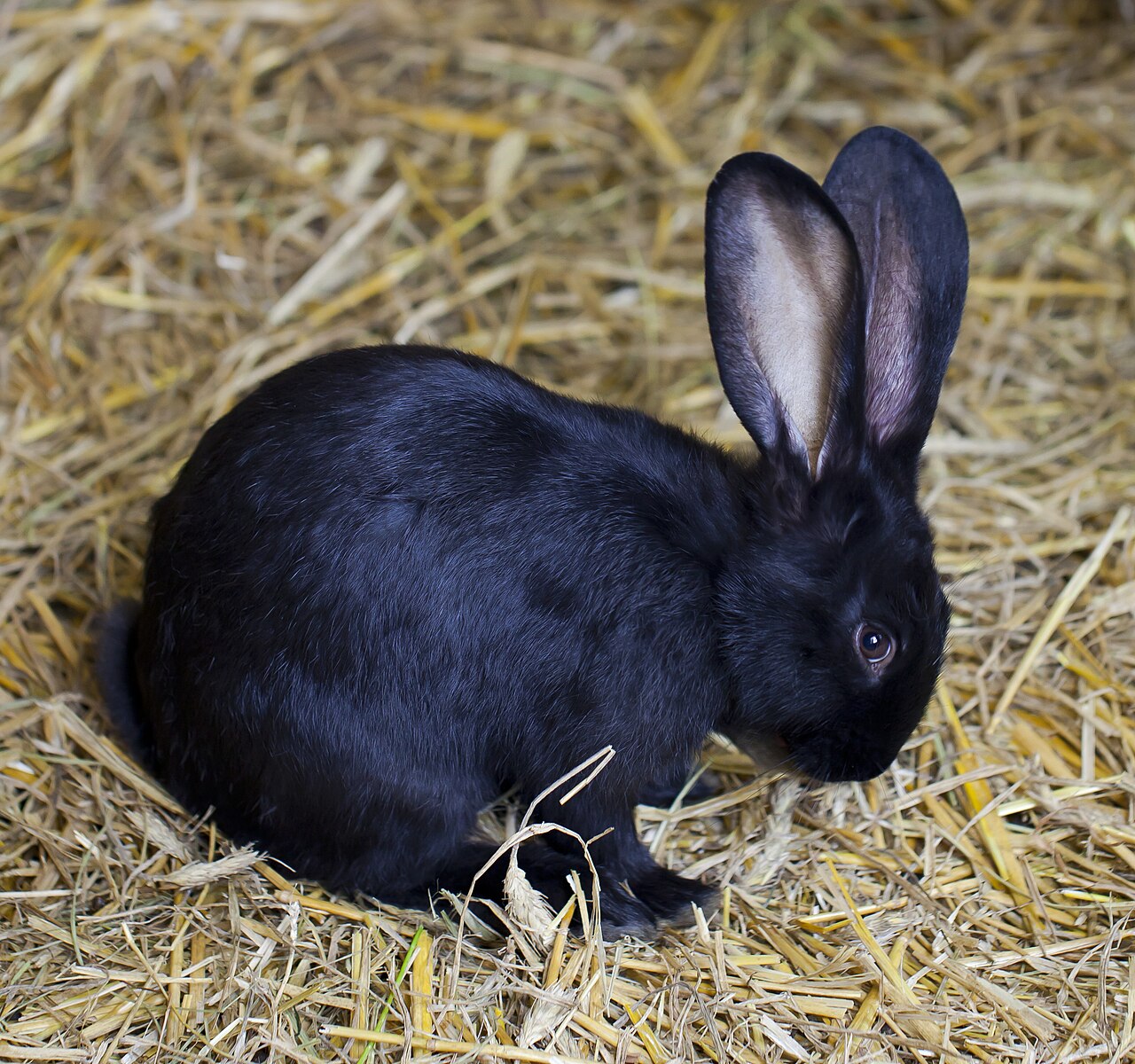
This reference uses the specific documents linked in the article and listed below. Check their scope, publication dates and the statements they support.
Growth and wear have to remain in balance
Rabbit incisors and cheek teeth grow throughout life. Their working relationship helps maintain functional surfaces as the animal chews. A developmental jaw mismatch can disrupt that relationship, allowing teeth to overgrow or contact tissues abnormally. This is a functional problem, not simply an unusual appearance of the front teeth.
The Merck chapter distinguishes early congenital bite abnormalities from acquired disease. Primary research also examines both genetic and environmental contributions to rabbit jaw and tooth malformations. Those contributions should not be collapsed into a claim that every abnormal incisor has one proven inheritance pattern.
Source: Noninfectious diseases of rabbits; Genetic and environmental factors influencing tooth and jaw malformations in rabbits.
Notice feeding difficulty rather than wait for severe overgrowth
A young rabbit may struggle to collect food, drop pieces, chew awkwardly or grow less well than expected. The incisors may not meet normally, but the visible bite does not show the condition of every cheek tooth. Drooling, a wet chin or reduced fecal output can indicate that eating is already affected.
Arrange prompt examination when intake changes. Rabbits can develop serious gastrointestinal consequences after eating less, so a dental appointment should not be treated as purely cosmetic. Offer the usual appropriate food and water while seeking advice; do not withhold food in an attempt to make the animal chew harder or wear the teeth faster.
Source: Noninfectious diseases of rabbits; Dental disease in companion rabbits under UK primary veterinary care: frequency and risk factors.
A full oral examination distinguishes the problem
The clinician assesses jaw relationship, tooth position, the soft tissues and cheek teeth, sometimes with imaging. Trauma, retained teeth and acquired dental changes can complicate the picture. A young rabbit that bites cage wire may damage teeth, and age alone does not establish a genetic diagnosis.
The 2016 research used skull imaging to investigate abnormalities that could escape a simpler clinical classification. Its practical lesson is that a normal-looking front view does not prove a completely normal mouth. The aim is to identify what is interfering with comfortable feeding and which structures need ongoing care.
Source: Noninfectious diseases of rabbits; Genetic and environmental factors influencing tooth and jaw malformations in rabbits.
Professional treatment protects the tooth and surrounding tissues
Options depend on severity and may include controlled dental correction or removal of persistently dysfunctional teeth. Rabbit dentistry requires suitable equipment and anesthesia decisions. The pressure from ordinary clippers or pliers can fracture a tooth and damage deeper tissues; these are not appropriate tools for home correction.
A one-time shortening may not resolve an underlying jaw mismatch. Discuss the likely frequency and burden of repeat care and whether another approach would provide more reliable comfort. Dental procedures should be paired with a feeding and pain-management plan so the animal can return to effective intake rather than merely display a shorter crown.
Source: Noninfectious diseases of rabbits; Computed tomographic findings of dental disease and secondary head disease in 90 domestic rabbits.
Plan a life the rabbit can manage comfortably
Long-term care may require regular reassessment and adaptation of feed presentation while retaining a nutritionally appropriate rabbit diet. Watch whether the animal can obtain food independently, maintain body condition and behave normally. Support needs should be realistic for the keeper and should not depend on allowing recurrent painful overgrowth before each visit.
Breeding decisions should account for a developmental dental defect and the available evidence about its cause. The veterinary reference advises against breeding affected rabbits. Avoid presenting a family history as a guarantee that every relative will develop disease, but do not dismiss an important early bite problem because it can temporarily be trimmed.
Source: Noninfectious diseases of rabbits; Genetic and environmental factors influencing tooth and jaw malformations in rabbits.
Practical questions
Can chewing a harder object correct a jaw mismatch?
Not reliably. Chewing opportunities support normal husbandry, but they do not change every developmental relationship between the jaws.
If the incisors look normal after trimming, is the mouth cured?
The underlying alignment and cheek teeth still matter. Reassessment should focus on function and the expected pattern of regrowth.
Related animal-health reading
Cite this reference
LivestockDefense. “Congenital malocclusion in rabbits: early bite problems and lifelong care.” Updated 2026-11-02. https://livestockdefense.com/threats/rabbit-congenital-malocclusion/
Add the date you accessed the page. This identifies the current reference; keep a permitted saved copy if your work depends on its exact wording. A citation alone does not establish support for a claim.
How to cite a page and its revision ↗Sources & boundaries
Read the evidence in context.
These documents support the statements identified in this reference. Check their scope and dates when deciding whether they answer your question.
- Merck Veterinary Manual: Noninfectious Diseases of Rabbits
Source update: Not provided. Most recent check: 2026-10-29.
Ulcerative pododermatitis affects weight-bearing foot skin; pressure, flooring and secondary infection may be relevant; no treatment prescription supplied.
- Animals / primary clinical imaging research: Computed tomographic findings of dental disease and secondary head disease in 90 domestic rabbits
Source update: 2024. Most recent check: 2026-11-02.
Condition-specific mechanisms, signs, diagnostic limitations and care principles attributed to this document; no drug dosages or invasive procedures reproduced.
- Veterinary dental research / primary study: Genetic and environmental factors influencing tooth and jaw malformations in rabbits
Source update: 2016. Most recent check: 2026-11-02.
Condition-specific mechanisms, signs, diagnostic limitations and care principles attributed to this document; no drug dosages or invasive procedures reproduced.
- Veterinary Record / primary veterinary research: Dental disease in companion rabbits under UK primary veterinary care: frequency and risk factors
Source update: 2024. Most recent check: 2026-11-02.
Condition-specific mechanisms, signs, diagnostic limitations and care principles attributed to this document; no drug dosages or invasive procedures reproduced.