
This reference uses the specific documents linked in the article and listed below. Check their scope, publication dates and the statements they support.
The parasite has a specific liver-associated disease pattern
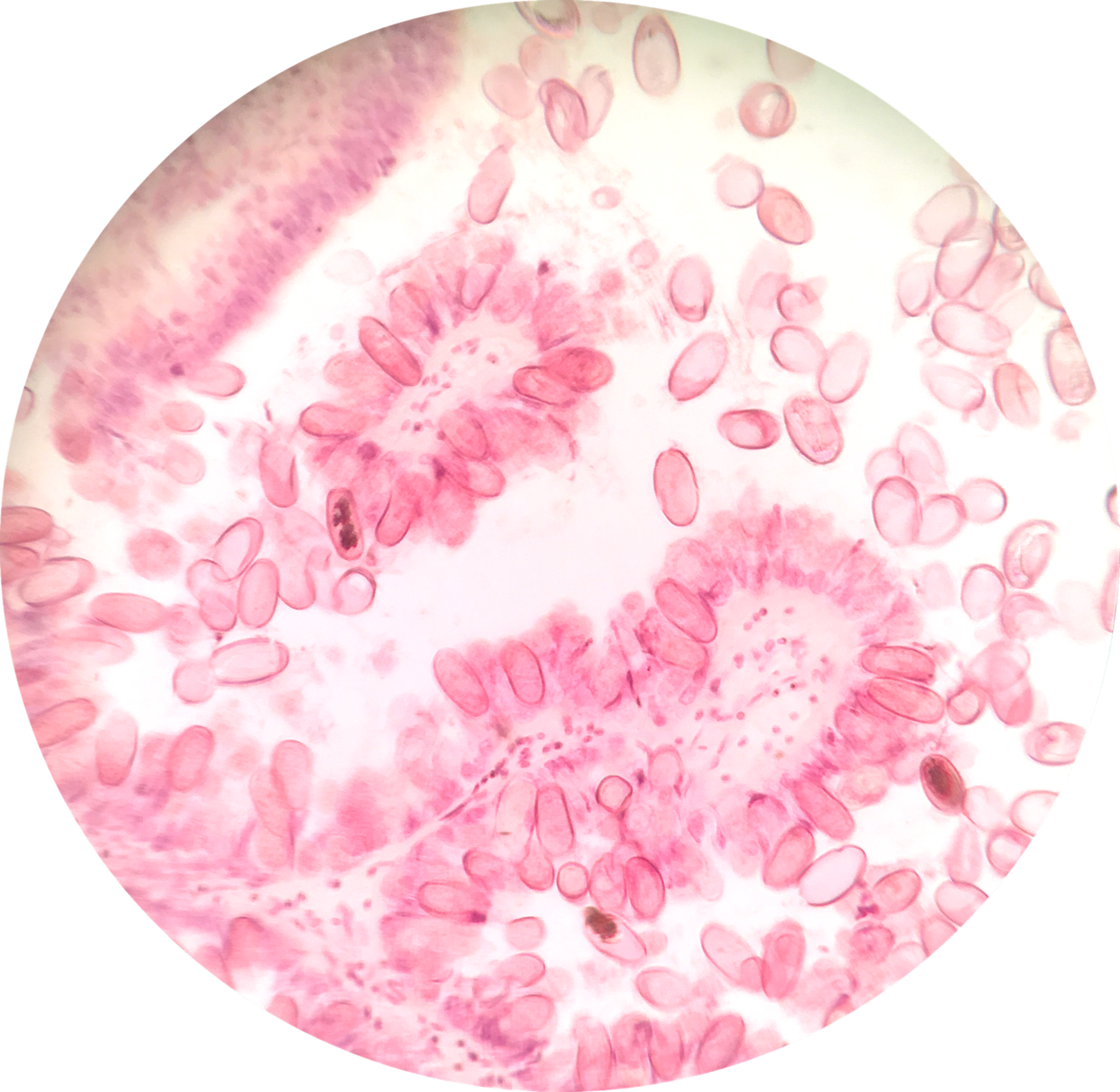
Rabbit coccidiosis includes an intestinal form involving several Eimeria species and a hepatic form associated with Eimeria stiedae. Those are not interchangeable anatomical diagnoses. The liver-associated parasite develops in the biliary system, where lesions can interfere with normal function.
Exposure occurs through ingestion of infective oocysts from a contaminated environment, including feed or water. The significance depends on susceptibility and exposure as well as the organism's presence. A group can contain apparently less affected carriers alongside poorly growing animals, so outward appearance alone is not a reliable test of infection status.
Source: Parasitic diseases of rabbits; Infectious diseases of domestic rabbits.
Poor growth can matter even without dramatic diarrhea
Young rabbits are particularly susceptible. A rough coat, reduced appetite or failure to make expected gains may be noticed, and severe disease can be fatal. The absence of obvious diarrhea does not exclude a liver-associated parasite problem.
Poor growth has many other explanations, including feeding access, dental problems and other infections. The veterinarian should assess the animal's condition and group context rather than attribute every undersized rabbit to coccidiosis. Severe weakness, persistent appetite loss or a deteriorating animal needs prompt care while the diagnostic work proceeds.
Source: Parasitic diseases of rabbits; Infectious diseases of domestic rabbits.
Identify the species and the anatomical significance
Fecal examination can help identify coccidian oocysts, but interpretation requires appropriate expertise. The Merck reference cautions that normal yeast seen in rabbit feces can be confused with oocysts. A nonspecific statement that parasites were seen should not replace identification relevant to the suspected disease.
The clinical examination and, where necessary, specialist diagnostic or pathology findings help establish whether liver-associated disease is present. Lesions found professionally after death may provide important group information. Do not rely on the appearance of a liver photograph to declare a carcass healthy or to identify a particular organism without diagnostic support.
Source: Parasitic diseases of rabbits; Infectious diseases of domestic rabbits.
Treat the animals and reduce the continuing exposure
Veterinary-directed anticoccidial treatment may be used, but treatment alone is unlikely to solve a heavily contaminated setting. The Merck chapter emphasizes simultaneous sanitation. Medication decisions should account for the rabbits' age, health, actual intake and role as food animals where applicable.
Do not copy a medicated-water recipe without considering whether sick rabbits drink adequately or whether the product is authorized locally. The attending veterinarian determines appropriate use and any withdrawal requirements. Clinical improvement and reduced shedding are related but different outcomes, and neither should be assumed from the mere addition of a product to the water supply.
Source: Parasitic diseases of rabbits; Management of rabbits.
Keep feces away from feed, water and vulnerable young stock
Design feeding and drinking points so they are less easily contaminated and keep resting areas dry. Remove accumulated waste and clean equipment using a method suited to the organism and facility. A disinfectant label for ordinary bacteria does not automatically establish useful activity against coccidian oocysts.
Review how new rabbits enter the unit and how young animals encounter areas used by older stock. These are practical exposure questions, not a claim that a tidy-looking enclosure is parasite-free. A veterinarian can help select testing and control appropriate to the actual problem, while avoiding indefinite medication as a substitute for a workable husbandry system.
Source: Parasitic diseases of rabbits; Management of rabbits.
Practical questions
Is every positive coccidia result proof of liver disease?
No. Rabbit coccidia include intestinal species as well as E. stiedae. Identification and clinical context matter.
Can medication replace cleaning?
No. Continuing environmental contamination can undermine control. Treatment and husbandry need to be planned together.
Related animal-health reading
Cite this reference
LivestockDefense. “Hepatic coccidiosis in rabbits: Eimeria stiedae and liver disease.” Updated 2026-11-02. https://livestockdefense.com/threats/rabbit-hepatic-coccidiosis-due-to-eimeria-stiedae/
Add the date you accessed the page. This identifies the current reference; keep a permitted saved copy if your work depends on its exact wording. A citation alone does not establish support for a claim.
How to cite a page and its revision ↗Sources & boundaries
Read the evidence in context.
These documents support the statements identified in this reference. Check their scope and dates when deciding whether they answer your question.
- Merck Veterinary Manual: Management of rabbits
Source update: 2026-07. Most recent check: 2026-10-28.
Distinction between production and pet-rabbit management and risk of injury from unsuitable restraint; body support in handling. Other clinical and drug recommendations are not reproduced.
- Merck Veterinary Manual: Parasitic diseases of rabbits
Source update: 2026-07. Most recent check: 2026-11-02.
Condition-specific mechanisms, signs, diagnostic limitations and care principles attributed to this document; no drug dosages or invasive procedures reproduced.
- Textbook of Rabbit Medicine / veterinary clinical reference: Infectious diseases of domestic rabbits
Source update: 2014. Most recent check: 2026-11-02.
Condition-specific mechanisms, signs, diagnostic limitations and care principles attributed to this document; no drug dosages or invasive procedures reproduced.