
This reference uses the specific documents linked in the article and listed below. Check their scope, publication dates and the statements they support.
The reaction to a tiny mite causes a major welfare problem
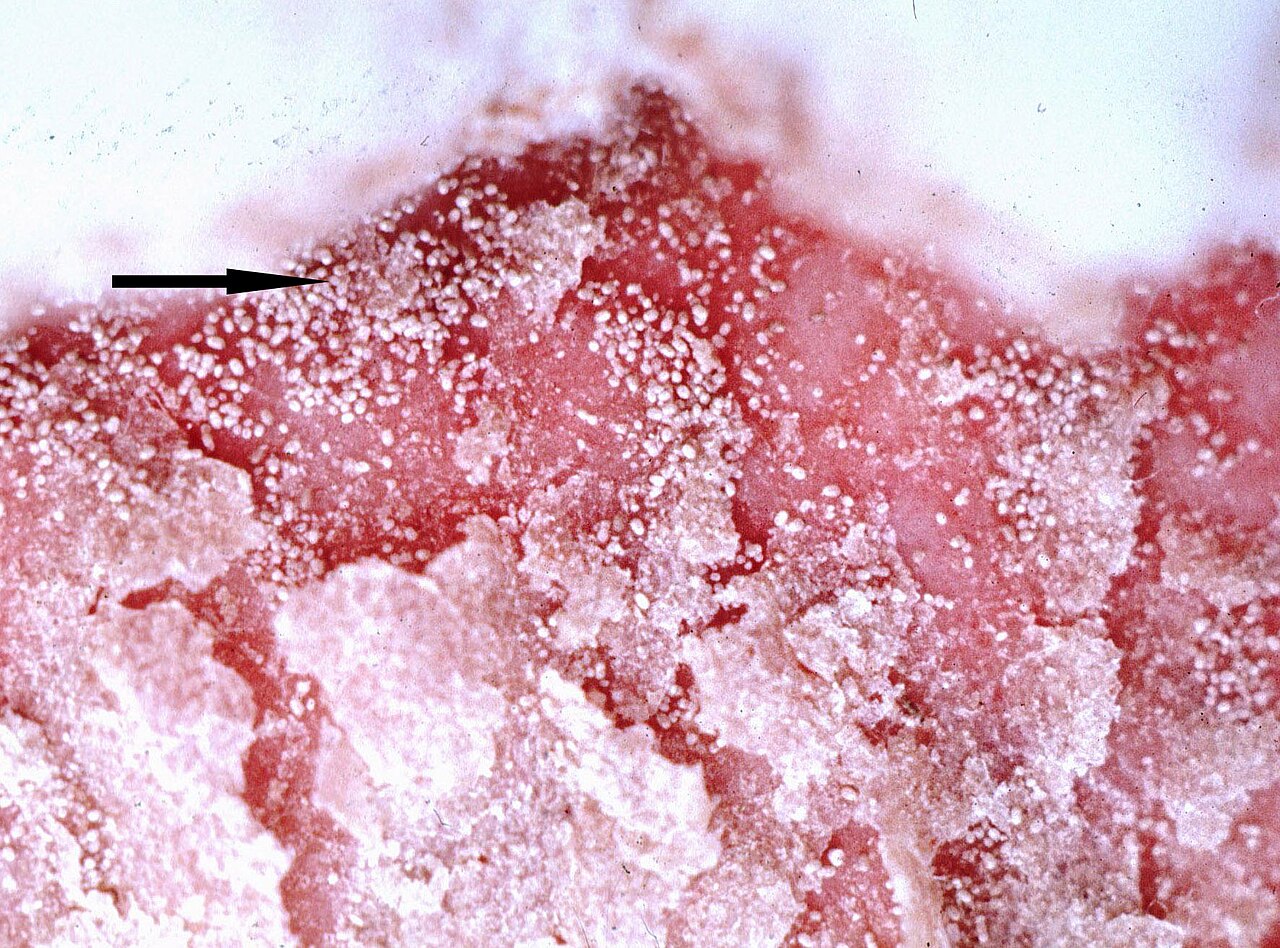
Psoroptes mites live at the skin surface and trigger an inflammatory allergic response. The result can be far more severe than the small size of the parasite suggests. Repeated biting and rubbing damages skin and fleece, while intense irritation interferes with normal feeding and resting.
Scottish Government guidance describes variation in the reaction between animals and breeds. A lightly affected sheep in the same group does not prove that the disease is mild or that it cannot carry mites. The sheep with the largest bare patch may simply be further along in the same outbreak.
Early carriers can look normal
Clinical signs may take weeks to become obvious. Sheep can therefore be moved or mixed before a problem is recognized. A recently shorn animal can also carry mites in protected areas despite looking much cleaner than an unshorn, crusted sheep.
NADIS describes the subclinical stage and the resulting introduction risk. A seller's assurance that no sheep were scratching is useful context but cannot substitute for an assessment of exposure and an appropriate quarantine plan.
Direct contact is the main route, but rubbing sites, wool tags, equipment and handlers can also move live mites. They can persist off the host for a limited period, so removing visibly affected animals alone does not immediately clear the exposure of their companions.
Recognize the itchy sheep before extensive skin damage
Restlessness, head tossing, nibbling at the flanks and rubbing can precede obvious bare areas. Disturbed or soiled fleece and tags of wool on fences are important clues. More advanced cases develop crusts, moist reddened skin, wool loss and poor condition.
A sheep with extensive wounds, rapid weight loss or severe distress needs prompt veterinary help. Loss of fleece and reduced feeding increase vulnerability to cold and secondary disease. Do not wait for every animal in the flock to show the same stage before acting.
Sheep lice and sheep keds also cause irritation. Finding lice does not exclude scab because both can occur on the same sheep. The treatment that suits one may fail to control the other.
Skin examination and antibody testing answer different questions
Veterinary microscopy can identify mites in suitable material from clinical lesions. It is particularly useful when active skin disease is present, but a low burden or early infestation can be missed. A negative result is not a universal clearance of every contact animal.
SCOPS explains the role of the blood ELISA in detecting the sheep's antibody response. This can help assess exposure before dramatic clinical signs develop. The response takes time to appear, so testing immediately after a possible exposure can be too early.
SRUC adds an important interpretation limit: antibodies can persist for months after successful treatment. A positive result therefore needs the treatment and exposure history; it is not automatically proof that live mites remain today. A representative group plan is more useful than testing one conveniently caught sheep and declaring the entire flock clear.
Treat a confirmed problem with an effective flock plan
The veterinarian selects an approach for the actual infestation and the products available locally. Depending on jurisdiction, options may include an authorized injectable treatment or professionally managed plunge dipping. Product, route, persistence and operator requirements are not interchangeable.
Do not adapt a dip into a spray or assume that a pour-on used for lice also treats scab. The UK APHA resistance guidance specifically warns that common lice and scab products have different coverage. Treating an undiagnosed itch can waste time and leave the true problem spreading.
All relevant exposed animals need to be accounted for in the control plan, including those without obvious signs. Missed sheep, returning strays or premature contact between treated and untreated groups can undermine otherwise correct treatment. Continued isolation and environmental precautions depend on the product and exposure situation.
Resistance is real, but every poor response needs investigation
APHA has documented resistance to macrocyclic-lactone treatments in UK sheep-scab mites. That evidence matters when planning local control; it does not mean every product fails in every flock or country.
When treatment appears ineffective, review diagnosis, administration, animals missed, timing and reinfestation as well as resistance. The veterinarian can arrange a structured investigation and report suspected medicine failure through the appropriate local system. Repeatedly changing products without resolving those questions can prolong suffering and select further resistance.
Recovery should include reduced live infestation and improving comfort. Wool damage takes time to disappear, and a sheep may remain itchy while injured skin heals. Neither persistent ragged fleece alone nor temporary reduction in scratching supplies a complete answer about treatment success.
Keep introductions and shared grazing in the plan
Assess purchased and returning sheep before mixing, maintain effective boundaries and consider shared transport and equipment. Commons or communal grazing may require coordinated action with other owners through the flock's veterinary plan. Control can fail when one untreated contact repeatedly reintroduces mites.
The sheep hub connects this with routine handling and housing. Quarantine needs practical separation and an appropriate testing schedule; a pen with direct contact through the fence may not achieve the intended barrier.
Is sheep scab reportable everywhere?
Rules differ. In Scotland, suspected sheep scab must be notified to the local APHA office, as set out in the Scottish guidance. Elsewhere, ask the local animal-health authority or veterinarian about the current obligations. A rule from one country should not be presented as universal.
Is sheep scab human scabies?
No. The sheep condition is caused by its livestock-associated Psoroptes mite and is not human scabies. Correct diagnosis still protects handlers from mistaking another cause of skin disease for scab.
Cite this reference
LivestockDefense. “Sheep scab: Psoroptes mites, severe itching and flock treatment.” Updated 2026-11-02. https://livestockdefense.com/threats/sheep-scab-or-psoroptes-ovis-infestation/
Add the date you accessed the page. This identifies the current reference; keep a permitted saved copy if your work depends on its exact wording. A citation alone does not establish support for a claim.
How to cite a page and its revision ↗Sources & boundaries
Read the evidence in context.
These documents support the statements identified in this reference. Check their scope and dates when deciding whether they answer your question.
- Scottish Government: Sheep scab: how to spot and report the disease
Source update: 2025-07-02. Most recent check: 2026-11-02.
Psoroptes-associated allergic dermatitis, variable signs and direct/indirect spread; specific Scotland reporting obligation checked, never generalized worldwide.
- Sustainable Control of Parasites in Sheep: Sheep scab diagnosis
Source update: Not provided. Most recent check: 2026-11-02.
Diagnosis rather than presumptive blind treatment, skin examination/ELISA roles and limits of early mite detection, introduction and boundary assessment.
- UK Animal and Plant Health Agency: Sheep scab resistance
Source update: Not provided. Most recent check: 2026-11-02.
Official primary-program summary of documented macrocyclic-lactone resistance, diagnostic differentiation from lice and systematic treatment-failure investigation. No claims of universal treatment failure.
- NADIS: Sheep scab
Source update: 2019. Most recent check: 2026-11-02.
Subclinical carrier stage, skin damage and welfare, indirect transmission, persistent antibodies after treatment and coordinated control. Historical legal/funding and product-specific dosing content are not adopted.
- Scotland’s Rural College: Making the most of testing for sheep scab
Source update: 2023-09-22. Most recent check: 2026-11-02.
Approximately two-week seroconversion delay, antibodies persisting after treatment, group-screening interpretation and contamination/reinfestation. Historical funding, charges and chemical application instructions are not repeated.