
This reference uses the specific documents linked in the article and listed below. Check their scope, publication dates and the statements they support.
The mite and the bee population follow connected cycles
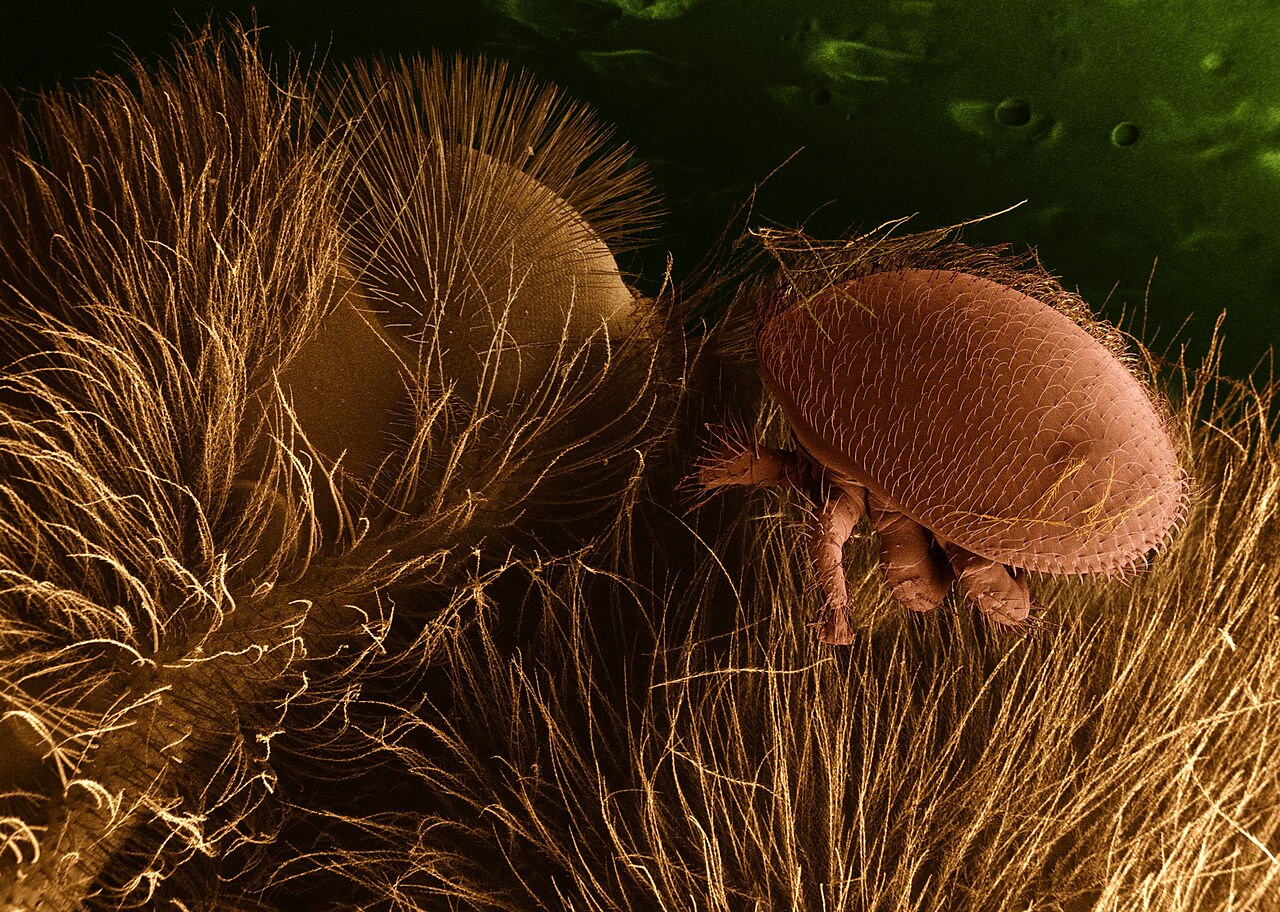
Adult female Varroa can travel and feed on adult bees, then enter brood cells before capping to reproduce. Developing mites emerge with the bee and continue the cycle. Worker and drone brood can both be involved, so restricting attention to one type of bee misses part of the colony system.
Mite populations can become particularly damaging as the bee population begins its seasonal decline. A hive that looked populous earlier may have an increasingly unfavorable ratio of mites to bees later. This helps explain why control aimed only at a visibly collapsing autumn colony may come after much of the important worker injury has already occurred.
Source: Varroa, Varroa destructor Anderson and Trueman; Managing Varroa mites in honey bee colonies.
Damage involves the bees and their viruses
Feeding can impair developing bees and shorten the useful lives of adults. Varroa is also involved in transmission and amplification of important honey-bee viruses. The colony consequences include poor-quality emerging workers, reduced survival and loss of the workforce needed for later seasonal demands.
A visibly deformed wing can justify concern, but it does not independently identify a particular virus or establish that every abnormal bee has the same cause. Equally, waiting for deformed bees before assessing mites leaves little margin. Healthy-looking bees can carry an infestation that becomes damaging as the season progresses.
Source: Varroa mite testing and management; Varroa, Varroa destructor Anderson and Trueman.
What mites feed on depends on the stage being examined
Descriptions of Varroa feeding have changed as research has examined different host and mite stages. A 2024 primary study found predominantly fat-body feeding by dispersing mites on adult bees and predominantly hemolymph use by reproductive foundresses on pupae. This is a stage-dependent finding rather than support for one universal feeding description.
For practical care, the important point is that both adults and developing brood can be harmed. The tissue result does not, by itself, select a treatment or show whether a specific colony will survive. Biological research and a current management recommendation answer related but different questions.
Source: Life-history stage determines the diet of ectoparasitic mites on their honey bee hosts.
Drone-brood mite overload is part of Varroa infestation
Varroa is particularly attracted to drone brood, and infestations may be conspicuous there. Many mites found in drone cells can be an important warning. The presence of drones is nevertheless a normal part of colony reproduction; drones themselves are not the disease.
An informal look at a handful of drone cells is not a universal estimate of the mite burden on all adults and brood. Drone-brood trapping is one biology-based management option, but it requires correct timing and an appropriate colony. Leaving a deliberately attractive brood resource unmanaged can permit the mites to complete reproduction. Learn the locally supported method before relying on it as control.
Source: Varroa, Varroa destructor Anderson and Trueman; Varroa mite testing and management; Managing Varroa mites in honey bee colonies.
Use a suitable monitoring method and interpret the result
Established adult-bee assessments provide a more useful basis for decisions than an occasional sighting. The method and the proportion of sampled bees carrying mites matter. Natural mite fall, mites found in brood and mites removed from an adult-bee sample are different measurements and should not be silently compared as the same quantity.
Brood status affects interpretation because many mites can be protected inside capped cells. The University of Minnesota also emphasizes that an apparently low or zero result does not guarantee future safety. Thresholds need regional and colony context, including virus pressure, resistant stock and season. Obtain a current local decision framework rather than wait for a universal number that fits every operation.
Source: Varroa mite testing and management; Managing Varroa mites in honey bee colonies.
Combine complementary controls and check their suitability
An integrated plan can include bee stocks selected for resistance, biological practices and appropriately chosen registered treatments. None should be treated as a guarantee. A queen sold as resistant still produces a colony that needs assessment, especially where outside mite pressure is high.
Product suitability depends on current authorization and directions, brood, temperature, honey supers and other colony conditions. A method that mainly reaches mites on adults may have limitations when much of the population is in capped brood. Do not improvise doses or copy a product list from an older manual. Ask the apiary service how to choose a plan that protects the bees, honey and person applying it.
Source: Varroa mite testing and management; Managing Varroa mites in honey bee colonies; Honey bee producer guide to the National Bee Farm-level Biosecurity Standard.
Protect future workers and reassess after intervention
Timing control before important periods of worker production helps reduce injury to the bees on which later survival depends. In cold-winter systems, that includes the generation that must sustain the colony through winter. Treating only after those workers have been damaged cannot restore their earlier development.
Reassess whether the intervention actually reduced the infestation and whether the colony still has adequate brood, workers, food and queen function. Mites can arrive again on drifting or robbing bees, so one successful intervention does not permanently protect the apiary. A dwindling colony may also need supportive care and assessment of whether recovery is realistic.
Source: Varroa mite testing and management; Overwintering; Colony growth and seasonal management of honey bees.
Practical questions
Can no visible mites mean the colony is clear?
No. Visual inspection overlooks mites on less visible adult sites and in capped brood. Use the appropriate monitoring approach and seasonal plan.
Should all drone brood be considered diseased?
No. Drone production is normal. The concern is infestation and its effect, not the existence of male brood.
Does a completed treatment guarantee recovery?
No. Verify mite control and assess remaining worker, brood and queen function. Established damage or reinfestation can still affect survival.
Related animal-health reading
Cite this reference
LivestockDefense. “Varroa in honey bees: brood injury, viruses and effective colony protection.” Updated 2026-11-02. https://livestockdefense.com/threats/varroa-destructor-infestation/
Add the date you accessed the page. This identifies the current reference; keep a permitted saved copy if your work depends on its exact wording. A citation alone does not establish support for a claim.
How to cite a page and its revision ↗Sources & boundaries
Read the evidence in context.
These documents support the statements identified in this reference. Check their scope and dates when deciding whether they answer your question.
- University of Florida IFAS Extension: Varroa, Varroa destructor Anderson and Trueman
Source update: Not provided. Most recent check: 2026-10-30.
Document scope and recorded checks
Species identity, adult-bee versus brood association, visual-detection limits and region-dependent integrated management. Broad statements about tissue diet are qualified by the 2024 primary study; no old thresholds or treatment schedules reproduced. Detection and management are dynamic; monitoring interpretation and decision thresholds depend on regional and colony context. No collection technique, numerical threshold, treatment or universal sampling interval supplied.
Entries retain the date and scope of each recorded inspection.
- 2026-10-30 — Detection and management are dynamic; monitoring interpretation and decision thresholds depend on regional and colony context. No collection technique, numerical threshold, treatment or universal sampling interval supplied.
Exact publisher page or indexed publisher text inspected for the bounded facts identified; no independent veterinary review implied
- 2026-10-29 — Species identity, adult-bee versus brood association, visual-detection limits and region-dependent integrated management. Broad statements about tissue diet are qualified by the 2024 primary study; no old thresholds or treatment schedules reproduced.
Exact public publisher document inspected for the bounded claims identified in the article
- 2026-10-30 — Detection and management are dynamic; monitoring interpretation and decision thresholds depend on regional and colony context. No collection technique, numerical threshold, treatment or universal sampling interval supplied.
- Nature Communications: Life-history stage determines the diet of ectoparasitic mites on their honey bee hosts
Source update: 2024-01-25. Most recent check: 2026-10-29.
Public abstract and published results inspected: primarily fat-body feeding by dispersing V. destructor on adult bees versus primarily hemolymph feeding by reproductive foundresses on pupae. No experimental methods, figures or treatment efficacy claims reproduced.
- University of Minnesota Bee Lab: Varroa mite testing and management
Source update: Not provided. Most recent check: 2026-11-02.
Mite monitoring, virus risk and integrated management; no numerical treatment prescription.
- Cornell CALS Pollinator Network: Overwintering
Source update: Not provided. Most recent check: 2026-11-02.
Food stores, weather protection and ventilation in cold climates.
- Mississippi State University Extension: Colony growth and seasonal management of honey bees
Source update: Not provided. Most recent check: 2026-11-02.
Condition-specific mechanisms, signs, diagnostic limitations and care principles attributed to this document; no drug dosages or invasive procedures reproduced.
- Canadian Food Inspection Agency: Honey bee producer guide to the National Bee Farm-level Biosecurity Standard
Source update: Not provided. Most recent check: 2026-11-02.
Condition-specific mechanisms, signs, diagnostic limitations and care principles attributed to this document; no drug dosages or invasive procedures reproduced.
- North Carolina State University Extension: Managing Varroa mites in honey bee colonies
Source update: 2026. Most recent check: 2026-11-02.
Condition-specific mechanisms, signs, diagnostic limitations and care principles attributed to this document; no drug dosages or invasive procedures reproduced.