
This reference uses the specific documents linked in the article and listed below. Check their scope, publication dates and the statements they support.
Animal at a glance
| Topic | Overview |
|---|---|
| Animal group | Social South American camelid livestock |
| Production roles | Fibre and breeding production, with other local roles |
| Life stages | Cria, growing animal and adult breeding or fibre groups |
Fibre production begins with the whole animal
Fibre quality is one outcome of a well-run alpaca enterprise, not a substitute for welfare. Choose animals with a clear purpose and a realistic plan for fibre handling, breeding and surplus stock. Arrange suitable grazing, shelter, shearing and access to camelid-experienced veterinary care before the herd grows.
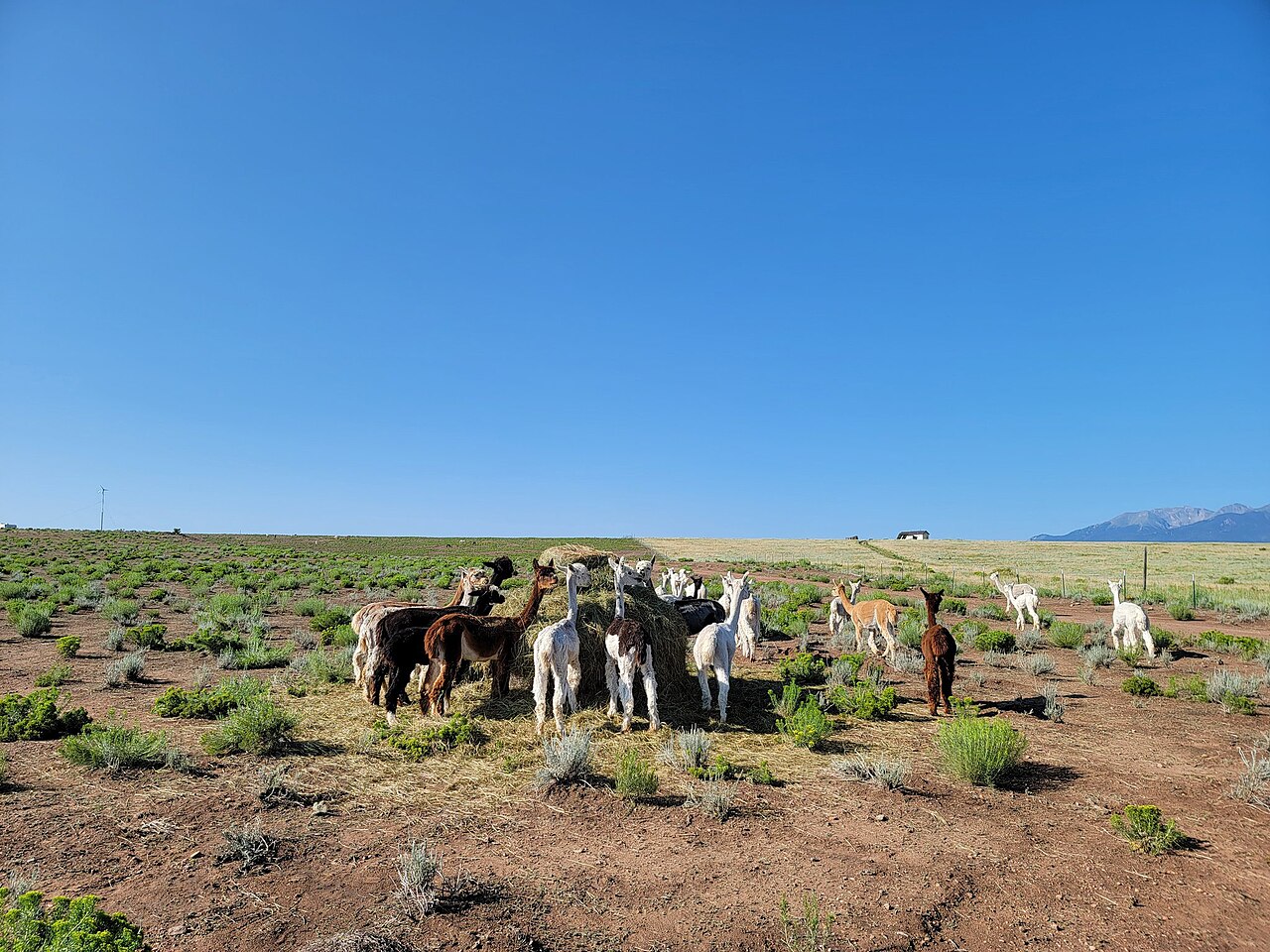
Keep alpacas with compatible company. They are social herd animals, but introductions, sex and reproductive status influence whether a group works. Observe whether every animal can eat and rest without repeated displacement. A quiet herd can still contain one animal that receives poor access.
Feel condition beneath the fleece
A full fleece can conceal both thinness and excessive condition. Learn appropriate hands-on assessment and combine it with appetite, movement and stage of production. Management of llamas and alpacas describes why visual body shape alone is unreliable.
Provide suitable forage and adjust the feeding plan for growth, late pregnancy and lactation. A breeding female supporting a cria may need different nutrition from an adult at maintenance. Test uncertain forage and obtain advice when condition is declining rather than assuming another supplement is the answer.
Keep camelid feed separate from products intended for other livestock. In particular, not every cattle or sheep pellet is suitable, and some livestock additives can be hazardous to camelids. Use products with a clear intended species and understand overlapping mineral ingredients before combining them.
Check that water is available to small, timid and newly introduced animals. Manage feeders so that feed remains clean and dominant alpacas cannot control the entire supply. A long trough is useful only if its placement allows the animals to approach and retreat comfortably.
Shearing and weather planning
Plan shearing with competent handlers, appropriate equipment and suitable weather protection. Shearing is an animal-care event as well as a fibre harvest. Check for cuts, skin disease and body-condition concerns while the fleece is removed, and have a plan for animals needing follow-up.
In hot weather, shade, water and appropriate fibre management matter. Look at the animals rather than relying on the forecast alone: an alpaca that is breathing abnormally, weak or unable to rise requires urgent assessment. Avoid unnecessary chasing or handling during heat.
Recently shorn animals and young crias may require different protection during cold wet weather. Make shelter usable for the entire group, with dry lying space and fresh air. A roof that protects only the boldest animals at the entrance is not providing equal refuge.
Feet, teeth and calm handling
Provide competent toenail care and assess the ground on which animals spend most of their time. Overgrown nails are one possible cause of altered movement; infection, injury and other disease can also produce lameness. Do not assume trimming is the treatment for every painful foot.
Dental care matters when chewing changes, feed is dropped or condition deteriorates. A camelid-experienced professional can assess whether further examination is needed. Avoid forceful improvised dental procedures.
Train routine movement and halter handling gradually. Proper fit matters, especially around the nose and breathing passages. Use pens and handling arrangements that reduce panic and provide safe positioning for both alpaca and handler. Familiar animals can still kick, bite or react suddenly when frightened or painful.
Breeding and cria development
Choose breeding animals for health, suitability and the capacity of the holding to rear their offspring. Prepare for birth with a knowledgeable contact and an appropriate clean area. A prolonged abnormal delivery is not a situation for repeated trial-and-error assistance.
Check the newborn’s ability to stand, stay warm and obtain colostrum. A cria may appear lively and still fail to nurse effectively. Weakness, persistent failure to feed, chilling or difficulty breathing needs prompt veterinary help. Code of welfare: llamas and alpacas provides further context for young-stock care and the management of weaning.
As crias grow, provide balanced nutrition, suitable companions and safe exercise. Weaning should be planned around established intake and manageable social arrangements. Avoid replacing maternal contact with inappropriate human interactions that make later handling unsafe.
Prevention and early intervention
Design parasite control with local advice and appropriate assessment rather than routine treatment borrowed from another species. Plan new arrivals, shared grazing and equipment movements around the herd’s health situation. Vaccination and mineral recommendations should also fit the location and animals.
Promptly investigate not eating, marked weight loss, breathing distress, severe lameness, straining without urine, nervous changes or collapse. A fleece can hide deterioration, making regular contact and condition assessment more informative than photographs alone.
Are alpacas miniature llamas?
They share useful camelid husbandry principles, but size, fibre and production purpose require attention. The llama overview addresses additional packing and guardian contexts.
Does more fleece mean a healthier alpaca?
No. Fibre volume cannot establish condition, comfort or disease status. Assess the animal beneath it and provide seasonal care.
Field guides for this animal
Browse all Alpaca field guides for husbandry advice, health explanations and practical farm routines.
Cite this reference
LivestockDefense. “Alpacas: fibre, feeding, shearing and herd health.” Updated 2026-11-02. https://livestockdefense.com/animals/alpacas/
Add the date you accessed the page. This identifies the current reference; keep a permitted saved copy if your work depends on its exact wording. A citation alone does not establish support for a claim.
How to cite a page and its revision ↗Sources & boundaries
Read the evidence in context.
These documents support the statements identified in this reference. Check their scope and dates when deciding whether they answer your question.
- Merck Veterinary Manual: Management of llamas and alpacas
Source update: 2021-10. Most recent check: 2026-10-28.
Bounded hub context: social groups, guard-llama grazing contacts, limits of visual body-condition assessment and ionophore feed hazards. No drug, nutritional dosing or restraint protocols reproduced.
- New Zealand Ministry for Primary Industries: Code of welfare: llamas and alpacas
Source update: Not provided. Most recent check: 2026-11-02.
Camelid welfare, cria husbandry and weaning; local legal scope remains New Zealand.