
Give the observation a location and a source
Use a stable fence-section or gate identifier and retain who saw the event. Describe the actual species or identification uncertainty. A distant image may show only an animal group; a remembered species name should not become a confirmed identification because it is familiar locally.
Keep the actual pasture occupants and relevant movement dates. An alpaca on today’s roster may not have occupied the area when the event occurred. Preserve the supported animal identity or true group precision instead of assigning a contact to every animal on the farm.
Draw the arrangement that existed then
Retain the real boundary, accessible water points, gates, drainage connections and temporary work. A design drawing or a photograph after repair should keep its own date. Neither should replace the arrangement during the observation.
Separate an observed opening from a possible route. A line drawn by an editor is not a completed technical inspection. Give the responsible veterinarian and facility adviser the supported map and its gaps; their current plan determines appropriate action.
| Record layer | Distinction to keep |
|---|---|
| Animal | Actual species, alpaca identity or supported group |
| Observation | Direct contact, shared access or nearby sighting |
| Boundary | Exact section and arrangement at the time |
| Movement | Which animals were present during the interval |
| Assessment | Attributed professional findings and instructions |
A deer trail beyond the pasture
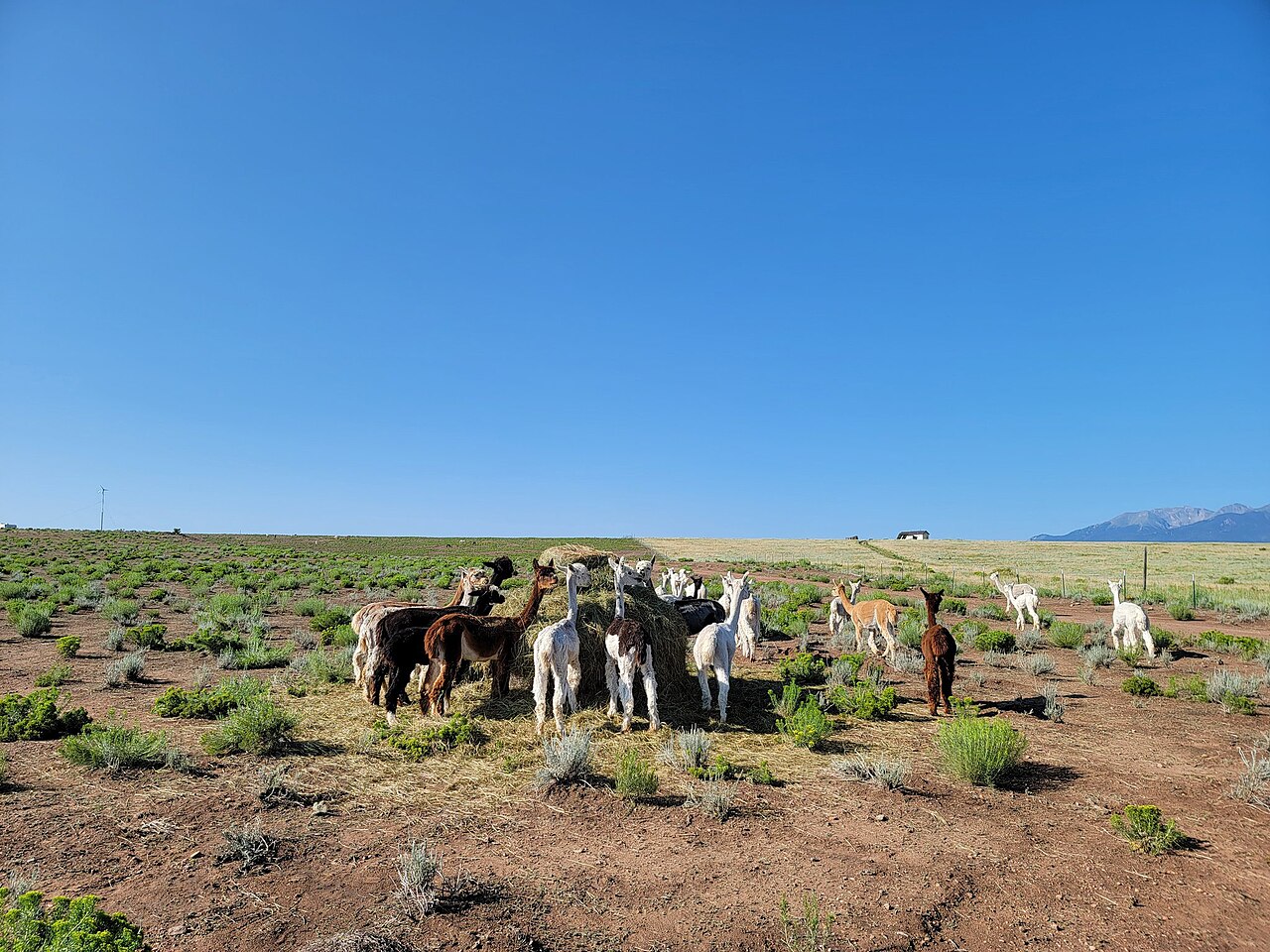
In a fictional alpaca pasture, a photograph shows deer using a trail beyond the fence. The site summary changes this to deer entered the alpaca water area. Nobody observed that entry, and the photograph does not show the relevant route.
Preserve the trail observation and obtain the appropriate route review. Keep any confirmed water access as its own event, including the actual time and animals represented. The correction neither dismisses the observation nor invents a contact or clinical consequence from it.
An unfamiliar livestock group at the fence
A second fictional record identifies livestock on the adjoining side. One worker reports a brief direct contact while another saw only the groups nearby. Retain both accounts, their viewing positions and the supported interval. They may concern different moments rather than competing descriptions of one continuously watched event.
Keep any introductions, temporary moves and shared equipment records with their actual dates. Do not make animals repeat a contact to clarify it. Current welfare concerns need appropriate veterinary attention while the earlier history is reconstructed.
Preserve decisions and outcomes separately
Record the advice received, its represented animals and actual implementation. A repaired boundary or changed access arrangement describes completed work. It does not establish which earlier contacts occurred or resolve each animal’s health history.
Follow any affected or assessed alpacas under their stable identities across moves. Protect detailed private fence maps and premises coordinates when preparing a public example. Use alpaca references, animal movement records and equipment allocation for related records. The account is useful when the professional can reconstruct the actual contact question without inheriting an unsupported diagnosis.
Turn the map into questions a site visit can answer
A boundary sketch becomes useful when each uncertain feature has a question attached. For example, does the photograph show the same corner as the maintenance note? Was a temporary gate present during the reported contact? Which alpaca group could reach the shared edge then? These are questions about a particular arrangement, not conclusions about infection.
Use separate marks for something seen, something reported by another person and something still to be inspected. A simple legend prevents a dotted possible route from becoming a solid confirmed route as the drawing passes between people. If the map is copied for a contractor, include its date and state which task that copy supports.
In a fictional review, one map places a water trough beside the boundary because that is where it stands today. Earlier photographs show the trough was elsewhere before repairs. The veterinary contact question concerns the earlier interval. Retaining two dated layouts immediately changes which shared-access questions remain open. It also identifies the practical need to check whether movement and maintenance records use the same fence-section names.
After the visit, add the actual findings and completed changes beside the original questions. A person unfamiliar with the farm should be able to see which uncertainty was resolved, which remains open and who owns the next action. That is more useful than repeatedly adding arrows to an undated whole-farm diagram.
Should every alpaca be listed as having contacted the visitor?
Use the narrowest group the observation supports. If only one animal is identified, retain that animal. If the evidence supports a pasture group but not individuals, preserve the group and its membership rather than invent exact contacts.
Can the public version show the full access map?
Decide what the public reader needs. A simplified drawing can explain the boundary issue while omitting private entrances, precise coordinates and access arrangements. Keep the complete operational map available to the professionals who actually need it.
Cite this reference
LivestockDefense. “Record alpaca boundary contacts and nearby wildlife activity.” Updated 2026-11-03. https://livestockdefense.com/guides/alpaca-fence-line-contact-with-unfamiliar-livestock/
Add the date you accessed the page. This identifies the current reference; keep a permitted saved copy if your work depends on its exact wording. A citation alone does not establish support for a claim.
How to cite a page and its revision ↗