
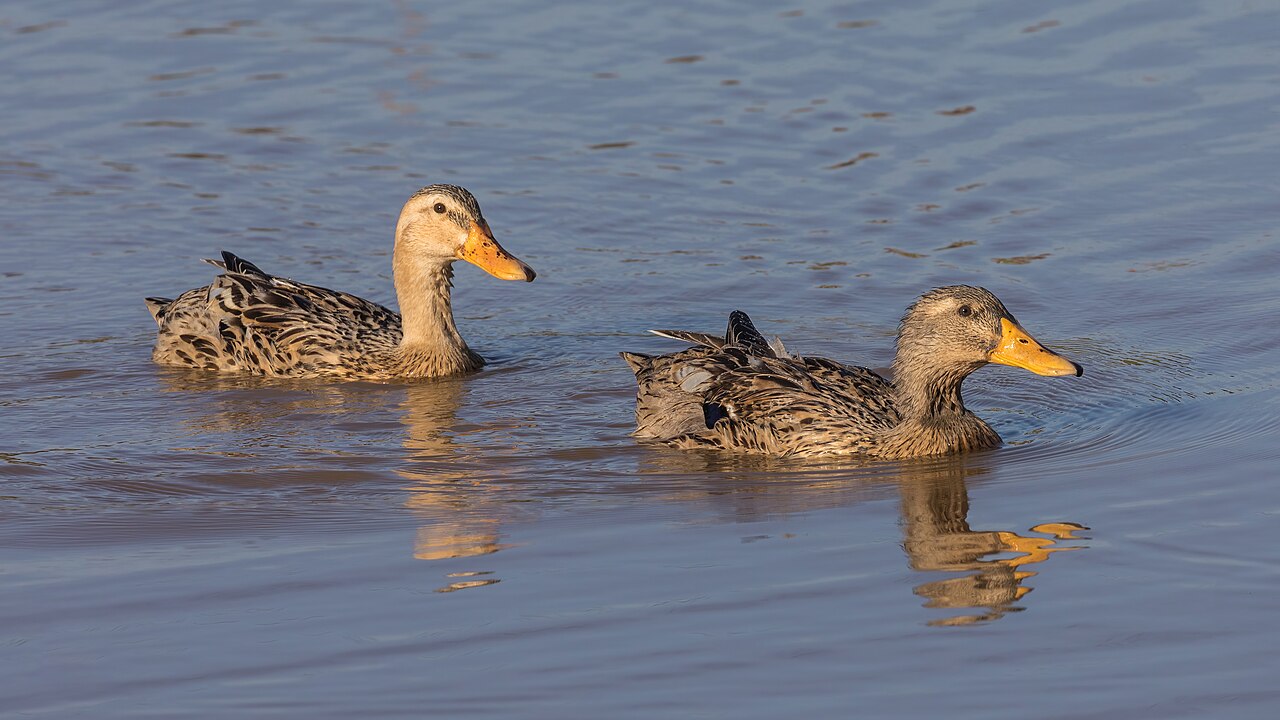
This reference uses the specific documents linked in the article and listed below. Check their scope, publication dates and the statements they support.
Animal at a glance
| Topic | Overview |
|---|---|
| Animal group | Waterfowl; domestic duck names cover different stock backgrounds |
| Production roles | Meat, eggs, breeding birds and hatchery stock |
| Life stages | Duckling, growing duck and breeding or laying adult |
Identify the ducks and their purpose
Ducks are kept for meat, eggs, breeding and mixed small-farm production. Common domestic duck strains and Muscovy ducks differ, so identify the birds before choosing growth or breeding expectations. The Muscovy overview provides the more specific starting point for that group.
Choose a flock size that the housing, water system and daily care can support. A successful small flock needs dependable feed and predator protection as well as enough land. Ducks can turn a small wet entrance into a heavily fouled area quickly, making drainage and movement routes important design decisions.
Brooding combines warmth with dryness
Prepare the brooding area before ducklings arrive. Provide suitable heat, dry nonslip footing, accessible feed and water. Duck housing and management emphasizes a warm, dry, draught-free starting environment with feeding resources close enough for newly placed ducklings to find.
Water access should be designed for young birds, not copied from an adult pond. Prevent chilling, exhaustion and accidental trapping. Monitor duckling distribution and activity to judge comfort, and check that every part of the group can eat and drink. The poultry brooding guide describes how resource access and litter interact.
As ducklings grow, adjust the environment rather than leaving them crowded around equipment sized for hatchlings. Do not assume that a bird with feathers can be placed abruptly in any outdoor weather. Use a planned transition that considers size, condition, shelter and local conditions.
Feed and water must work together
Use a complete feed suitable for ducks and their production stage. Grain, bread and kitchen leftovers are not a balanced replacement. Feed form and feeder design should accommodate the birds’ bills and feeding behaviour. Confirm the intended species for medicated or supplemented feeds rather than substituting another poultry ration without advice.
Clean drinking water must be available whenever birds are feeding. Design the system so ducks can drink normally while limiting litter saturation. Inspect drinkers for fouling, leaks and poor access. An oversized open container can create a management problem that a better water station would prevent.
Breeding and laying birds require nutritional support appropriate to egg production; growing meat birds have a different objective. Keep feed fresh and protected from rodents and wild birds. Avoid allowing hungry ducks to range around inaccessible feed simply because the feeder appears full from above.
Wet birds still need dry resting space
Waterfowl biology does not make persistently wet bedding acceptable. Provide absorbent litter, drainage around water stations and ventilation that removes moisture. Remove caked areas and correct their cause rather than repeatedly covering them. Management of backyard poultry discusses the welfare consequences of wet litter and poor air quality.
Keep sleeping areas protected from predators and severe weather. Consider how all birds enter at dusk and whether the route becomes muddy or slippery. A door that works for the first few ducks may become a bottleneck for a large group. Shade and clean water are also important in heat.
Where swimming or bathing water is provided, manage it as part of the farm system. Stagnant contaminated water is not automatically beneficial because ducks use it willingly. Avoid uncontrolled mixing with wild waterfowl and plan how water and manure will be handled without contaminating neighbouring resources.
Breeding, laying and flock compatibility
If producing hatching eggs, assess breeder condition, mating compatibility and egg hygiene. Excessive mating pressure can injure females, so watch the birds rather than relying only on a nominal sex ratio. Protect injured animals and review the grouping when feather loss or wounds persist.
Provide suitable nesting arrangements and collect eggs hygienically. Birds laying on a dirty wet floor create a practical problem that should be addressed through housing, nest access and flock management. Egg appearance alone does not establish food safety.
Plan the destination of ducklings before incubation. Hatchability, young-stock care and surplus birds all require resources. A productive breeder flock does not justify hatching more birds than can be raised or placed responsibly.
Prevention and early health action
Source stock responsibly and arrange introductions with appropriate separation. Keep equipment and footwear from transferring contamination between poultry groups. Ducks should not be assumed disease-free because some infections are less obvious in them than in chickens; mixed-species poultry keeping needs particular care.
Seek prompt veterinary or animal-health advice for sudden deaths, difficulty breathing, nervous signs, marked weakness, persistent diarrhoea or a sharp decline in feed or egg production. Foot and skin damage also merit attention before they become severe. Avoid moving affected birds while a contagious concern is being investigated.
Do ducks need dry bedding if they like water?
Yes. Drinking, bathing and resting are different activities. The housing should meet water-related needs while preserving a clean, dry place to rest.
Can ducklings follow a chicken feed plan unchanged?
Do not assume so. Confirm nutritional suitability, feed additives and the supplier’s intended species, and use duck-specific advice when uncertain.
Field guides for this animal
Browse all Duck field guides for husbandry advice, health explanations and practical farm routines.
Cite this reference
LivestockDefense. “Ducks: meat, eggs, water access and flock care.” Updated 2026-11-02. https://livestockdefense.com/animals/ducks/
Add the date you accessed the page. This identifies the current reference; keep a permitted saved copy if your work depends on its exact wording. A citation alone does not establish support for a claim.
How to cite a page and its revision ↗Sources & boundaries
Read the evidence in context.
These documents support the statements identified in this reference. Check their scope and dates when deciding whether they answer your question.
- FAO: Small-scale poultry production: feed resources
Source update: Not provided. Most recent check: 2026-11-02.
Bounded species biology, feeding context and production or husbandry statements attributed to this document in the animal overview sections. No numerical feeding, medication, restraint or breeding protocol reproduced.
- FAO: Small-scale poultry production: species and breeds
Source update: Not provided. Most recent check: 2026-11-02.
Bounded species biology, feeding context and production or husbandry statements attributed to this document in the animal overview sections. No numerical feeding, medication, restraint or breeding protocol reproduced.
- Merck Veterinary Manual: Management of backyard poultry
Source update: Not provided. Most recent check: 2026-11-02.
Dry litter, ventilation, clean water and complete life-stage feed.
- Cornell University College of Veterinary Medicine: Duck housing and management
Source update: Not provided. Most recent check: 2026-11-03.
Document scope and recorded checks
Warm dry brooding, nearby feed/water and avoiding overcrowding.
Entries retain the date and scope of each recorded inspection.
- 2026-11-03 — Ducks require dry sheltered resting areas and special attention to litter moisture; duck water use differs from chickens. No fixed stocking or equipment values transferred.
Exact primary/official publisher page or its indexed text inspected for these bounded statements on 2026-11-03.
- 2026-11-02 — Warm dry brooding, nearby feed/water and avoiding overcrowding.
Primary page or indexed primary-source excerpt inspected for the listed bounded subject; not a comprehensive clinical review
- 2026-11-03 — Ducks require dry sheltered resting areas and special attention to litter moisture; duck water use differs from chickens. No fixed stocking or equipment values transferred.