
This reference uses the specific documents linked in the article and listed below. Check their scope, publication dates and the statements they support.
Animal at a glance
| Topic | Overview |
|---|---|
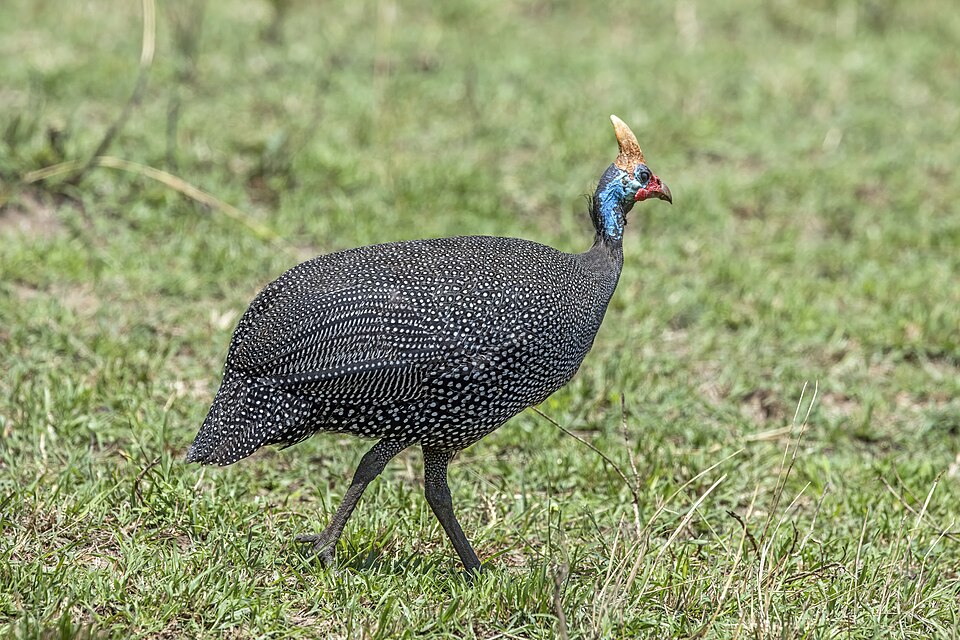
| Animal group | Gallinaceous birds, biologically unrelated to guinea pigs |
| Production roles | Food birds, eggs and breeding stock |
| Life stages | Keet, growing bird and breeding adult |
An active bird still needs a managed home
Guinea fowl can range widely and react strongly to disturbance. University of Kentucky Extension recommends shelter against weather and predators and describes their preference for roosting. A flock that finds some insects outdoors still needs a dependable feeding and watering system.
Choose a location where birds can be contained without continual conflict with roads, neighbors or other livestock units. Establish safe shelter and access before expecting newly acquired birds to remain at home. A tall roost is useful only when the birds can reach it safely and the building remains dry and ventilated.
Keets require more care than a hardy adult suggests
Start keets in a clean, prepared brooder with suitable warmth, dry footing and protection from drafts. Watch their distribution and activity to judge whether the environment works. A group that crowds, piles or avoids part of the brooder needs attention even if the thermostat shows the intended setting.
Use drinkers designed for small birds and keep wet areas away from the main resting space. Ensure every keet finds feed and water. Do not transfer very young birds onto damp grass merely because adults range successfully. As they grow, reduce dependence on supplementary heat in a way that reflects feathering, weather and their behavior. See the quail and guinea-fowl brooding guide.
Complete feed first, foraging second
Choose a ration appropriate to guinea fowl and the growth stage. Foraging makes a variable contribution: its quality changes with season, weather, available plants and the area actually used. It should not be assumed to fill every gap left by an unsuitable ration.
Read feed labels for both intended species and medication. MSD's gamebird nutrition chapter notes species differences, including a monensin toxicity concern in guinea fowl. A medicated chicken feed is therefore not a routine substitution. Ask the veterinarian or feed supplier to verify suitability before feeding, not after the bag is open.
Keep water available at the shelter and any managed ranging area. Dirty puddles are not a reliable supply. Place feeders to discourage contamination by wild birds and rodents, and remove spilled feed that attracts them.
Design the range and shelter as one system
Outdoor access introduces predation, escape and contact with wild birds. Inspect fencing, overhead risks and the condition of the ground near doors. Move or maintain heavily used areas so birds do not repeatedly enter through mud and standing water.
Have a workable plan to confine the flock when weather, disease precautions or local orders require it. A shelter sized only for night roosting may become crowded during daytime confinement. Provide appropriate floor space, feed access and environmental interest so confinement does not create a second welfare problem.
Breeding and egg management
Provide suitable nesting opportunities and collect table eggs regularly. Hidden outdoor nests make both egg hygiene and predator protection harder. If hatching eggs, use species-appropriate incubation guidance and select sound, compatible breeders.
Breeding success should include healthy keets and manageable group behavior. Watch females for mating injuries and subordinate birds for exclusion. Separate persistently aggressive individuals using a considered flock plan rather than repeatedly moving the injured bird back into the same situation.
Respond early to illness
A bird that stops keeping up, sits persistently apart, breathes with effort or develops unusual droppings needs closer assessment. Unexpected deaths or neurological signs warrant prompt veterinary or animal-health authority advice. Avoid transporting or selling from a flock with unexplained illness while deciding whether a condition reference matches.
Will guinea fowl live entirely on ticks and insects?
Do not rely on that claim. Forage intake is variable and does not demonstrate a balanced diet. Provide suitable complete feed and assess the flock's condition.
Can adult hardiness guide keet brooding?
No. The needs of newly hatched keets differ substantially from those of feathered, established adults.
Continue reading
Field guides for this animal
Browse all Guinea fowl field guides for husbandry advice, health explanations and practical farm routines.
Cite this reference
LivestockDefense. “Guinea fowl: keet brooding, feeding, ranging and health.” Updated 2026-11-02. https://livestockdefense.com/animals/guinea-fowl/
Add the date you accessed the page. This identifies the current reference; keep a permitted saved copy if your work depends on its exact wording. A citation alone does not establish support for a claim.
How to cite a page and its revision ↗Sources & boundaries
Read the evidence in context.
These documents support the statements identified in this reference. Check their scope and dates when deciding whether they answer your question.
- MSD Veterinary Manual: Nutrition in quail, pheasants, turkeys and other gallinaceous birds
Source update: Not provided. Most recent check: 2026-11-02.
Bounded species biology, feeding context and production or husbandry statements attributed to this document in the animal overview sections. No numerical feeding, medication, restraint or breeding protocol reproduced.
- University of Kentucky / Poultry Extension: Raising guinea fowl in small and backyard flocks
Source update: Not provided. Most recent check: 2026-11-02.
Keet brooding, flock ranging, roosting and supplemental nutrition.