
This reference uses the specific documents linked in the article and listed below. Check their scope, publication dates and the statements they support.
Animal at a glance
| Topic | Overview |
|---|---|
| Animal group | Several gallinaceous birds occur under partridge market names |
| Production roles | Farmed food birds and breeding stock |
| Life stages | Breeder group, hatchery lot and growing food birds |
Name the partridge and the production system
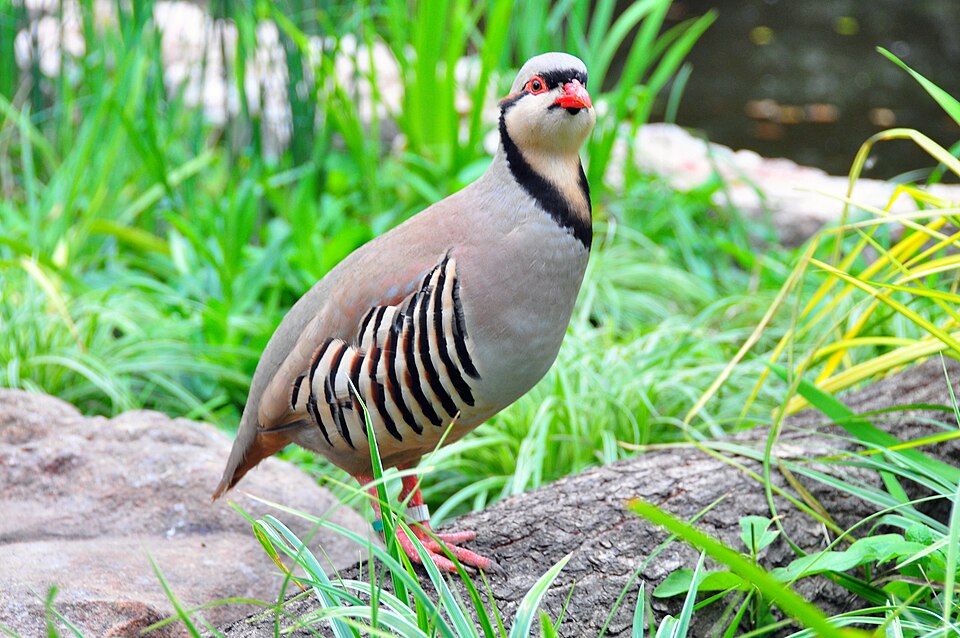
Chukar, Hungarian or grey partridges and other birds called partridges differ in background and husbandry. Identify the breeding stock before choosing technical advice. Alabama Extension's gamebird feeding guide makes the distinction between species and feeding stages explicit.
A meat-production flock should have a lawful source of stock, a suitable processing route and facilities matched to its planned size. Do not expand merely because eggs are available. Brooding capacity, grow-out space and the ability to keep groups separate are often different limits within the same farm.
Brood chicks where every bird can reach the essentials
Prepare the enclosure, heat and water equipment before hatch or delivery. Use dry, secure footing and an arrangement that permits chicks to move away from the warmest zone. Their distribution helps reveal a cold edge, a draft or excessive heat that a room thermometer may miss.
Provide small-bird drinkers that reduce drowning and spillage risk and feed that chicks can physically consume. Observe weaker birds at the feeding point; seeing a few active chicks eating does not establish access for the entire group. Remove wet bedding promptly and correct the source of the leak.
Increase usable space as birds grow. A brooder that worked for newly hatched chicks can become crowded enough to impair feeding and movement before the keeper sees a dramatic rise in mortality. Plan the next enclosure in advance rather than moving birds prematurely into unsuitable outdoor weather.
Use the right feed, then protect its quality
Choose starter, growing and breeder diets suitable to the particular partridge. MSD's gamebird nutrition discussion is a useful reference for why a generic poultry ration may not fit.
Keep complete feed from being heavily diluted with grain or treats. Check the label for medication and intended species. Clean water and sufficient feeding positions are essential; a good formulation cannot compensate for an empty drinker or a dominant bird guarding the only feeder.
Store ingredients away from damp and pests. When a new feed is introduced, check acceptance and the birds' ability to eat its particle size. Avoid changing several things at once in response to poor growth: first review actual intake, water, temperature, competition and health with the adviser responsible for the flock.
Pen design should allow retreat without trapping birds
Use fencing and overhead protection appropriate to escape behavior and local predators. Small gaps at doors, drainage channels and net joins deserve frequent inspection. Remove sharp wire ends and objects that can catch a startled bird.
Provide suitable visual cover and sufficient open movement space. A subordinate bird should be able to move away and still find feed and water. Observe birds during the period when breeding behavior changes; a previously stable group may no longer be compatible. Injured birds need safe recovery space and the cause of injury must be addressed before return.
Dry ground and ventilation help keep the environment suitable. If the range becomes muddy or heavily soiled, a larger nominal area does not necessarily provide more useful space. Maintain the ground around feeders and shelters first, since these are often the most heavily used locations.
Build prevention into routine care
Keep new stock separate while its health is assessed, protect feed against wild-bird contamination and avoid sharing dirty crates between age groups. A veterinary plan should address local infections and parasites rather than using a fixed calendar copied from another region.
Seek prompt help for breathing difficulty, persistent diarrhea, neurological signs, severe pecking injury or unexpected deaths. Do not presume that every thin bird has parasites or that every feather lesion is a management problem.
Can all partridges use the same ration?
No. Species, age and whether birds are growing or breeding affect the choice. Confirm the product's suitability with a qualified supplier or adviser.
Will adding a second feeder solve competition?
Only if it is accessible. Place it so one aggressive bird cannot control both stations from the same narrow area.
Continue reading
Cite this reference
LivestockDefense. “Farmed partridges: species, brooding, feeding and pen care.” Updated 2026-11-02. https://livestockdefense.com/animals/partridges/
Add the date you accessed the page. This identifies the current reference; keep a permitted saved copy if your work depends on its exact wording. A citation alone does not establish support for a claim.
How to cite a page and its revision ↗Sources & boundaries
Read the evidence in context.
These documents support the statements identified in this reference. Check their scope and dates when deciding whether they answer your question.
- MSD Veterinary Manual: Nutrition in quail, pheasants, turkeys and other gallinaceous birds
Source update: Not provided. Most recent check: 2026-11-02.
Bounded species biology, feeding context and production or husbandry statements attributed to this document in the animal overview sections. No numerical feeding, medication, restraint or breeding protocol reproduced.
- Alabama Cooperative Extension System: Feeding game birds: pheasant, quail and partridge
Source update: Not provided. Most recent check: 2026-11-02.
Species and production-stage feeding; gamebird starter versus growing and breeder diets.