
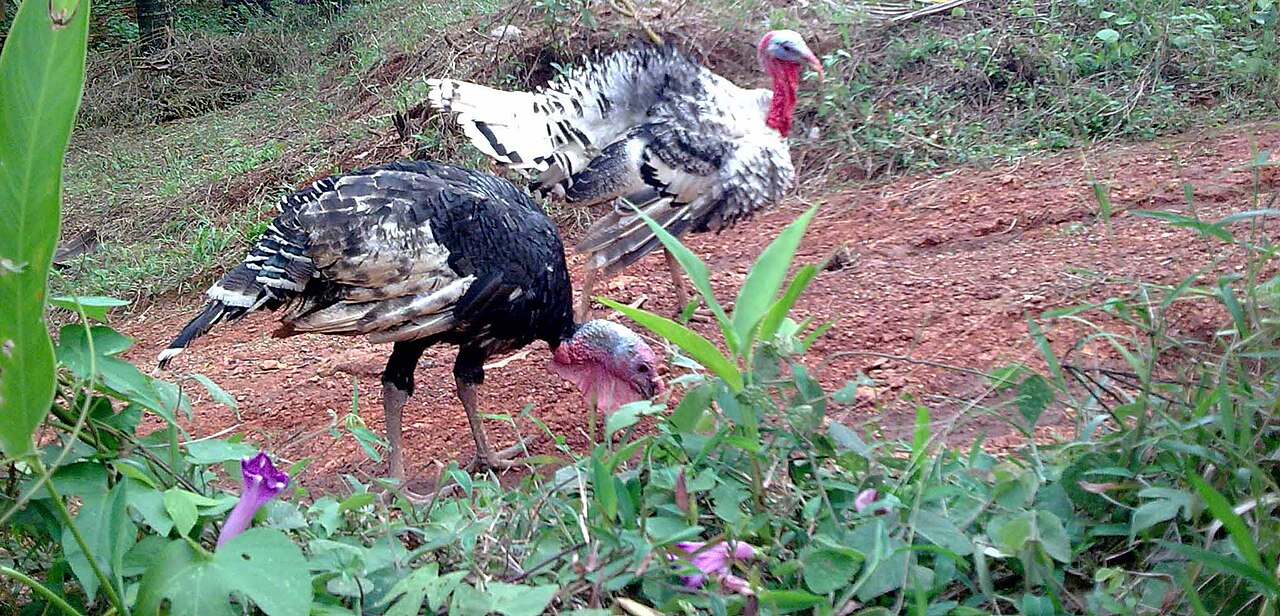
This reference uses the specific documents linked in the article and listed below. Check their scope, publication dates and the statements they support.
Animal at a glance
| Topic | Overview |
|---|---|
| Animal group | Gallinaceous poultry; a separate feeding subject from chickens |
| Production roles | Meat birds and breeding stock |
| Life stages | Poult, growing bird and breeding adult |
Match the turkey to the enterprise
Commercial meat strains and slower-growing heritage varieties differ in growth and production expectations. Choose stock according to the intended product, processing access, facilities and daily care available. A seasonal market does not remove the need for suitable housing throughout the growing period.
Arrange feed supply before poults arrive. Turkey starter and later phase feeds may be less readily available than chicken feeds in some areas. Buying birds first and searching for suitable feed afterward creates an avoidable risk. Small-flock turkey production provides a small-flock production context; old costs or regulatory examples in that source should not be treated as current local requirements.
Poult brooding deserves close attention
Prepare a clean, dry, preheated brooding area before delivery. Newly placed poults need to find feed, water and a comfortable resting zone promptly. Inspect their actual use of resources rather than assuming arrival in a prepared room means the setup is working.
Observe distribution and behaviour. Persistent piling, huddling, avoidance of heat or poor activity needs investigation. Avoid draughts at poult level while maintaining ventilation. Equipment should be securely installed and checked after weather changes or power failures. The poultry brooding guide develops those interacting needs.
Use footing that supports young legs rather than a slick surface. Adjust space and resources as poults grow. A brooder that suited the initial placement becomes inadequate if birds crowd around a few feeders or resting areas. Sudden noise and poorly planned handling can cause panic, so establish a calm routine.
A turkey diet is more than a protein percentage
Use a complete feed appropriate for turkey age and purpose. A bag’s crude-protein number is only part of its formulation. Minerals, vitamins, amino-acid balance, energy and feed form also matter. Do not dilute a complete ration with substantial grain without having the resulting diet assessed.
Maintain fresh feed and accessible clean water. Examine feeder height, distribution and competition as the birds become larger. A water supply sized for small poults may not serve the same flock later in life. Check water delivery during hot periods rather than judging it only when demand is low.
Growth should remain connected to welfare. Observe gait, feet, access to resources and ability to rest comfortably. A heavy bird that struggles to reach water is not a satisfactory result merely because its live weight meets a target. Seek advice early for recurring leg problems or uneven development.
Litter and ventilation become more demanding with size
Dry, absorbent litter and good air exchange help maintain comfortable resting conditions. Correct leaking drinkers, remove wet caked patches and address the cause. Simply adding bedding over a recurring wet spot leaves the environment progressively harder to manage.
Avoid closing ventilation completely in cold weather. Moisture and gases still need removal. In heat, consider shade, water delivery, air movement and the body size of the birds. A temperature that young birds tolerated may produce a very different situation in a heavy finishing flock.
Outdoor areas need secure fencing, predator protection and shelter. Move or manage heavily used sites so birds are not confined to contaminated mud. Ranging is not a substitute for supplying a suitable complete feed or observing the flock daily.
Keep turkey health distinct from chicken health
Plan separation from chickens and other poultry using professional advice. Some disease concerns are particularly important when turkeys share land or equipment with chickens. Source poults responsibly and ask about the health programs relevant to the local situation. Backyard turkey health discusses disease prevention and the value of reliable sources.
Do not respond to illness by moving turkeys among several flocks or selling affected birds. Control traffic, keep equipment from carrying contamination between groups and arrange veterinary assessment. A healthy-looking flock can still require biosecurity; prevention is not limited to visibly sick birds.
If keeping breeders, plan mating, egg handling, incubation and the rearing of offspring as a separate undertaking. The facilities needed for growing market birds do not automatically meet the requirements of a continuing breeding flock.
When a change needs prompt assessment
Seek help for sudden mortality, severe breathing difficulty, marked depression, nervous signs, persistent diarrhoea, inability to walk normally or a rapid fall in feeding and drinking. Check equipment failures immediately while arranging appropriate professional advice. Several causes can produce similar signs, so avoid treating one familiar disease name as a diagnosis.
Can turkeys use the same starter as chicks?
Only if a qualified supplier confirms that it is suitable for the turkeys and their stage. The easiest feed to buy is not necessarily the right feed.
Does outdoor rearing prevent disease?
No. It changes exposure and environmental conditions. Weather, wild birds, soil, other poultry and resource access still require management.
Field guides for this animal
Browse all Turkey field guides for husbandry advice, health explanations and practical farm routines.
Cite this reference
LivestockDefense. “Turkeys: poults, feeding, growing flocks and health.” Updated 2026-11-02. https://livestockdefense.com/animals/turkeys/
Add the date you accessed the page. This identifies the current reference; keep a permitted saved copy if your work depends on its exact wording. A citation alone does not establish support for a claim.
How to cite a page and its revision ↗Sources & boundaries
Read the evidence in context.
These documents support the statements identified in this reference. Check their scope and dates when deciding whether they answer your question.
- MSD Veterinary Manual: Nutrition in quail, pheasants, turkeys and other gallinaceous birds
Source update: Not provided. Most recent check: 2026-11-02.
Bounded species biology, feeding context and production or husbandry statements attributed to this document in the animal overview sections. No numerical feeding, medication, restraint or breeding protocol reproduced.
- Merck Veterinary Manual: Management of backyard poultry
Source update: Not provided. Most recent check: 2026-11-02.
Dry litter, ventilation, clean water and complete life-stage feed.
- Penn State Extension: Small-flock turkey production
Source update: Not provided. Most recent check: 2026-11-02.
Turkey-specific brooding, phase feeds and separation from chickens; old prices and legal exemptions excluded.
- Penn State Extension: Backyard turkey health
Source update: Not provided. Most recent check: 2026-11-02.
Source prevention, reputable poults and Mycoplasma transmission.