
This reference uses the specific documents linked in the article and listed below. Check their scope, publication dates and the statements they support.
Make a site correction serve the birds that need it
The immediate practical question is whether an affected goose can use its normal resources comfortably. Report its ordinary movement and any serious deterioration to the veterinarian, without catching or cleaning the bird simply to improve a website-derived checklist. An unseen foot surface remains unassessed.
RSPCA waterfowl guidance emphasizes suitable grazing and fresh water for geese. A changed route should preserve those needs. Closing a muddy gate is not a complete improvement if the alternative makes resources less accessible to an already affected bird.
Consider a fictional property where workers redirect the flock through another entrance. The original gate becomes quiet and no new photographs are taken there. That is evidence of changed traffic, not a clinical outcome. The affected goose’s follow-up now belongs along the new route and wherever it rests or receives care.
The facility adviser can assess the physical route while the veterinarian assesses the animal. These tasks may lead to useful action before the causal link is fully established. A repaired gate need not be dismissed because cause remains uncertain, but its completion should not be described as a diagnosis or proof of healing.
Agree how the next caretaker identifies the same goose and reports continuing concern. Where identities remain uncertain, retain an honest group-level account rather than a precise cumulative case count. The useful review keeps care, bird identity and actual access together, with private image context preserved and any public photograph considered separately.
Start with geese and the view that was possible
Identify the geese and the actual group represented. Retain individual identity where supported, or use an honest group description when birds cannot be reliably distinguished. Several photographs of the same goose should not become several affected birds. Birds entering or leaving the group need their own dated records.
Describe what was noticed during ordinary activity: a change in movement, a visible area of skin or a bird remaining apart from the group. Keep the time and viewing conditions. A muddy covering or a distant view can limit what is visible. Do not catch, turn over or clean a bird solely to complete a website-derived checklist; ask the professional what assessment is appropriate.
Draw the route the flock actually used
Map the gate, paths, enclosure, water access and other occupied areas. Retain when standing water or soft ground was actually documented. A photograph taken after the event establishes the condition at that later time; it cannot automatically reconstruct the earlier surface.
Keep actual access and route changes beside group membership. Some geese may have used another entrance, while others arrived after the muddy interval. The whole flock should not receive the same exposure entry simply because the gate belongs to its enclosure.
Distinguish an observed physical defect from a professional explanation of the birds’ condition. A repair may be appropriate for the site, but its completion does not diagnose the foot concern. The care plan and the property work need their own responsible people and records.
A muddy gate with an incomplete count
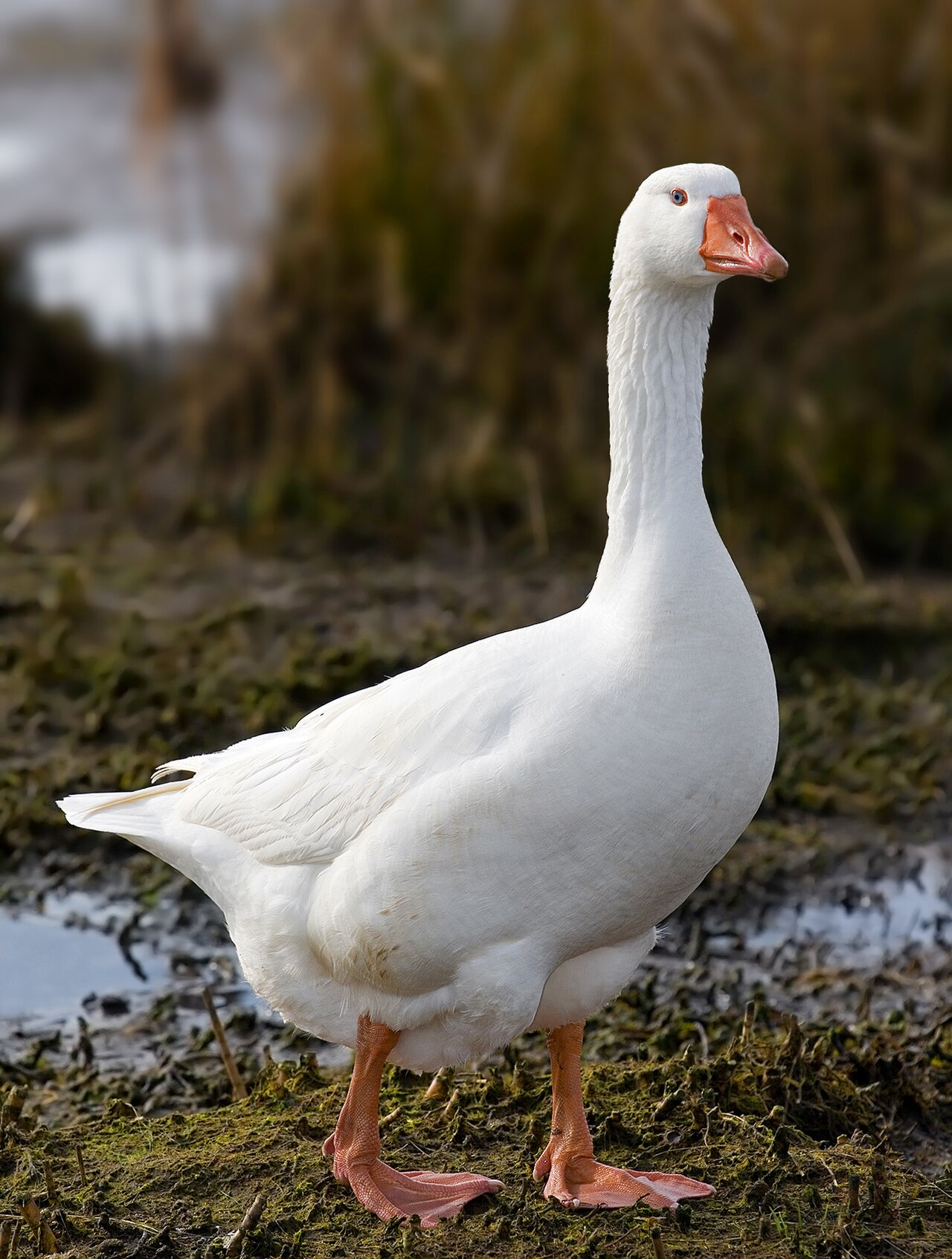
In a fictional flock, three birds are described as limping at the gate during repeated visits. The log calls this three new cases each day. One goose has a recognizable marking and appears in several images; the other identities remain uncertain. Some visits only show the flock from above.
Retain the repeated identified goose, the uncertain observations and the actual viewing limits. Do not turn missing foot views into negative assessments. A useful summary can say that the count of distinct affected birds is unresolved while still reporting the welfare concern promptly.
Follow the birds through a site change
If trained staff change the route under the site’s plan, retain the time and the birds’ actual locations afterward. A lower number of observations at the original gate may simply mean fewer geese pass it or fewer staff watch it. Keep follow-up connected to identified birds where possible.
Preserve the veterinarian’s findings and any later revised interpretation under their actual dates. Avoid naming a pathogen from a photograph or declaring a shared cause because several birds use the same enclosure. The record should support, rather than pre-empt, that assessment.
The geese hub is the appropriate host reference. For sharing photographs, use the image privacy workflow. Keep the private case history detailed enough to connect an image to a goose while reviewing any public version separately.
Common questions
Does mud prove the cause of foot irritation?
No. It is site context for the professional assessment.
Does fewer sightings at the old gate mean recovery?
Not if traffic or observation changed. Follow the actual geese.
Should a hidden foot be marked normal?
No. Preserve the viewing limitation and ask what assessment is appropriate.
Cite this reference
LivestockDefense. “Geese with foot irritation at a muddy gate: care and route review.” Updated 2026-11-03. https://livestockdefense.com/guides/a-goose-flock-with-foot-irritation-at-a-muddy-gate/
Add the date you accessed the page. This identifies the current reference; keep a permitted saved copy if your work depends on its exact wording. A citation alone does not establish support for a claim.
How to cite a page and its revision ↗Sources & boundaries
Read the evidence in context.
These documents support the statements identified in this reference. Check their scope and dates when deciding whether they answer your question.
- RSPCA: Keeping ducks and geese as pets
Source update: Not provided. Most recent check: 2026-11-03.
Geese need appropriate grazing, species-appropriate feed and clean fresh water; welfare concerns warrant veterinary advice. No live UK alert status or numerical housing requirements transferred.