
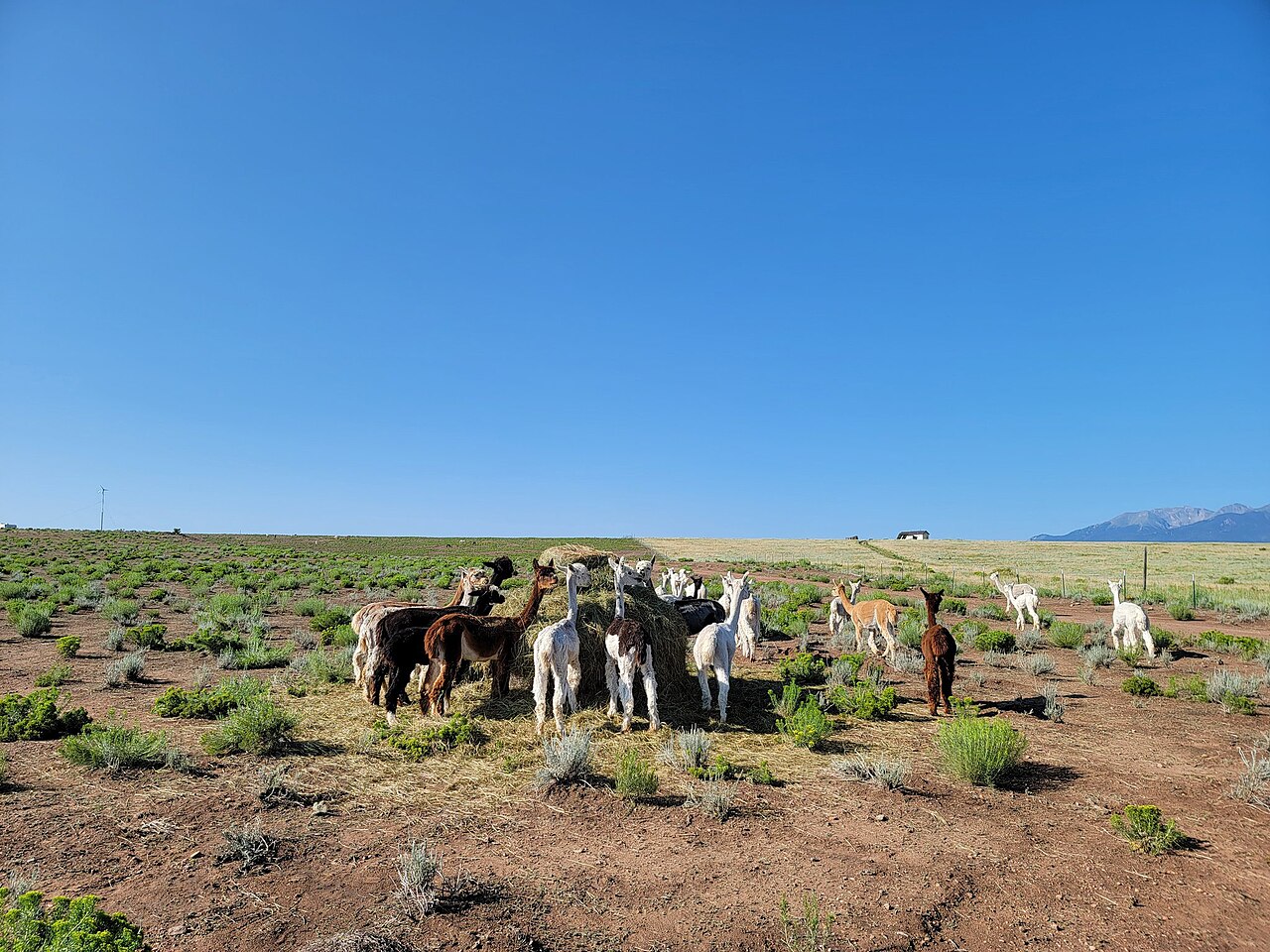
Draw the feeding area in use
Mark feed placement, drinkers, entrances, drainage, shelter and the routes animals actually take. Identify standing water, mud or damaged surfaces with dates and observation limits. A general photograph may show the area but not explain where water came from or how long it remained.
Keep group membership and feeding access visible. A shared location does not establish identical intake or contact for every alpaca. Record barriers, crowding observations or missed access as actual findings rather than assuming the nominal feeding arrangement was achieved.
Separate water sources
Distinguish rainfall, runoff, drinker faults, washing and uncertain sources. Preserve maintenance findings and timing. A leaking component may be present alongside another source, so identifying one should not automatically close the whole review.
| Review component | Detail to preserve |
|---|---|
| Wetness | Location, extent, time and persistence |
| Feed | Actual placement, lot and condition observed |
| Access | Groups and individual exceptions known |
| Maintenance | Demonstrated fault, repair and check |
| Health | Direct observations and professional assessment |
Ask a defined professional question
Provide the camelid-aware veterinarian or relevant adviser with the map, feed and movement history. Ask which findings require further assessment and which changes are appropriate. This guide gives no drainage specification, mineral adjustment, treatment or sampling procedure.
If animals are unwell, obtain prompt care advice while the area is reviewed. Do not wait for a clean before-and-after comparison or use a tidy surface as evidence that all clinical concerns are resolved. Care and facility work may proceed on different timelines.
Work through an incomplete repair
In a fictional herd, a drinker leak is repaired but the area remains wet after rain. The record should retain both the repaired fault and the later water pattern. “Leak fixed” is a valid maintenance statement, while “wet-area problem eliminated” may not yet be supported.
Map the subsequent route and review it with the responsible adviser. If feed is moved temporarily under advice, record the new location and actual group access. Otherwise, a later change in animal observations may be interpreted without the intervening feeding arrangement.
Verify the arrangement through ordinary work
Check the area at relevant times, including after feeding or rainfall where appropriate. Record the scope of each review and any unobserved interval. A single dry inspection cannot describe all conditions during the week.
Use the alpaca hub, water-supply review and feed traceability guide for related records. Keep the specific animal, feed, water and surface findings connected without collapsing them into a vague diagnosis of “wet-area disease.”
Distinguish delivered feed from accessible feed
Record where feed was placed and any directly observed obstruction or animal-access problem. A delivery total does not establish what each alpaca consumed. If a temporary feeding point is used, preserve its membership and timing so a later group comparison does not assume an unchanged feeding environment throughout the event.
Test whether the proposed fix addresses the observed problem
Write the maintenance question in plain language before choosing a solution. Is water escaping from a fitting, arriving from outside the feeding area, remaining after washing or pooling where animals stand? An answer such as “the pen is wet” identifies a condition but not the task a contractor or herd manager needs to perform.
Place a few dated observation points on the sketch so later checks refer to the same locations. These can describe ordinary visible conditions without becoming a new technical measurement system. If the photograph shows mud at the feeder entrance while a written check concerns the sheltered resting edge, keep those locations separate. Improvement at one point may leave the other unresolved.
In an illustrative alpaca unit, a temporary feeder is moved to a dry corner during repair. Most animals use it, but one familiar access route is blocked by stored materials. A record that says “feed moved to dry area” misses the access question. A more useful check asks whether the intended animals can reach the replacement arrangement and which worker will notice an exception. Obtain the appropriate advice about the arrangement rather than using a dry surface as its only success criterion.
Close the task with the conditions under which it was checked. A fitting can be repaired and checked during ordinary use while the rain-related question remains open for a later observation. Distinct closure criteria make maintenance accountable and prevent repeated reopening of a correctly completed repair for a different water source.
Should the whole herd be described as having the same exposure?
Only to the level supported by actual access. Animals may use different feeding points or occupy the area at different times. Preserve those differences when they are known and avoid inventing individual histories where only a group record exists.
Does one dry morning show the area is fixed?
It shows the condition during that check. Compare it with the circumstances that originally produced concern, and leave unobserved conditions explicit rather than treating a convenient inspection time as the whole operating history.
Cite this reference
LivestockDefense. “Map an alpaca herd’s wet feeding area and actual access.” Updated 2026-11-03. https://livestockdefense.com/guides/alpaca-herd-with-a-shared-wet-feeding-area/
Add the date you accessed the page. This identifies the current reference; keep a permitted saved copy if your work depends on its exact wording. A citation alone does not establish support for a claim.
How to cite a page and its revision ↗