
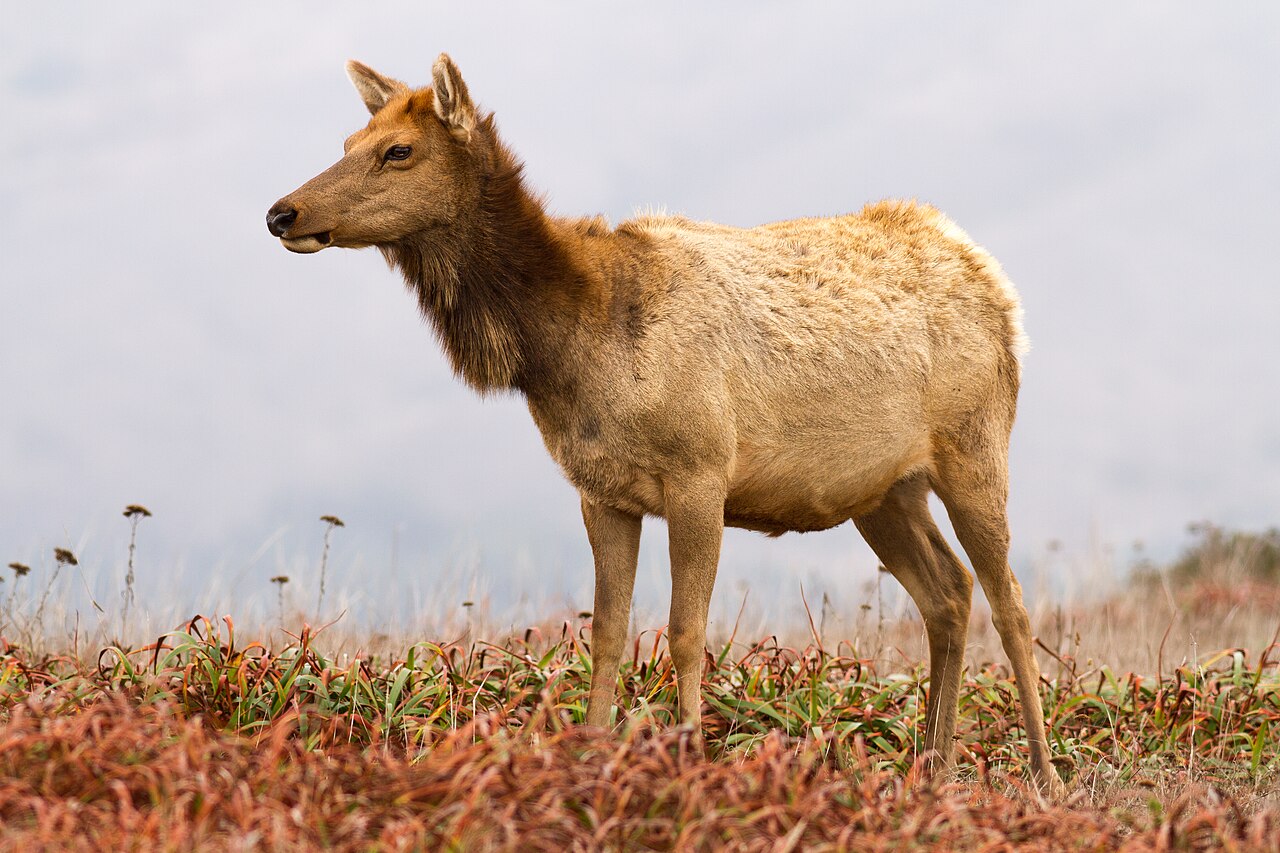
Define scarcity in the record
A short delivery, a depleted storage area, a changed forage product and a pasture with limited documented availability are different events. Keep the source, dates and actual quantities with the units used. An accounting shortfall should not automatically become a measured nutrient deficit in every elk.
Preserve the history of earlier material and replacements. If the forage source changed, retain the actual lot or field identity and known use interval. A purchase order records intent to obtain feed; a receipt records delivery; neither alone establishes individual consumption.
Match the account to the actual elk group
Record group membership and movement dates, with age, sex or reproductive stage where known from supported records. A whole-herd average can hide changes in the composition of the population. Identify the animals behind any measured condition or weight series rather than substituting the current herd list for last month's group.
Retain the method and observer for condition descriptions. A visual impression and an actual measurement have different bases. Keep qualified assessment findings as issued, without converting a general herd description into an individual examination.
Access is a separate observation
Preserve ordinary observations of which elk approached or used the feeding area and over what interval. Record interactions as events before naming a social explanation. The presence of feed in a location does not establish that every animal reached it.
Do not create a new handling, restraint or capture task to complete the spreadsheet. The responsible elk-experienced team determines assessment and care methods. Existing observations can still be documented with clear limits on identity and coverage.
A fictional before-and-after average
Imagine five elk with condition measurements in an earlier period. Before the next round, two of those animals leave and three different animals join. The two group averages describe different sets of animals. Preserve the individual paired results where they exist, then describe the separate group-composition change.
The same principle applies to forage totals. A larger feed delivery after a group grows does not, by itself, show that feed available per animal increased. Retain both the inventory and the relevant population rather than drawing a conclusion from one total.
| Account | What it can describe |
|---|---|
| Storage inventory | Material recorded at a place and time |
| Delivery | Product received, quantity and date |
| Access observation | Animals and interval actually seen |
| Individual record | Method, animal and actual measurement |
| Professional finding | Stated assessment and scope |
Keep the agreed plan and outcome distinguishable
Retain professional nutrition and veterinary advice, the responsible person and the actual actions completed. A revised ration document is a plan until implementation is documented. Later condition observations remain separately dated evidence, rather than automatic proof of the plan's effect.
The farmed-elk library and feed-safety reference connect the wider reading. A useful forage-scarcity account keeps material, access and animal findings connected without pretending that a feed-store balance is an individual dietary assessment.
Separate today's feeding decision from the retrospective account
The herd still needs a practical plan while earlier delivery and access records are incomplete. Give the elk-experienced team the best supported current inventory and animal concerns promptly. Keep the questions about what happened earlier on a separate list so reconstructing a delivery does not become a reason to postpone the present assessment.
For the inventory, distinguish material ordered, received, available in storage and actually allocated. The same tonnage can appear at several stages of a record chain; adding those entries together would double-count feed. Where the units differ, retain the original quantities and obtain an appropriate reconciliation rather than comparing an estimated bale count with a weighed delivery as though their precision were identical.
Imagine an illustrative unit that buys replacement forage while several elk are moved for care. The current feed store increases and the observed group's average condition later looks better. Neither change alone identifies the intake of the moved animals. Follow them by identity, keep the revised group membership visible and show when the replacement material entered actual use.
A useful meeting can finish with three concrete responsibilities: who clarifies the feed balance, who checks the supported access concern and who follows the named animals under the professional plan. Each has a different completion record. A signed ration sheet closes none of these automatically if implementation and follow-up remain unconfirmed.
Can a supplier's description stand in for the elk nutrition assessment?
It can identify the product and stated properties, but it does not establish the complete diet, actual intake or condition of the elk. Keep it available as one part of the professional review.
Should an uncertain feed quantity be entered as zero?
Use an explicit unknown where the amount is genuinely unresolved. Zero means none. The distinction matters when a calculation is used to describe available feed or an interval of possible shortfall; a tidy total built from invented zeros would answer a different question.
Cite this reference
LivestockDefense. “Farmed elk after forage scarcity: separate inventory, access and individual condition.” Updated 2026-11-03. https://livestockdefense.com/guides/an-elk-herd-nutrition-assessment-after-forage-scarcity/
Add the date you accessed the page. This identifies the current reference; keep a permitted saved copy if your work depends on its exact wording. A citation alone does not establish support for a claim.
How to cite a page and its revision ↗