
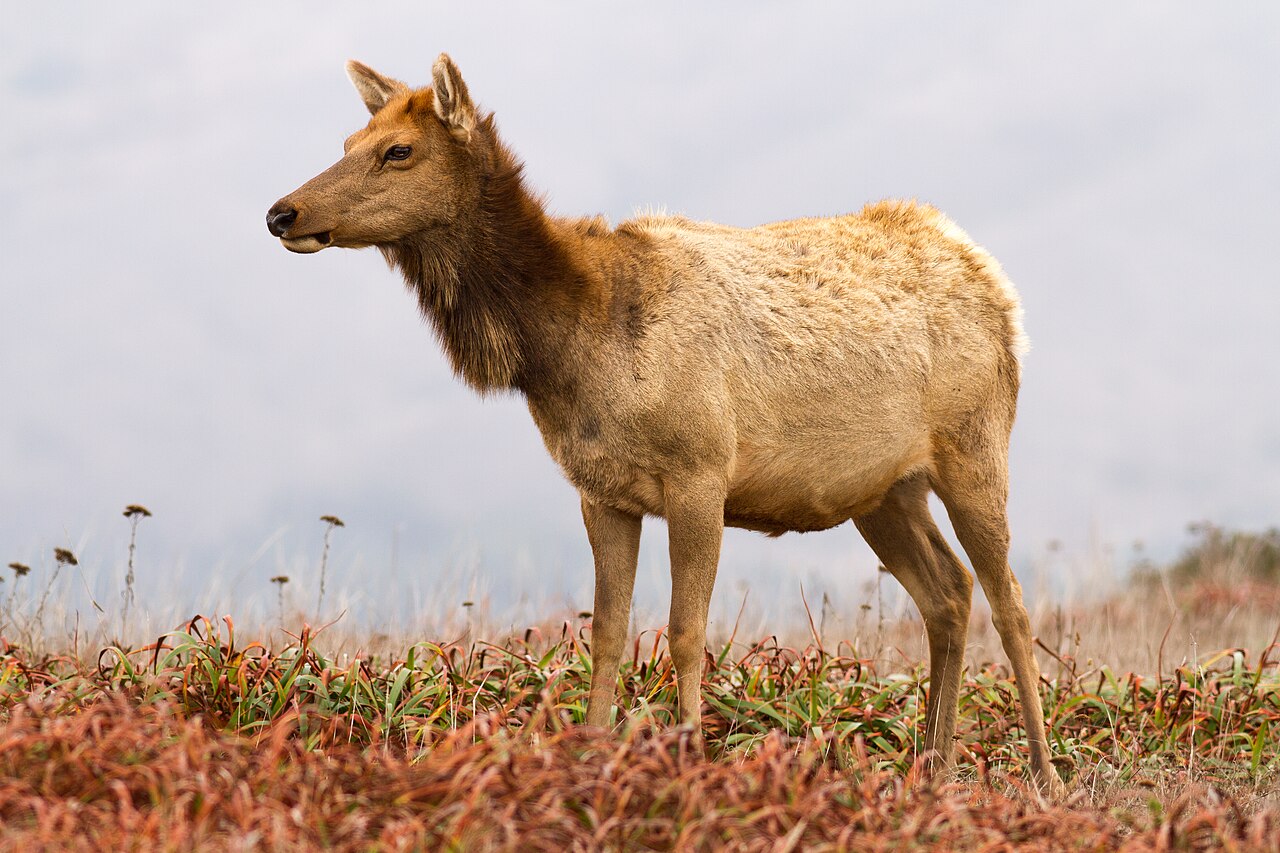
This reference uses the specific documents linked in the article and listed below. Check their scope, publication dates and the statements they support.
Animal at a glance
| Topic | Overview |
|---|---|
| Animal group | Managed elk, a distinct cervid production subject |
| Production roles | Food and breeding livestock in specialist herds |
| Life stages | Young stock, replacements, breeding adults and sale groups |
Choose the enterprise before choosing the herd
Elk may be kept for breeding stock, venison and other lawful products. Markets, handling, transport and processing must be available for the proposed system before animals are bought. A general claim about the value of elk products does not establish demand in a particular region.
Elk production provides production background, including feeding through the seasons. Its historical prices, regulatory examples and marketing assumptions need separate current confirmation. The cervid overview explains broader family-level distinctions; the farmed-deer page addresses other deer systems.
Plan nutrition through the seasonal cycle
Forage is central to elk feeding, but pasture and browse change in both quantity and quality. Assess the land at the season when growth is limited. A wooded area should not be assumed to sustain a herd simply because it contains vegetation. Arrange suitable hay or other balanced support before the shortage begins.
Pregnancy, lactation, growth and breeding activity alter demand. Bulls may lose condition during the rut, and lactating females support calf growth as well as their own maintenance. Examine condition by group and individual rather than deciding that one feeding arrangement must suit the entire herd.
Use elk-experienced nutrition advice for supplements and minerals. Make feed changes progressively and protect stored feed from spoilage. Feeding access is part of adequacy: a high-quality ration that dominant animals control may leave others poorly nourished. Provide practical routes for subordinate animals to approach and leave resources.
Water must remain clean, dependable and accessible during heat and freezing weather. Check refill capacity and equipment where the elk drink, not only at the supply source. Arrange maintenance so routine faults can be corrected without unsafe entry into a crowded or breeding group.
Containment and handling for a large cervid
Fencing, gates and corners must be designed for elk and inspected as a complete system. The effect of snow, erosion, damaged posts and fallen branches can undermine a barrier that was adequate when built. Confirm current local requirements rather than copying measurements from another jurisdiction.
Handling facilities should provide a clear route, secure footing, appropriate restraint and safe staff positions. Elk should not need to be chased repeatedly to perform routine care. When animals panic, collide or pile against gates, pause and assess layout and pressure rather than forcing the same unsuccessful process.
Transport preparation begins with suitable loading arrangements and a receiving destination that is ready. Avoid mixing unfamiliar groups unnecessarily. The animal’s size does not make it tolerant of poor footing, crowding or prolonged stressful handling.
Calving, young stock and the rut
Arrange suitable calving cover and low-disturbance observation. Know who can advise if a birth is abnormal or a calf is weak or injured. Intervene according to the actual problem, using people experienced with elk, rather than approaching every hidden calf as if it has been abandoned.
Growing stock need a supported transition through weaning and group changes. Prepare feed, water and secure receiving pens before separation. Avoid combining several major changes simply because a convenient handling opportunity has arisen.
Rut behaviour requires particular caution around males. An animal that was quiet outside the breeding period may behave very differently. Use protected operating positions, sound barriers and planned group arrangements. Familiarity should never be the principal safety measure.
Where antler management is part of an enterprise, obtain specific veterinary, welfare and legal advice. Antlers are living or mineralized tissues at different stages; this overview does not provide a removal procedure. A commercial product does not remove obligations to prevent pain and injury.
Health protection and local expertise
Locate an elk-experienced veterinarian before an emergency. Discuss source-herd information, introductions, testing or program obligations, parasites and locally relevant vaccination. Do not assume an animal’s apparent hardiness or quiet grazing excludes illness.
Manage boundary contact with outside cervids and avoid uncontrolled sharing of equipment. The chronic wasting disease reference addresses a particular disease concern; weight loss and behavioural change require professional assessment rather than diagnosis from a description alone.
Seek prompt help for breathing distress, major injury, inability to rise, difficult birth, neurological signs, repeated deaths or progressive loss of condition. Consider the risk of capture itself when arranging an examination. A professional response plan should cover how a compromised animal can be reached and assessed humanely.
Can elk use the same diet all year?
The feeding plan should reflect forage availability and the demands of breeding, lactation, recovery and growth. An unchanged quantity is not proof of consistent nutrition.
Does extensive grazing mean little daily responsibility?
No. Water, fences, forage and animal condition still require dependable oversight, and a large area may make finding an injured individual harder.
Field guides for this animal
Browse all Farmed elk field guides for husbandry advice, health explanations and practical farm routines.
Cite this reference
LivestockDefense. “Farmed elk: seasonal management, production and herd health.” Updated 2026-11-02. https://livestockdefense.com/animals/farmed-elk/
Add the date you accessed the page. This identifies the current reference; keep a permitted saved copy if your work depends on its exact wording. A citation alone does not establish support for a claim.
How to cite a page and its revision ↗Sources & boundaries
Read the evidence in context.
These documents support the statements identified in this reference. Check their scope and dates when deciding whether they answer your question.
- Merck Veterinary Manual: Nutrition in ungulates and subungulates
Source update: Not provided. Most recent check: 2026-11-02.
Bounded species biology, feeding context and production or husbandry statements attributed to this document in the animal overview sections. No numerical feeding, medication, restraint or breeding protocol reproduced.
- Penn State Extension: White-tailed deer production
Source update: Not provided. Most recent check: 2026-11-02.
Forage, life stages, handling and fencing; old jurisdictional rules excluded.
- Penn State Extension: Elk production
Source update: Not provided. Most recent check: 2026-11-02.
Forage, water and nutritional changes in lactation and rut; old market/legal data excluded.