
This reference uses the specific documents linked in the article and listed below. Check their scope, publication dates and the statements they support.
Give the animal a working key
A private working key lets a record system retain one animal history while the labels appearing in its documents vary. Store the visible value as text, with its identifier type or source context. Preserve leading zeros: “023” should not silently become “23” during an import.
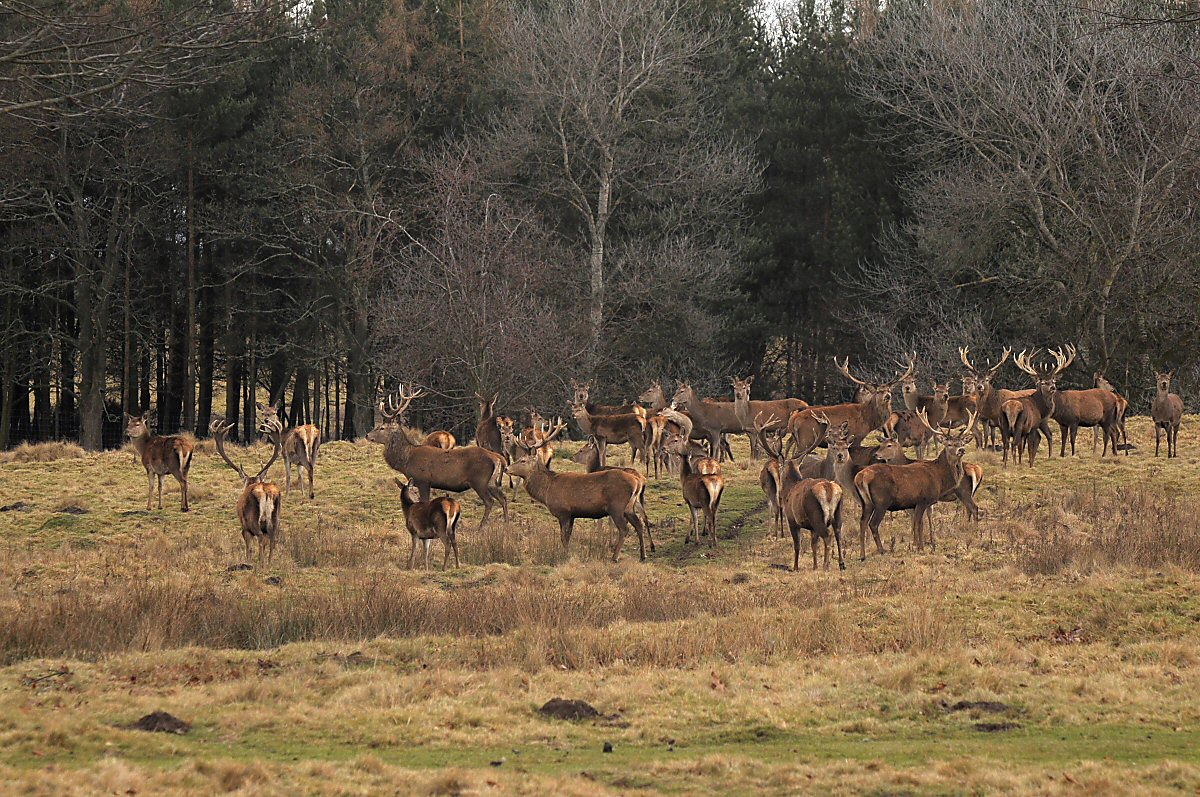
An appearance note belongs to an observation date and author. An antler description in a photograph caption is a description, not an identifier relationship by itself. Keep that distinction even when the description is memorable. This guide supplies no marking, tagging, restraint or identification procedure.
Keep a dated identifier history
Avoid one field that is overwritten whenever a different number appears. A small relationship table can preserve the earlier value, later value, supporting document, applicable date or interval and who accepted the link.
| Detail | Example of its role |
|---|---|
| Animal working key | Connects the retained history |
| Original label | Preserves what the source actually says |
| Label context | Distinguishes different local numbering systems |
| Relationship | Documents an established change or an unresolved proposal |
| Date and evidence | Shows when the link applies and why it was accepted |
Do not turn the date a document was received into the date its recorded identifier changed. If only a broad interval is supported, preserve that interval. A blank date should remain unknown rather than acquiring the day the spreadsheet was edited.
Work through a tempting match
In a fictional archive, an older entry uses local label 023. A later note uses D-88 and includes a similar appearance description. Two animal files could fit that description. The new note does not identify which earlier file it belongs to.
Keep D-88 as an unresolved association and preserve both candidates. Do not copy one candidate's earlier reports into the D-88 history to make the file look complete. Similar wording is a reason to inspect the existing documents, not evidence that the records are interchangeable.
If a dated source record later explicitly links 023 and D-88, retain that record and the match decision. Update the relationship without manufacturing a new animal. If the new evidence instead contradicts the proposed link, preserve the rejected match and its reason so the same shortcut is not repeated.
Retain how the match was made
The W3C PROV overview treats provenance as information about data, activities and people. A useful application here is a short match note: documents inspected, relationship accepted or left open, author and revision date. This is a local record design, not an official identifier rule.
Reconcile dependent files after a correction. A corrected register beside an unchanged image folder or movement table can keep the earlier error in circulation. Preserve original filenames or references where necessary so past statements remain traceable.
The farmed-deer reference provides related reading. Use the dated correction workflow when a match changes an earlier account. A public example can use project labels while the detailed identity key remains private; neither version should present an unresolved match as settled.
Test a proposed match before joining the histories
Make a small match note that states the proposed relationship and cites the existing source that would support it. Separate direct documentary links from descriptive similarities. Two records with similar antlers, location or age may deserve examination, but the match should remain unresolved when several animals could fit.
Check whether an identifier is unique within its source context. A local label can recur in another herd, year or imported file. Keeping the context alongside the value prevents an automatic join based only on a shared short number. Preserving leading zeros is part of this same identity discipline, not merely a display preference.
In an illustrative archive, a corrected link moves a photograph from one animal history to another. Before updating the public caption, review the movement and assessment records that depended on the earlier link. A single corrected register will not undo the original assumption everywhere it was copied. Keep the rejected match and reason so a future import does not recreate it.
Give uncertainty an explicit status that the system can retain. A proposed association can be useful for an authorized reviewer while remaining excluded from a confirmed identity chain. This allows investigation to continue without forcing a premature choice simply because a form expects one animal key.
Does a changed antler description mean a different animal?
The description is dated appearance evidence. It does not independently establish either continuity or a new identity. Use the supported links between records and retain the limits of the available description.
Should old labels be deleted after a reliable replacement link is established?
Keep them as historical identifiers with their source and interval. Earlier documents will still use those values. A recoverable relationship lets readers follow the history without creating another animal or rewriting original records.
Cite this reference
LivestockDefense. “Deer identity when tags or antlers change: preserve the supported link.” Updated 2026-11-03. https://livestockdefense.com/guides/deer-identification-when-antlers-or-ear-tags-change/
Add the date you accessed the page. This identifies the current reference; keep a permitted saved copy if your work depends on its exact wording. A citation alone does not establish support for a claim.
How to cite a page and its revision ↗Sources & boundaries
Read the evidence in context.
These documents support the statements identified in this reference. Check their scope and dates when deciding whether they answer your question.
- World Wide Web Consortium: An Overview of the PROV Family of Documents
Source update: 2013-04-30. Most recent check: 2026-10-30.
Non-normative overview definition of provenance; original record-linking application only. No official animal-identification requirement or movement authorization established.