
This reference uses the specific documents linked in the article and listed below. Check their scope, publication dates and the statements they support.
Animal at a glance
| Topic | Overview |
|---|---|
| Animal group | Managed cervids; identify the actual deer species |
| Production roles | Food animals and breeding herds |
| Life stages | Young deer, replacements, breeding adults and sale groups |
Name the deer and the product
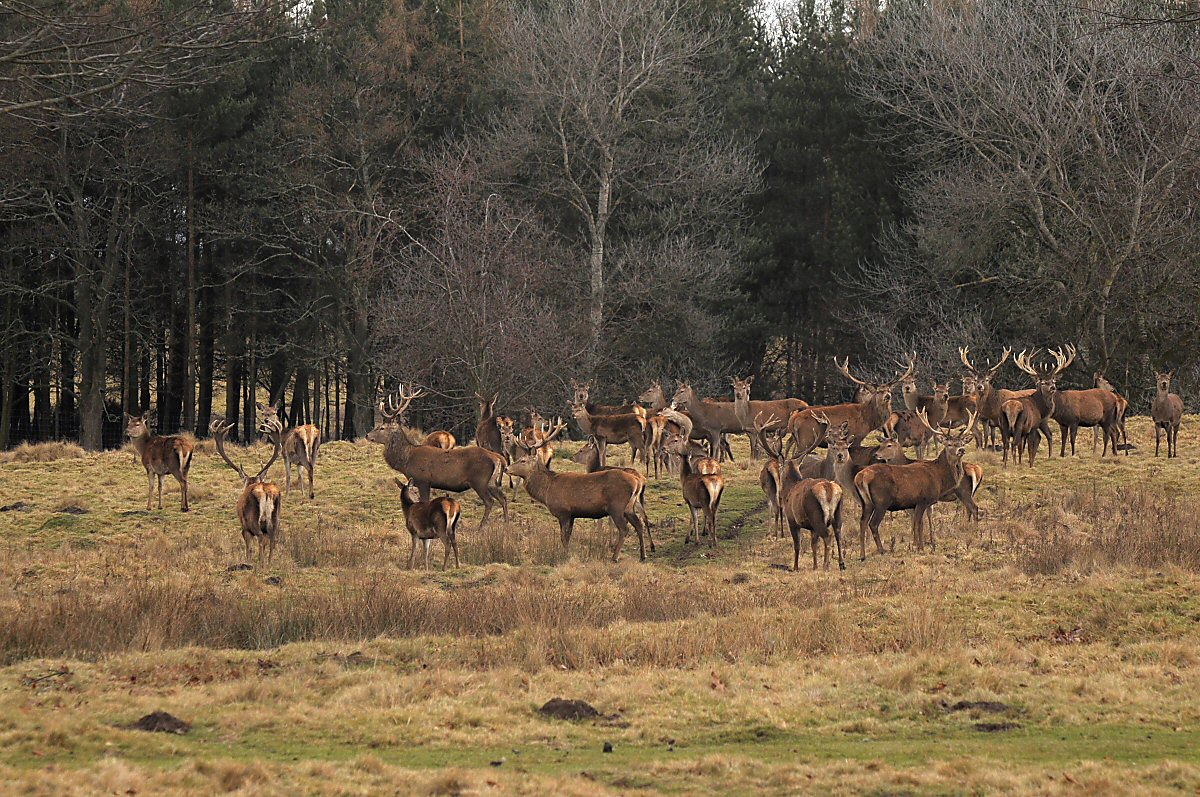
White-tailed deer, red deer and other managed species differ. Define the animals and purpose—venison, breeding stock or another lawful product—before choosing facilities or nutrition. The broader cervid overview explains the family context, while farmed elk deserves its own management plan.
Confirm legal status, containment requirements, sourcing and processing access locally before purchase. These may vary markedly by jurisdiction. Historic production guides are useful background, but their old rules and market assumptions should not be treated as current permission to operate.
Forage quality and stage-specific feeding
Forage forms the basis of many deer diets, with grazing and browse contributing differently by species and site. White-tailed deer production discusses forage-based feeding and changing needs during pregnancy, lactation and male recovery after breeding. Red deer production provides a separate red-deer production context.
Evaluate the land’s supply through the difficult season as well as its best month. Woodland may provide cover and some browse while still failing to meet the herd’s needs. Arrange conserved forage or appropriate supplements when natural supply is insufficient. Feeding stations should give smaller or subordinate animals a genuine opportunity to eat.
Select minerals and supplementary feeds with deer-experienced advice. Avoid abrupt changes and unreviewed cattle rations. Declining condition warrants assessment of teeth, competition, feed quality, parasites and other illness, not simply another bag of concentrate.
Clean water must remain accessible in freezing weather and at peak demand. Place resources so that routine maintenance does not require unsafe approaches to breeding males or crowded groups. A water failure is an animal-care priority even in an extensive paddock.
Fences, shelter and safe movement
Deer containment should account for the species, calves, jumping and the force of a startled group. Inspect gates, fence bases, damaged areas and corners regularly. Vegetation, fallen branches and erosion can weaken an otherwise appropriate barrier. A fixed height alone cannot describe the security of the whole system.
Provide shelter and suitable resting or calving cover without creating a single crowded refuge controlled by dominant animals. Ground conditions at gateways and feeding points deserve attention. Mud, ice and poor drainage can interfere with access and increase injury risks.
Handling facilities should support calm, purposeful movement. Plan the route and receiving space before gathering begins. Avoid repeated chasing and collisions; when the process is going badly, stop and reassess rather than increase pressure. Staff need training and safe positions behind appropriate barriers.
Breeding season and calving
Seasonal breeding changes appetite, condition and behaviour. Males that were manageable at another time may be dangerous during the rut. Plan grouping, gates and work schedules around that reality. Hand-rearing is not a substitute for protection from a large breeding animal.
Prepare for calving with suitable cover, low disturbance and experienced assistance. A resting hidden fawn is not automatically abandoned. Assess maternal behaviour with species knowledge before intervening. A weak or injured youngster still needs care, but repeated unnecessary handling can create its own problem.
After lactation and breeding, evaluate recovery of condition. Feeding all animals alike may leave a high-demand group behind. Growing stock also need planned weaning and receiving facilities so separation does not coincide with feed uncertainty, crowding and unfamiliar water equipment.
Disease entry and boundary contacts
Source animals responsibly and discuss relevant health programs, separation and testing before they arrive. Healthy appearance alone cannot establish infection status. Equipment, people and outside cervids may create contacts even when the resident herd has not moved.
The chronic wasting disease reference explains one important disease-specific topic. Its diagnosis cannot be inferred from a photograph or weight loss alone. Follow local professional and official advice for suspicious illness, mortality, carcass handling and movements.
Avoid creating feeding points that encourage outside deer to gather against the boundary. Design facilities to reduce uncontrolled contacts where feasible, and report escapes or breaches through the appropriate local process rather than treating containment as only a private concern.
Recognize the need for help
Seek prompt assistance for serious injury, difficulty breathing, inability to rise, an abnormal birth or neurological change. Persistent weight loss and repeated deaths also require investigation. Because capture can stress deer, plan assessment with an experienced veterinarian rather than improvising a chase.
Can red-deer information be used for every deer?
It offers useful context but is not a universal specification. Species, climate, size and local systems change what the advice means.
Does a deer look healthy if it is still grazing?
Grazing is only one observation. Condition, movement, social behaviour and the wider herd situation also matter.
Field guides for this animal
Browse all Farmed deer field guides for husbandry advice, health explanations and practical farm routines.
Cite this reference
LivestockDefense. “Farmed deer: production, feeding, identity and herd health.” Updated 2026-11-02. https://livestockdefense.com/animals/farmed-deer/
Add the date you accessed the page. This identifies the current reference; keep a permitted saved copy if your work depends on its exact wording. A citation alone does not establish support for a claim.
How to cite a page and its revision ↗Sources & boundaries
Read the evidence in context.
These documents support the statements identified in this reference. Check their scope and dates when deciding whether they answer your question.
- Merck Veterinary Manual: Nutrition in ungulates and subungulates
Source update: Not provided. Most recent check: 2026-11-02.
Bounded species biology, feeding context and production or husbandry statements attributed to this document in the animal overview sections. No numerical feeding, medication, restraint or breeding protocol reproduced.
- Penn State Extension: White-tailed deer production
Source update: Not provided. Most recent check: 2026-11-02.
Forage, life stages, handling and fencing; old jurisdictional rules excluded.
- Penn State Extension: Red deer production
Source update: Not provided. Most recent check: 2026-11-02.
Shelter, calving cover, forage and specialized facilities; old market/legal data excluded.