
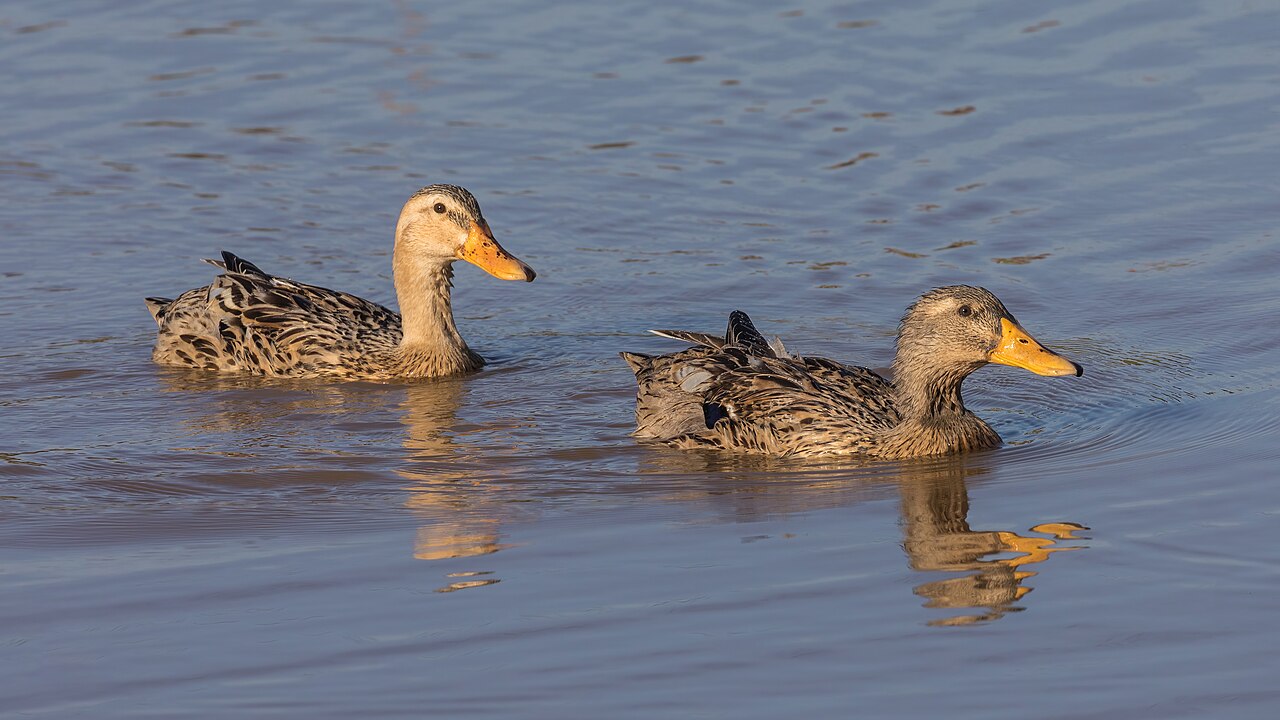
Make it possible for the next caretaker to find the same duck
The first useful detail is which bird needs attention. Where individual identification is unavailable, give a precise supported description and the location last observed. Similar-looking ducks should not inherit one another’s histories merely because they use the same doorway.
Explain function in ordinary terms. A duck remaining behind while the group moves, an altered stance and a bird not seen walking during a brief view are different observations. Keep those distinctions so the veterinarian knows what was demonstrated and what remains unknown. Do not chase the bird to improve the evidence.
Resource access matters during the handoff. Tell the responsible professional whether the duck is seen using its usual routes to feed, water and shelter. A facility can be suitable for the general group while an affected individual needs a different care assessment. Ask for safe instructions suited to the actual bird and accommodation.
The surface history is context rather than diagnosis. A recent threshold repair, muddy gate or changed route can deserve competent review without proving why the duck limps. A later photograph of a repaired path should not replace the earlier arrangement or erase an incomplete view of the foot.
Confirm that the next caretaker has received the professional plan and knows when to report change. A message sent to a private thread may not reach the person providing care. Follow the original duck after a move; disappearing from the first enclosure’s count is not evidence of recovery. The completed handoff should keep identity, current concern and next responsibility understandable.
Describe the duck and the observation
Use an individual identifier where available, or a precise description of the represented group. Keep left and right consistent from the bird’s perspective. If the affected side is uncertain, record that uncertainty rather than selecting a side from one awkward photograph.
State what was seen during ordinary activity: for example, reluctance to move with the group or an altered stance. Keep the observation time and viewing limits. A brief view from outside an enclosure does not establish the condition of the whole foot or leg, and a covered area should remain unassessed.
Seek prompt help for marked pain, inability to stand or other serious deterioration. Do not repeatedly catch the duck, force a walking demonstration or attempt an unfamiliar examination to complete the note. The veterinarian determines the appropriate assessment and safe handling instructions.
Keep the route and surface history concrete
| Record | Detail to preserve |
|---|---|
| Bird | Actual identity or explicitly group-only scope |
| Movement | Ordinary observed behavior and interval |
| View | What was visible and what was not examined |
| Area | Real routes, surfaces and recent changes |
| Follow-up | Qualified advice and actual completion |
Name the enclosure, doorway, feeding point or water approach the duck actually used. A map of the intended arrangement is different from the route during a temporary closure or repair. Preserve known gaps in occupancy rather than applying the current layout to every earlier day.
A surface defect can deserve competent attention without proving it explains every bird’s finding. Keep the technical repair record and animal assessment separate. A later photograph of a repaired path does not reconstruct its earlier use.
Work through a misleading “nothing visible” entry
In this fictional enclosure, a duck is seen limping near a recently repaired threshold. The observer cannot see the underside of the foot. The checklist nevertheless records “no injury, caused by threshold.” Neither part of that conclusion was established by the view.
The corrected note retains the limp, location and incomplete view. It identifies the repair as contextual history rather than the confirmed cause. If other birds are observed, retain how many were checked and whether their viewing conditions were comparable; casual absence of reports is not a completed flock examination.
Follow the bird through a change of caretaker
Keep the veterinarian’s instructions with the duck’s identity and make them available to the person providing care. A message sent is not necessarily a handoff received. Record unresolved questions, who will clarify them and any later professional findings.
Compare follow-up using a similar observation basis. A duck moved out of view should not disappear from the affected count as though it recovered. A different surface or observation interval also changes the comparison.
Use duck references and the veterinary handoff guide for related records. This guide organizes the existing observations; it does not identify a hidden lesion or supply a treatment. The final account should remain clear about the bird, the view and the professional conclusion.
Common questions
Does no obvious injury mean a normal limb?
No. A limited view cannot establish hidden structures or the whole foot and leg.
Should walking be forced for the handoff?
No. Use ordinary safe observations and the veterinarian’s instructions.
What matters most at a caretaker change?
The actual duck, current professional advice, unresolved concerns and responsibility for follow-up.
Cite this reference
LivestockDefense. “A duck limping without obvious injury: safe observation and handoff.” Updated 2026-11-03. https://livestockdefense.com/guides/duck-limping-without-obvious-injury/
Add the date you accessed the page. This identifies the current reference; keep a permitted saved copy if your work depends on its exact wording. A citation alone does not establish support for a claim.
How to cite a page and its revision ↗