
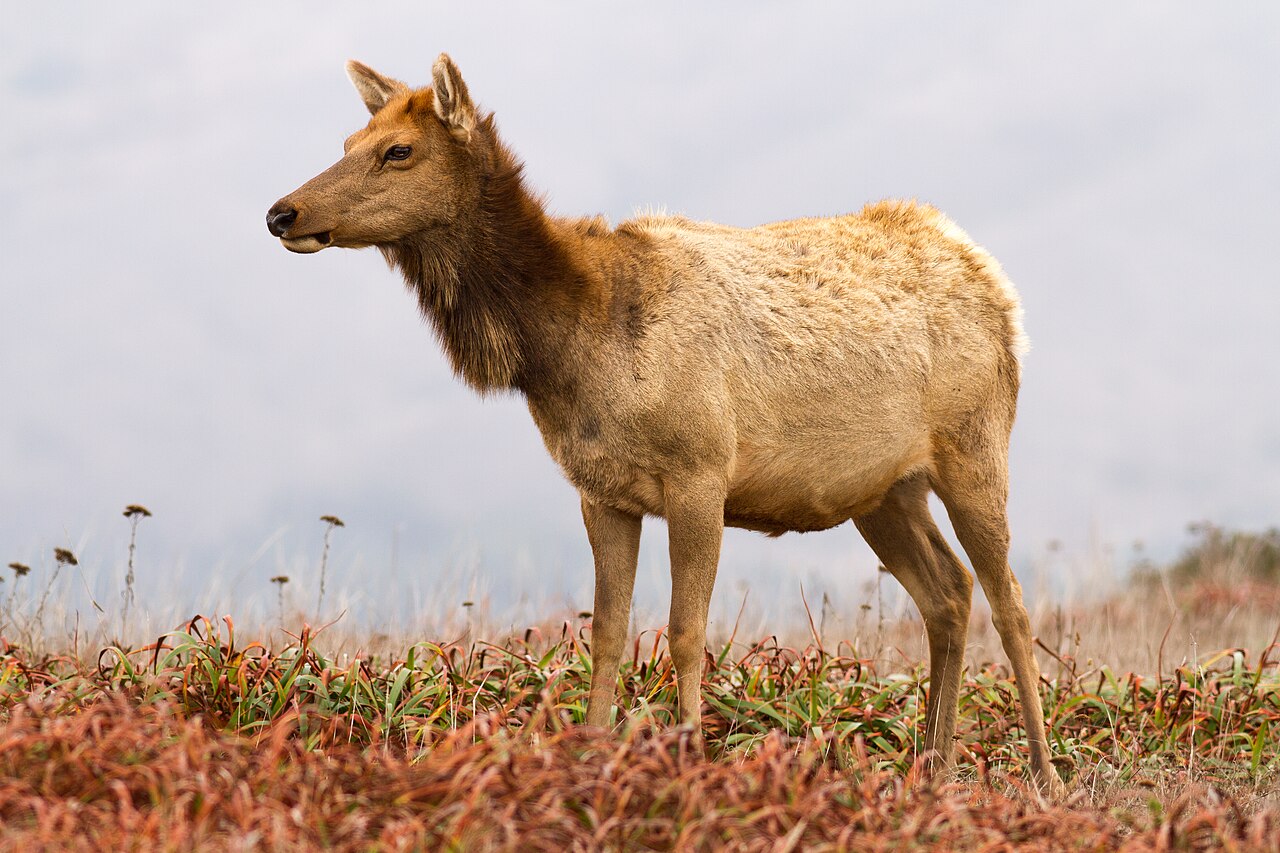
Preserve the original groups
Give each group a stable identifier with animal membership and dates. Record where the animals were kept and any relevant recent handling or movement. A pen name alone may be reused and cannot establish who shared a group during a particular period.
Keep the proposed change separate from the completed move. If only part of a group is moved, record the actual animals and destination. An unmodified planning list can create a false contact history even when its total animal count looks plausible.
Record the professional plan
Identify who advised on the event, the instructions actually supplied and their scope. Make the plan available to the trained people responsible for the work. If circumstances change, obtain clarification rather than selecting a substitute approach from a general web page.
| Event component | Record to preserve |
|---|---|
| Before mixing | Group membership and known concerns |
| Intended task | Purpose, animals and responsible team |
| Actual event | Date, destination and deviations |
| Observations | Individual findings and observation conditions |
| Follow-up | Advice, care and planned reassessment |
Observe without provoking a demonstration
Record ordinary activity from a safe position and follow the relevant handling instructions. Do not enter or disturb a group to obtain a more dramatic observation or photograph. A concern about an injured or distressed animal requires appropriate professional response.
Describe what is seen rather than applying a confident behavior or disease label. Include the location, animal identity and viewing limits. If only part of the group was visible, preserve that limit before using the note to describe the entire herd.
Work through a delayed report
In a fictional event, a worker notices an animal moving differently the day after mixing. A later review finds an earlier note about the same animal before the move. The mixing event remains relevant history, but it cannot simply be labeled the onset of the problem.
Keep both notes with their actual dates and sources. Ask the veterinarian which distinctions matter. Do not erase a prior concern to create a simple before-and-after story, or assume a pre-existing concern makes every later event irrelevant.
Reconcile outcomes by individual
Track continuing concerns, new observations and animals moved again after the event. Counting each daily note as a new injured animal would distort the summary. Use an event thread that preserves individual course and the professional assessment.
Review incomplete IDs, missed handoffs and whether the intended resources were available. Use the farmed-elk hub and cervid fence-inspection guide for related records. The useful outcome is a reliable group and care history, with species-specific decisions left to the appropriate professionals.
Make the proposed event understandable before it happens
A practical event sheet should explain what the group change is intended to accomplish. Distinguish a proposed destination from a confirmed arrangement and identify who is responsible for obtaining the species-experienced advice. This helps the team resolve a changed circumstance with the right person instead of treating a planning note as permission to improvise.
Record any limits attached to the advice in the adviser’s own terms. A recommendation for named animals on one date should not automatically be extended to a different group later in the season. Keep the final agreed plan accessible to the people doing the work, including a relief worker who did not attend the original discussion.
Test the membership list against the completed event
Consider a fictional plan to combine groups North and East. The final event moves only some East animals, while one North animal stays elsewhere under a separate care arrangement. A heading reading “North plus East” would describe the proposal rather than the actual group. Preserve the exceptions by identity, with their destinations, rather than burying them in a free-text note below the total.
The same principle applies to a postponed event. A date in the calendar does not establish contact. Mark cancellation or postponement clearly, retain the reason actually supplied and create the completed event entry only when it occurs. Later interpretation depends on the real sequence, not the neatness of the original schedule.
Common questions
Can a normal-looking group be entered as having no problems?
Describe the observation and its coverage instead. A brief view of part of a group does not establish every animal’s condition. A qualified assessment can be recorded separately under its actual scope.
How should repeated observations be summarized?
Link them to the animal and event, showing whether each is a new observation of an existing concern or a newly reported concern. Retain the underlying notes so a summary count does not replace the individual course.
What if the intended plan cannot be followed?
Record the change and obtain appropriate clarification from the responsible professional team. This guide provides the documentation structure, not an alternative mixing or handling procedure.
Cite this reference
LivestockDefense. “Farmed elk group mixing: plan, membership and follow-up.” Updated 2026-11-03. https://livestockdefense.com/guides/farmed-elk-group-mixing-during-antler-season/
Add the date you accessed the page. This identifies the current reference; keep a permitted saved copy if your work depends on its exact wording. A citation alone does not establish support for a claim.
How to cite a page and its revision ↗