
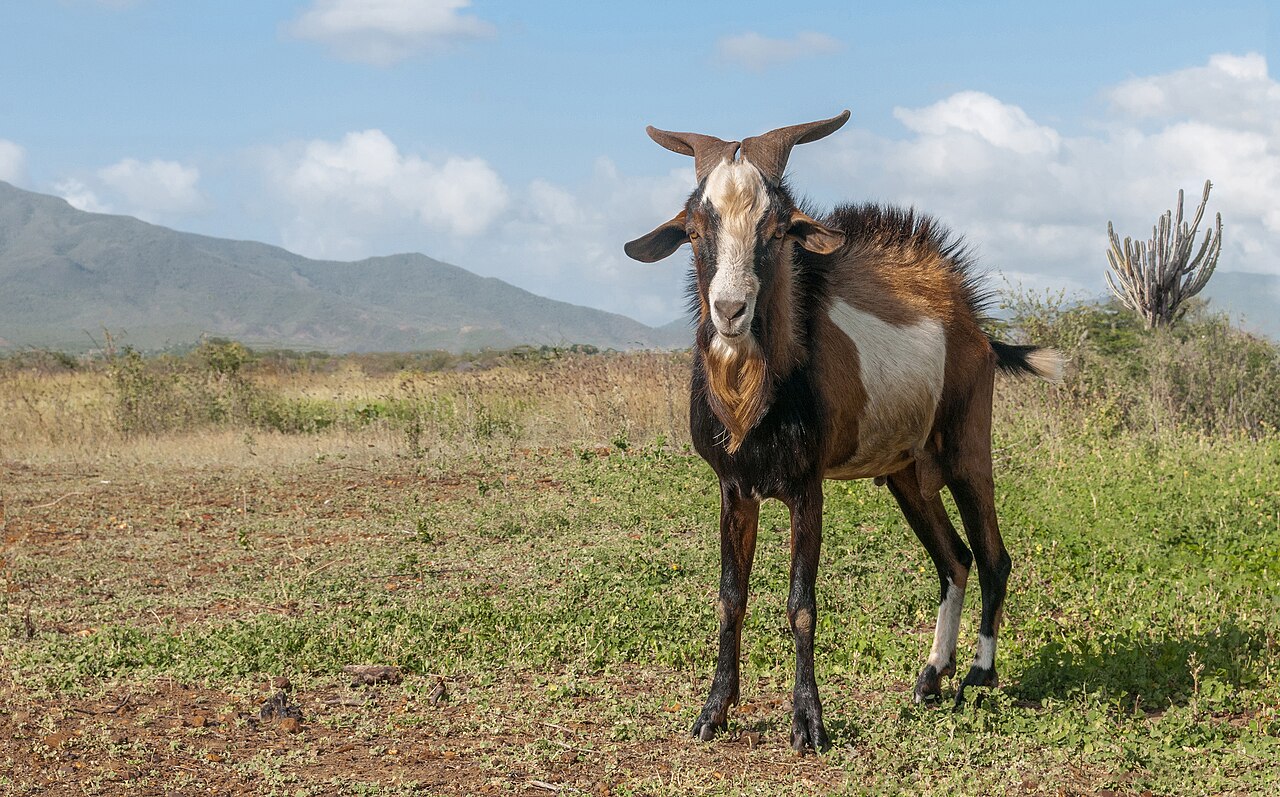
Describe the visible concern at its actual precision
Record the goat’s stable identity and the foot or site actually supported. Keep the observer, date and viewing limits. A distant image may show an outline without supplying a complete assessment of every hoof or a clinical classification.
Preserve ordinary movement observations and current concerns separately. A shape concern and a recorded movement difficulty can belong in the same history without one proving the other’s explanation. Prompt appropriate care should not wait for a complete retrospective account.
Reconstruct how the pen was really used
Keep occupancy dates, moves, accessible areas and relevant flooring or bedding changes. A pen described as low exercise on a current plan may have had a different arrangement earlier. Preserve any known outdoor access or temporary holding rather than copying one label across the animal’s whole history.
Record activity at the scope actually observed. A brief visit should not become a measured all-day activity total. If a device or professional assessment supplies a value, keep its method, interval and qualifications rather than translating an informal impression into a number.
| History layer | Detail to preserve |
|---|---|
| Goat and foot | Actual identity and supported location |
| Appearance | Direct description and view limits |
| Housing | Real occupancy, surfaces and available routes |
| Movement | Ordinary observation and its coverage |
| Earlier care | Operator, date, findings and actual completion |
| Follow-up | Advice and later animal observations |
Keep professional care attributable
Retain the operator’s original wording, the sites assessed and any instructions. A group visit can include different animals or incomplete coverage; its presence does not establish that every hoof on every goat was assessed. Keep a missing or unclear site unresolved.
This article gives no restraint, trimming, cutting, grading or treatment procedure. Do not manipulate the feet to match an image or make the goat repeat a concerning movement. Ask the qualified team what safe assessment and care are appropriate.
A fictional appointment mistaken for completed work
A fictional pen calendar lists a hoof-care visit. The invoice and later note identify only part of the group, but the spreadsheet marks every goat’s care complete. A later concern is dismissed because the appointment appears on the calendar.
Restore the actual operator and animal records. Keep the scheduled visit, work performed and later finding as distinct events. The correction does not assume care failed or diagnose the new concern; it identifies what the evidence really establishes.
Follow the finding through a housing change
Record actual advised work and completed animal care separately. A changed floor or pen assignment does not establish the outcome of the goat’s concern. Keep subsequent observations under the same identity, including any animal moved elsewhere.
When a prior label or site is corrected, retain its original value and the supporting explanation. An administrative correction should not appear as a biological change on another date.
Use goat references, hoof-care schedule versus lameness and goat gait on different surfaces. A recoverable account joins the real hoof, pen and care histories while leaving diagnosis and hands-on decisions with the appropriate professional.
Separate the outline, the movement and the examination
A clear history can contain all three without treating them as interchangeable. The outline describes what was visible. The movement note describes ordinary activity during a stated interval. The professional examination records the sites assessed and the examiner’s actual findings. Keep their dates even when they concern the same goat.
A fictional photograph may show one hoof outline while a later care record covers two named feet. Do not extend either to every foot because the animal has one overall hoof-care status. A site-level link makes later comparison possible and prevents a partial group visit from becoming a completed whole-animal assessment.
Review the care calendar against the actual report
An appointment can be planned, attended, partially completed or rescheduled. Preserve the supplied account rather than compressing these possibilities into a tick. Where the operator’s report and the farm list differ, ask for clarification while keeping the mismatch visible.
If care was completed for only part of a group, identify the represented animals and any unfinished work. A later concern in another goat should not be dismissed from the presence of the shared calendar event. Conversely, an incomplete form should not be called proof that the goat received no care.
Common questions
Can a pen label supply the goat’s activity history?
It describes a location or intended arrangement. Record actual access and observed activity at their supported scope; the label does not quantify exercise over the entire interval.
How should a corrected foot label affect a trend?
Keep the original and corrected labels with the basis for revision. Update comparisons that relied on the mistaken site, so an administrative relabeling is not read as improvement in one foot and a new concern in another.
Cite this reference
LivestockDefense. “Goat hoof overgrowth: connect the finding to pen and care history.” Updated 2026-11-03. https://livestockdefense.com/guides/goat-hoof-overgrowth-in-a-low-exercise-pen/
Add the date you accessed the page. This identifies the current reference; keep a permitted saved copy if your work depends on its exact wording. A citation alone does not establish support for a claim.
How to cite a page and its revision ↗