
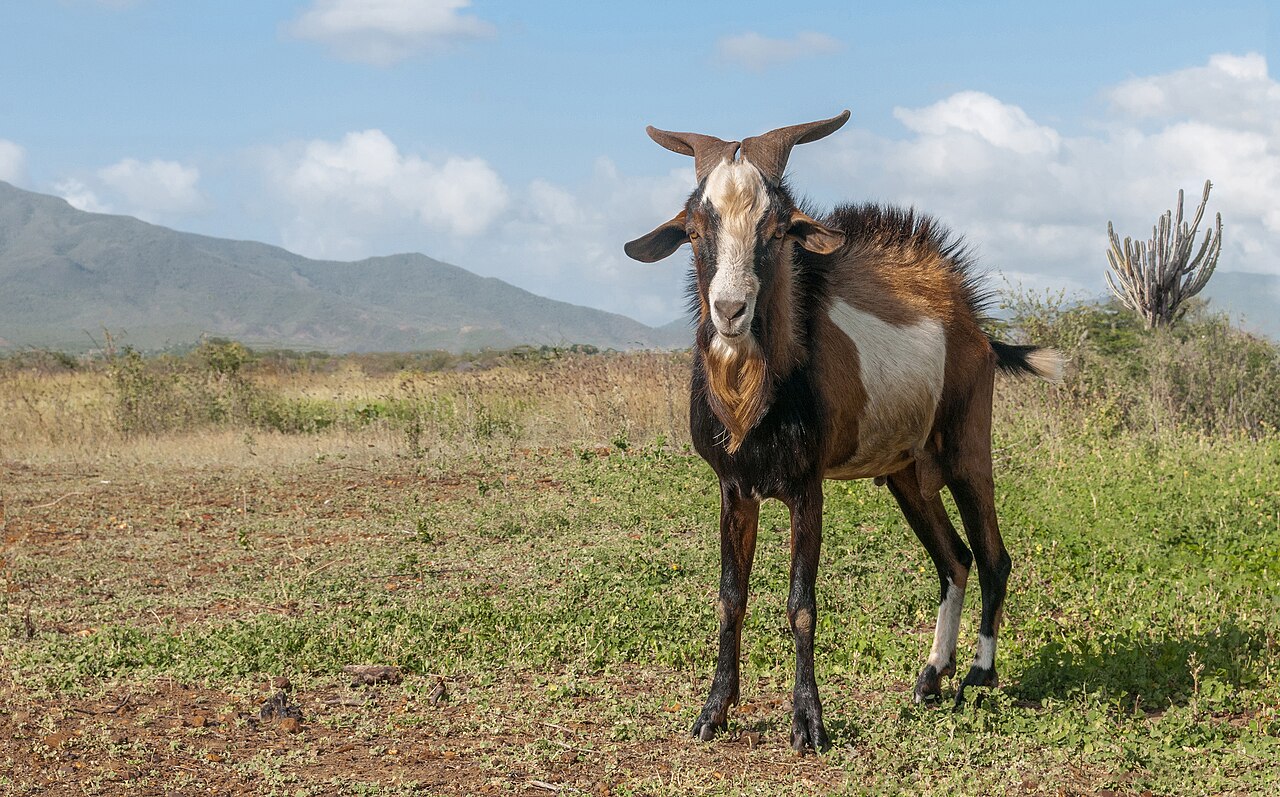
Describe ordinary observations without staging a test
Record where and when the goat was seen moving differently. Keep the surface description specific enough to distinguish a paved lane, compacted yard and another area. A note that the goat is “fine on grass” should retain who observed it and for how long.
Do not repeatedly move the goat over a concerning surface to demonstrate the difference. Follow the veterinarian’s advice about handling and care. This guide provides no gait-testing, hoof-testing, restraint, trimming or medication procedure.
Preserve identity across locations
Keep the goat’s stable identifier and actual pasture, housing and lane history. A group entering the yard may contain goats from different earlier settings. The place where lameness is first noticed is not necessarily the place where a problem began.
Retain earlier foot, limb and general health findings as documented, with dates and assessor. If a previous note simply says “feet done,” preserve the lack of detail rather than inventing a normal examination or a particular procedure.
| Handoff layer | Detail to preserve |
|---|---|
| Goat | Identity and relevant earlier history |
| Movement | Exact observation and setting |
| Surface | Actual route and known changes |
| Onset | First noticed and last relevant earlier view |
| Assessment | Veterinary finding and agreed plan |
Keep surface inspection separate from diagnosis
Ask the competent facility adviser to record specific defects or changes in the route where relevant. A rough patch can be a practical concern without proving it caused the goat’s problem. Retain the inspection date and any repair so later views do not replace the original condition.
Record recent moves, work and professional hoof care as separate events. Timing can direct questions, but it should not become an accusation against the newest surface or service. The clinician needs the actual sequence and its uncertainties.
Work through a misleading soft-ground comparison
In this fictional example, a keeper reports that a goat moves normally on pasture and limps in the yard. The pasture view was brief and distant, while the yard observation was close and prolonged. The two settings differ in both surface and observation coverage.
The corrected account preserves that distinction. It does not dismiss the gait concern or establish that the surface is irrelevant. The veterinarian receives the specific observations and assesses the animal without asking the keeper to reproduce pain.
Follow the individual through care
Record actual advice and completed actions under the goat’s identity. A group moved away from the yard should not make the concern disappear from the event log. Keep any later assessment and interpretation attributable to the professional who performed it.
Agree which follow-up observations are useful and who reports continuing concern. A less visible gait change in a different setting should not be called recovery without the appropriate assessment. Keep activity and handling within the agreed plan.
Read goat references, sheep foot-view limitations and the field guide library for related observation principles. The sheep example concerns record quality; the goat’s clinical and hoof-care decisions need their own species-specific professional basis.
Describe the route in terms another person can recognize
“Hard ground” may refer to several places on one holding: a smooth concrete yard, loose stones at a gate, a compacted lane or a covered passage. Name the ordinary route and the location where the change was noticed. Add any supported change in surface condition rather than assuming its usual description applies during every visit.
Keep the view of the animal separate from the view of the facility. A photograph of a damaged edge can help a facility adviser identify a repair question. It does not show which tissue hurts in the goat. Conversely, an obvious gait change remains worth reporting even when nobody has found a broken surface or visible hoof defect.
In a fictional consultation, a worker initially writes “only limps after the gate was resurfaced.” Earlier notes establish that the goat had not been closely observed on that route for several days. The resurfacing date is precise; the onset interval is not. Retaining both allows a fair clinical history without changing suspicion into proof or erasing a potentially relevant event.
For follow-up, ask what ordinary activity can be reported safely within the care plan. Identify the same animal and retain differences in view, distance or setting. A clear statement that the goat was not observed moving can be more useful than a reassuring “looks better” entered from a stationary view.
Does normal movement in one brief pasture view exclude lameness?
It does not establish that the goat was comfortable in every setting or over the whole day. Describe what was actually seen and let the veterinarian assess the difference alongside the animal's examination.
Can the facility repair be recorded before a diagnosis is reached?
Yes. Record a demonstrated defect and the work performed at their own scope. Continue the animal's care history separately. Correcting a hazard is a practical action; it does not retrospectively establish the cause of every gait observation on the route.
Cite this reference
LivestockDefense. “Report a goat’s surface-specific gait change.” Updated 2026-11-03. https://livestockdefense.com/guides/goat-limping-only-on-hard-ground/
Add the date you accessed the page. This identifies the current reference; keep a permitted saved copy if your work depends on its exact wording. A citation alone does not establish support for a claim.
How to cite a page and its revision ↗