
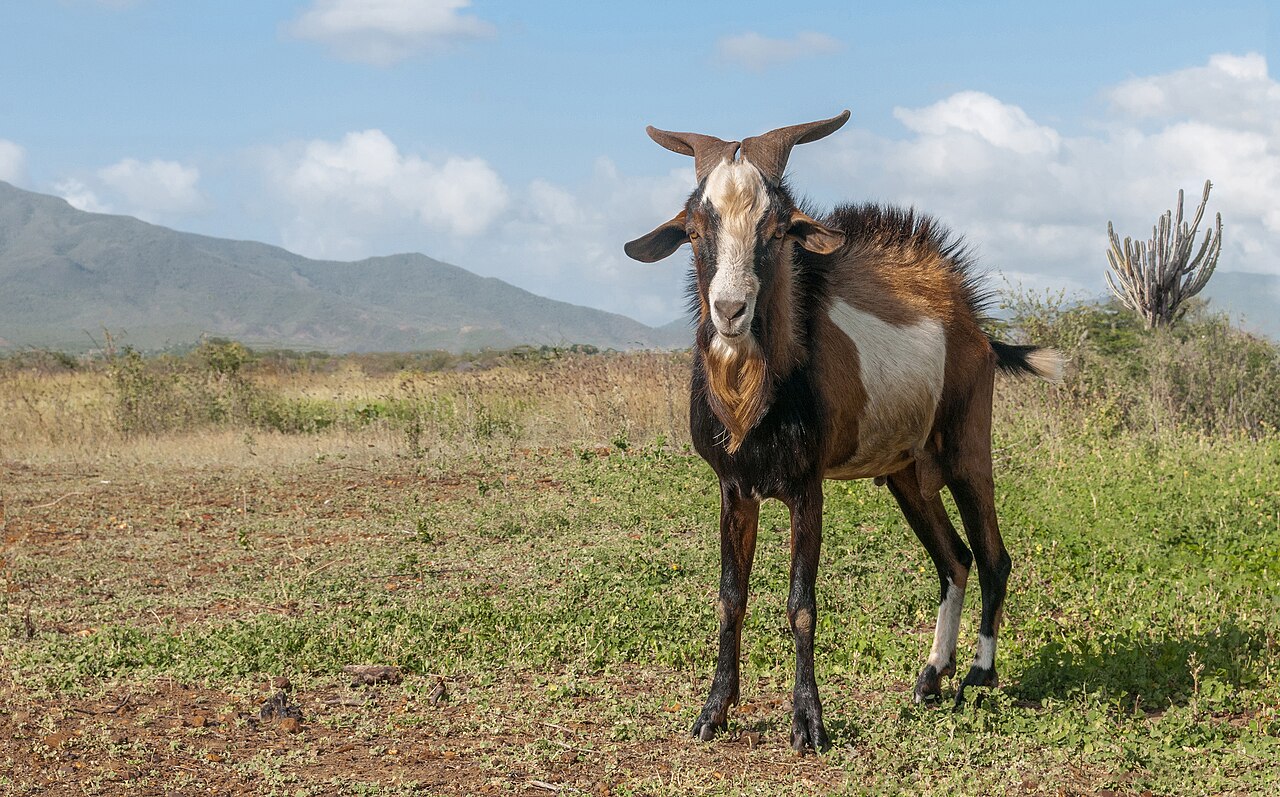
Describe the actual group
Keep goat identities, horn status as observed or documented, ages where relevant and actual membership intervals. A group changes when animals are added, removed or held temporarily. Preserve those events rather than relying on the original pen list.
Retain individual health and injury findings with their own evidence and dates. Seek veterinary attention promptly for concerning animals. This guide supplies no horn procedure, restraint method or clinical treatment instruction.
Map usable routes and resources
Record feed, water, resting areas, gates and temporary barriers as actually arranged. A nominal floor area can conceal a narrow route or a resource blocked during work. Have competent advisers assess suitability for the specific group.
Keep design versions and later modifications distinct from earlier conditions. A repaired opening or moved feeder cannot be used as a photograph of the original event. This article supplies no dimensions or universal stocking rule.
| Access-review layer | Evidence to preserve |
|---|---|
| Goat group | Identity, horn status and changes |
| Interaction | Specific behavior and observation coverage |
| Route | Actual openings and obstructions |
| Resource | Usable access during ordinary demand |
| Response | Professional findings and completed work |
Record interactions without assigning a fixed role
Describe what each identified animal did, where and for how long it was observed. Replace a broad label such as bully with the actual sequence. A brief encounter should not become a permanent conclusion about every resource or period.
Do not provoke competition or restrict access to demonstrate the concern. Use ordinary observations within the professional plan. A goat standing elsewhere is not by itself proof of exclusion or illness; preserve the context for appropriate assessment.
Work through an assumed horn-status cause
In this fictional pen, an injury is discovered and the summary blames the only horned goat. No interaction was witnessed, and a competent inspection also identifies an unrelated obstruction near a resource. The record cannot select the cause from membership alone.
The corrected account retains the injury, actual interactions observed and facility finding. It does not clear any possible explanation or justify an unqualified procedure. The veterinarian and welfare advisers assess the animals and practical arrangement.
Verify changes with the real group
Record actual implementation of advised facility or management work and the responsible person’s checks. A revised sketch is an intention until the usable arrangement is verified. Ask relief workers to identify current routes and report a concern.
Track goats moved for care. A reduction in injuries within the original pen after affected animals leave is not recovery among them. Preserve individual follow-up and comparable observation coverage where the professional plan calls for it.
Use goat references, breeding-pen access review and shade-use mapping. A useful mixed-group review follows actual animals, routes and findings while leaving design and clinical decisions with the qualified assessment rather than one descriptive trait.
Translate a pen sketch into observation questions
Label the places where an ordinary observer can describe movement without disturbing the goats. Ask which animals approached a resource, whether passage was interrupted and what happened next. These questions produce more useful notes than a general judgment that the group “does not get along.” Keep the observed interval visible because a brief visit cannot describe every period of demand.
A fictional note might read: “Goat K approached the water point, turned away while goat L stood at the opening, then moved out of view.” That describes a sequence. It does not establish the reason for turning, how long access was unavailable or what occurred before and after the observation. Repeated attributable observations can be considered by the advisers without transforming one encounter into a permanent role.
Distinguish a design question from an individual care question
A facility review may identify an obstruction while the veterinarian assesses an injured goat. Link the two records where relevant, but retain their different conclusions. A technically completed change does not provide a clinical outcome for the goat, and a clinical finding does not by itself specify a suitable redesign.
Keep the actual group in the review after any move. If one goat is temporarily elsewhere, note which observations still concern the original group and which concern the revised membership. Otherwise, an apparently calmer pen may simply describe a different set of animals.
Common questions
Should horn status be omitted because it does not prove causation?
No. Keep accurate descriptive information alongside age, identity and actual membership. Its role is context for qualified assessment, not an automatic explanation.
Can the team test a suspected bottleneck by creating competition?
Use ordinary observations and the responsible professional plan. This record guide does not authorize a demonstration that restricts access or puts animals at risk.
Cite this reference
LivestockDefense. “Horned and polled goats: review real pen access.” Updated 2026-11-03. https://livestockdefense.com/guides/goat-horned-and-polled-group-pen-design/
Add the date you accessed the page. This identifies the current reference; keep a permitted saved copy if your work depends on its exact wording. A citation alone does not establish support for a claim.
How to cite a page and its revision ↗