
This reference uses the specific documents linked in the article and listed below. Check their scope, publication dates and the statements they support.
The virus can affect nerves and internal organs
Marek's disease is more than a single paralysis syndrome. The virus can produce lymphoid tumors, enlarge peripheral nerves and affect organs such as the liver, spleen, skin and eyes. Immune injury can also increase vulnerability to other infections.
The Merck clinical chapter identifies chickens as the most important natural host. Infection is widespread, but exposure does not mean every infected bird develops obvious tumors or paralysis. Disease expression depends on the virus, host and protection.
This distinction matters when reading a test result. Detecting Marek's viral material and demonstrating that Marek's caused a particular hen's illness are related but different questions. The clinical and pathological findings remain important.
Paralysis is recognizable but not unique
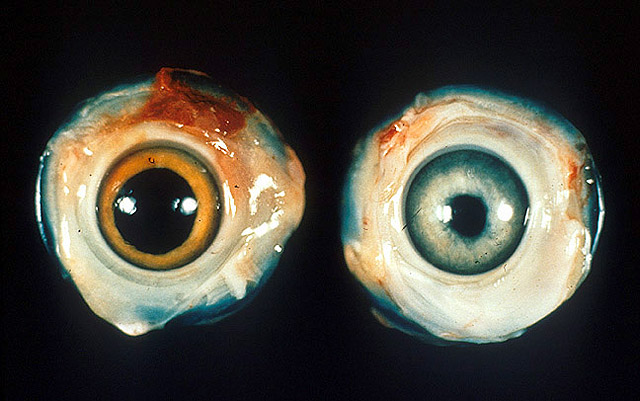
A bird may lose coordination, have a drooping wing or become unable to use one or both legs normally. Some develop wasting or difficulty reaching feed. Eye involvement can alter the iris or pupil and affect vision. Others have internal tumors without a classic limb posture.
The UC Davis owner guide describes this range of nerve and organ disease. A familiar photograph of one leg forward and one back is not a reliable standalone diagnostic test.
Prompt assessment is needed for a bird that cannot stand, eat, drink or remain comfortable. Protect her from trampling and pecking and keep resources accessible while arranging help. Do not repeatedly make a weak bird walk to demonstrate the problem.
Lameness and tumors have other causes
Trauma, painful joints, osteoporosis, nutritional nerve disorders and other infections can cause weakness or abnormal gait. Tumors also require differentiation from avian leukosis and other neoplastic disease.
Age is useful context but should not be treated as an absolute exclusion rule. The veterinarian considers the whole pattern, including whether the problem is neurological, skeletal, painful or systemic. A chicken with one injured limb should not be condemned as a Marek's case merely because the disease exists in the region.
Necropsy and microscopic examination are important diagnostic tools. Laboratory testing may support differentiation among tumor diseases. Ask what establishes the cause of the lesions rather than treating a virus-positive result as proof that every unrelated symptom is Marek's.
Feather dust connects birds and premises
Virus shed from feather follicles can remain in dander and dust. Susceptible birds inhale contaminated material, and equipment or clothing can carry it between poultry areas. Direct contact with an obviously ill bird is not required for exposure.
This makes chick protection particularly important. A clean brooding area should be separated from dust and equipment associated with older chickens. New chicks placed immediately into a heavily exposed environment may encounter challenge before their protection is established.
Cleaning reduces contamination but should not be described as an easy guarantee that an ordinary premises has become Marek's-free. The biosecurity collection explains practical separation and control of contaminated traffic.
Vaccination prevents disease rather than treating tumors
Marek's vaccination is highly valuable when appropriately planned and administered early. Hatcheries commonly incorporate it into chick programs. Ask the supplier what was actually provided rather than assuming all purchased chicks are vaccinated.
Vaccination does not cure an already paralyzed bird or remove established tumors. It also does not justify unrestricted mixing of birds or an assumption that all infection and shedding are prevented. Early exposure and vaccine handling or program issues can influence outcomes.
For home-hatched chicks, discuss a feasible program with a poultry veterinarian or knowledgeable hatchery service before hatch. Product storage and use requirements differ. A generic internet schedule cannot establish that a particular vaccine has been stored or administered correctly.
Turkeys do not provide a natural vaccination service
Some Marek's vaccines use a related turkey herpesvirus. That fact does not mean keeping turkeys beside chickens reliably immunizes the chickens. Penn State Extension directly addresses this misconception.
Mixing the species can also create other disease concerns, including histomoniasis. A formulated vaccine and uncontrolled contact with another bird species are different exposures. Use a professionally planned prevention program rather than relying on the presence of a turkey.
The chicken overview and turkey overview provide the husbandry context for keeping the species appropriately.
Care requires realistic welfare decisions
No treatment reverses established Marek's disease. A veterinarian can assess whether a bird's signs fit a different treatable condition and help determine prognosis when Marek's is confirmed. Supportive care should have a practical purpose: comfortable resting, adequate intake and the ability to function.
An animal unable to reach food, repeatedly falling or experiencing progressive severe disease may need humane euthanasia. Keeping a bird alive with persistent distress is not a successful treatment outcome. Avoid unproven remedies that promise to remove a viral tumor disease.
If a bird improves, that does not automatically establish freedom from infection or remove implications for future flock contacts. Discuss replacements and introductions with the veterinarian, particularly where young susceptible birds are being added to an exposed flock.
Does vaccination guarantee that no bird will ever develop Marek's?
No. It greatly improves protection against disease when used properly, but exposure, program execution and other factors affect the outcome. Suspected cases still need diagnosis.
Is every paralyzed chicken a Marek's case?
No. Injuries, skeletal disease, nutritional disorders and other infections can look similar. Veterinary assessment and, when needed, diagnostic pathology distinguish them.
Cite this reference
LivestockDefense. “Marek’s disease in chickens: paralysis, tumors and prevention.” Updated 2026-11-02. https://livestockdefense.com/threats/mareks-disease/
Add the date you accessed the page. This identifies the current reference; keep a permitted saved copy if your work depends on its exact wording. A citation alone does not establish support for a claim.
How to cite a page and its revision ↗Sources & boundaries
Read the evidence in context.
These documents support the statements identified in this reference. Check their scope and dates when deciding whether they answer your question.
- Merck Veterinary Manual: Marek's disease in poultry
Source update: 2025-04. Most recent check: 2026-11-02.
Clinical identity, signs, diagnostic interpretation and prevention statements bounded to the sections mapped in the pig/poultry condition article.
- University of California Davis School of Veterinary Medicine / UC Agriculture and Natural Resources: Marek's disease overview for backyard poultry owners
Source update: Not provided. Most recent check: 2026-11-02.
Primary veterinary Extension PDF inspected for dander exposure, clinical patterns, lack of curative treatment and early vaccination rationale. Historical vaccine availability claims are not generalized to current products.
- Penn State Extension: Marek's disease in chickens
Source update: Not provided. Most recent check: 2026-11-02.
Indexed primary Extension text inspected for vaccination and why co-housing with turkeys does not immunize chickens.