
This reference uses the specific documents linked in the article and listed below. Check their scope, publication dates and the statements they support.
Bluecomb is a historical name, not a diagnostic sign
Turkey coronavirus enteritis has also been called bluecomb, mud fever and transmissible enteritis. These older names can be confusing when applied to any unwell turkey or any bird with a discolored head. A change in skin color cannot identify the responsible virus.
Merck Veterinary Manual describes turkey coronavirus, abbreviated TCV, as an acute contagious cause of enteritis. Turkeys are its recognized natural host. It is distinct from the coronaviruses responsible for important diseases in other animal species.
The useful clinical question is whether TCV fits this flock's intestinal disease and laboratory findings. Assuming that a name or a photograph proves the infection can delay support for dehydrated poults and overlook a different cause.
The damaged intestine absorbs poorly
The virus injures the intestinal lining, shortening villi and disrupting the absorptive surface. Young poults may suddenly become listless, stop eating normally, drink less and develop watery diarrhea. Dehydration and impaired nutrient absorption contribute to weight loss and reduced growth.
Disease can affect turkeys of different ages, though young birds are particularly important clinically. The severity varies with concurrent infections and conditions in the house. An outbreak affecting many birds does not mean that every bird will have an identical outcome.
Breeder hens can show a rapid decline in egg production and produce pale, chalky eggs without their usual pigmentation. Such changes also have other causes, so their presence strengthens the need for assessment rather than establishing TCV alone.
A scouring poult can deteriorate quickly
Check whether affected poults can stand, remain alert and obtain water. A bird that stays beside a drinker without actually drinking is not adequately supported. Severe weakness, marked dehydration, blood in droppings or rising deaths requires prompt veterinary attention.
Provide a comfortable, protected brooding environment and prevent crowding around resources. Weak birds need suitable access to water and complete feed without being trampled. Avoid forced oral treatment in a bird with impaired swallowing or severe respiratory distress.
Temperature adjustment should respond to the poults' comfort and the housing conditions. The young-bird husbandry guidance is useful for balancing warmth, ventilation and accessible nutrition. Enteritis can increase vulnerability to chilling, but overheating is harmful as well.
Coronavirus is one of several enteric possibilities
Astrovirus, rotavirus and other agents can produce similar illness. Bacterial and protozoal conditions, including cryptosporidiosis, also require consideration.
TCV can contribute to poult enteritis and mortality syndrome. However, that syndrome is broader than a confirmed coronavirus infection. A primary PEMS investigation supports the importance of different viral contributions and combinations rather than one universal explanation.
This distinction becomes especially useful when treatment for a secondary infection improves survival but does not restore expected growth. Continuing intestinal damage or another contributor may still be present.
Laboratory confirmation separates similar diseases
RT-PCR can detect TCV RNA, and other professional assays may demonstrate viral antigen or an antibody response. The veterinarian chooses the diagnostic approach with the laboratory. Antibody findings show exposure or an immune response and need to be interpreted according to the question being asked.
Pathology helps assess intestinal injury and detect other causes. A laboratory panel that identifies several agents requires clinical interpretation rather than automatic treatment for every positive target. Follow the laboratory's submission instructions; owners should not attempt tissue collection or virus-isolation procedures.
The investigation should also consider feed and water access, brooding conditions and the timing of movement between groups. These influence illness and recovery even after the virus has been confirmed.
Care is supportive, with targeted treatment for other disease
There is no specific curative treatment for TCV enteritis. Hydration, adequate warmth without overheating, appropriate nutrition and reduced competition are central to support. Severely compromised birds may need individual veterinary care or humane euthanasia.
A veterinarian may treat a clinically significant bacterial component. Such treatment does not remove coronavirus and may not eliminate its growth effects. Food-animal drug rules, permitted products and withdrawal requirements still apply.
Avoid replacing a suitable complete turkey ration with unbalanced home mixtures in an attempt to stop diarrhea. Any temporary feeding adjustment should support intake without adding another nutritional deficiency. Persistent poor condition deserves reassessment rather than repeated unselected medication.
Recovered birds can still expose other turkeys
Infected turkeys can shed virus for weeks after clinical recovery. Fecal contamination on footwear, clothing, equipment and vehicles can move it between groups. Flies and other animals may carry contamination mechanically without being the natural host in which the disease is maintained.
Merck reports no evidence of egg transmission, but contaminated hatchery personnel or equipment can still expose poults. This is an important distinction: contamination around eggs and boxes is not the same as infection transmitted within the egg.
Keep affected and exposed groups away from susceptible young birds. Use a cleaning and disinfection plan appropriate to the premises and avoid assuming that apparently normal droppings mean there is no remaining transmission risk.
Prevention is a practical movement and sanitation problem
Lower fecal carryover by cleaning equipment properly, controlling movement between groups and protecting water and feed from contamination. A veterinarian can help plan flock separation and recovery of contaminated facilities. Depopulation or major changes to flock placement require a specific professional plan rather than an improvised response.
The turkey reference, brooding guide and biosecurity collection provide supporting context. The cited Merck account reports no evidence of zoonotic TCV transmission; routine hygiene remains important because other poultry-associated infections can affect people.
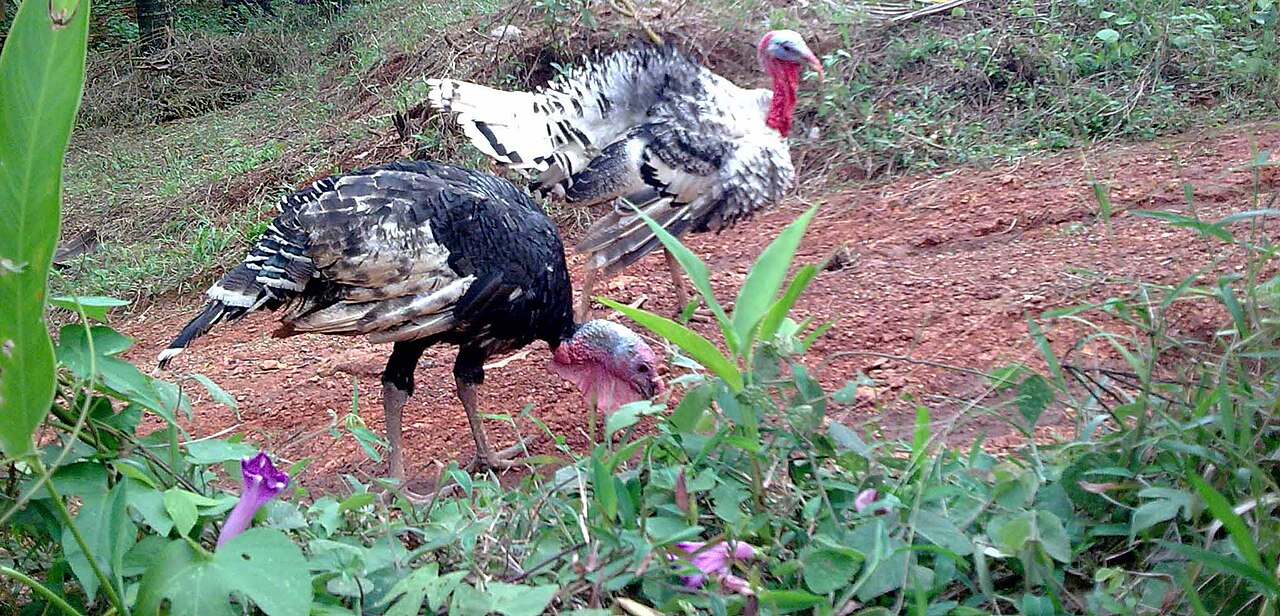
Does a blue head prove turkey coronavirus?
No. Bluecomb is a historical disease name, and skin color alone is not diagnostic.
Can healthy-looking recovered turkeys spread it?
Yes. Prolonged fecal shedding after recovery is an important reason to maintain separation from susceptible groups.
Cite this reference
LivestockDefense. “Turkey coronavirus enteritis: bluecomb, diarrhea and prevention.” Updated 2026-11-02. https://livestockdefense.com/threats/turkey-coronavirus-enteritis-or-bluecomb-disease/
Add the date you accessed the page. This identifies the current reference; keep a permitted saved copy if your work depends on its exact wording. A citation alone does not establish support for a claim.
How to cite a page and its revision ↗Sources & boundaries
Read the evidence in context.
These documents support the statements identified in this reference. Check their scope and dates when deciding whether they answer your question.
- University of Maryland Extension: Raising young birds
Source update: 2022-06-21. Most recent check: 2026-11-02.
Appropriate heat, dry brooding, feed and water access, and avoiding overcrowded feeding points; numerical universal temperatures not prescribed.
- Merck Veterinary Manual: Coronaviral enteritis of turkeys
Source update: 2024-10. Most recent check: 2026-11-02.
Clinical identity, signs, diagnostic interpretation and prevention statements bounded to the sections mapped in the pig/poultry condition article.
- Primary research / Avian Diseases: Viral agents associated with poult enteritis and mortality syndrome: the role of a small round virus and a turkey coronavirus
Source update: 2000. Most recent check: 2026-11-02.
Primary abstract supports multiple enteric viruses and potential combined contributions to PEMS, without a single universal agent.