
This reference uses the specific documents linked in the article and listed below. Check their scope, publication dates and the statements they support.
Animal at a glance
| Topic | Overview |
|---|---|
| Animal group | Specialist reptiles; crocodile and alligator species must be distinguished |
| Production roles | Meat, hides, live stock and other products |
| Life stages | Breeding or sourced stock, growing groups and product lots |
Species and production purpose come first
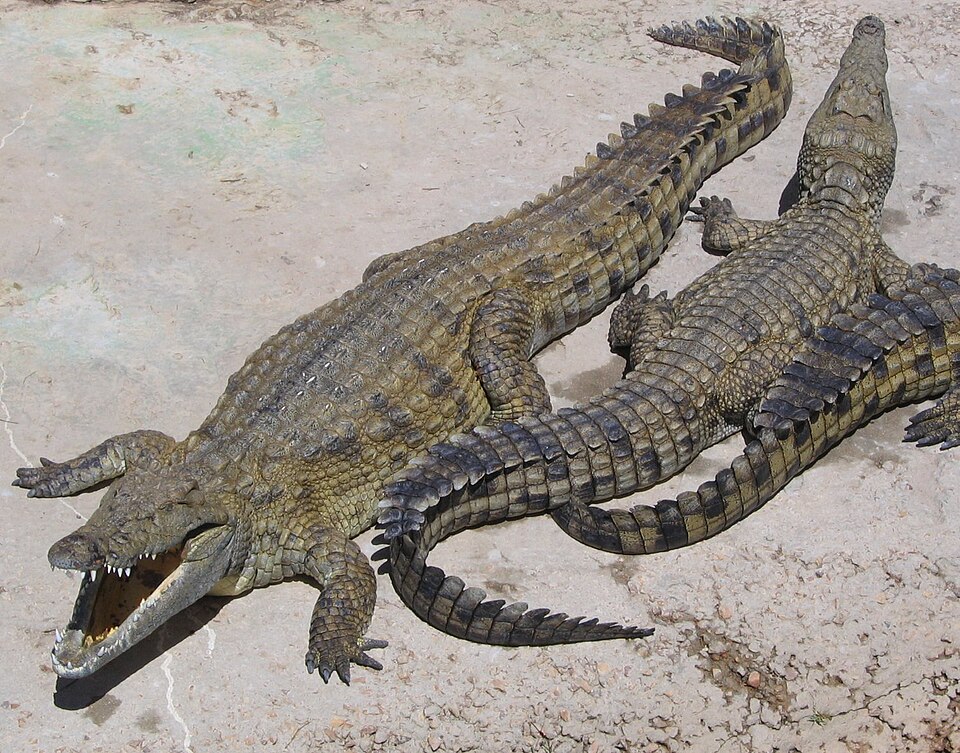
Crocodiles, alligators and other crocodilians have different needs. The laws on sourcing animals can also differ. The Northern Territory government's crocodile biology overview describes its species and explains the saltwater crocodile industry. Use local guidance for the species you plan to raise.
Meat, skins and breeding stock have different market requirements. Each depends on good animal care. Decide which stages the farm will handle before designing pens or ordering animals. Hatching eggs, raising young stock and managing breeding adults require different skills.
Secure housing must also meet welfare needs
An enclosure must prevent escapes and unauthorized entry. It must also suit the animals and give staff a safe way to observe them and maintain the pen. Provide land and water areas that fit the animals’ species and stage of growth.
The Australian crocodile humane-treatment code addresses housing and maintenance separately for hatchlings, growing stock and adults. Cite the edition and the place where the code applies. Check the standards that apply at your farm.
Plan drainage, cleaning and servicing so essential work does not require improvised contact with animals. Safe separation and reliable barriers protect both staff and crocodilians. Competence includes knowing when an operation needs more personnel or different equipment, rather than relying on familiarity with the animals.
Thermal environment and the use of water
The surroundings affect a crocodilian’s body temperature. Plan land and water areas with access to warmer and cooler places. The MSD reptile-housing explanation explains how reptiles regulate their temperature. Ask a specialist what conditions suit the species you keep.
Do not make one warmed patch responsible for the welfare of an entire group. Access can be affected by enclosure layout, body size and dominance. Observe how animals use the habitat and whether some are repeatedly displaced from important areas.
Use heating and electrical systems suitable for wet conditions. Plan how staff will respond safely if the equipment fails. Have a usable backup in place before the animals rely on the equipment.
Nutrition and feeding access
Crocodilians eat animal prey. Plan feed for their species, size, stage of growth and production goal. Check ingredient quality, how feed is stored, its nutrient balance and how it is prepared.
Feeding arrangements should give the intended animals access without creating avoidable injury or competition. Appetite should be considered with temperature, health and social conditions. Increasing the ration may not help an animal that cannot reach the feeding area or is being displaced by larger stock.
Keep feed handling and waste management compatible with the biosecurity plan. Raw materials, spoiled ingredients and contaminated equipment can undermine an otherwise secure site. A veterinarian or appropriately experienced nutrition specialist should evaluate unfamiliar substitutions.
Eggs and hatchlings require dedicated expertise
Incubation and hatchling care are not simplified versions of adult maintenance. They require controlled conditions, close observation and facilities designed for small animals. The production programme should protect eggs and young stock from unnecessary disturbance and unsuitable environmental changes.
Give young animals suitable food and space designed for their size. Gaps or fittings that pose little risk to adults can injure hatchlings or let them escape. Review the space and equipment as the animals grow.
Do not attempt collection, restraint or incubation procedures from a general overview. Those activities require trained personnel and the relevant authorizations. The practical decision for a new enterprise is whether to obtain suitable young stock from an established lawful source or invest in specialist hatchery capacity.
Prevention, injuries and veterinary support
The NT's farming and trade guidance links commercial production with permits, a management programme and biosecurity resources. At farm level, sensible prevention includes controlled entry, suitable equipment hygiene, feed management and a plan for new or unwell stock.
Wounds, abnormal movement, poor feeding or increasing mortality need timely assessment. Social injury, environmental problems and infection may overlap. An animal that survives a damaged enclosure or difficult handling event may still require veterinary attention.
Human safety and animal welfare should be addressed in the same operation plan. Capturing or restraining a crocodilian is not a routine task for an untrained helper. Use appropriately qualified staff and professional supervision rather than improvised techniques.
Does keeping crocodilians in water meet their housing needs?
No. The full environment must provide suitable land, thermal opportunities, secure boundaries and stage-appropriate space and management.
Can an existing livestock farm add crocodilians using ordinary pens?
Only after a specialist assessment of lawful operation, facilities, staff competence, welfare and veterinary support. Their production requirements cannot be inferred from experience with cattle, pigs or ordinary pond fish.
Continue with practical guidance
Cite this reference
LivestockDefense. “Farmed crocodilians: specialist housing, feeding, biosecurity and welfare.” Updated 2026-11-02. https://livestockdefense.com/animals/farmed-crocodilians/
Add the date you accessed the page. This identifies the current reference; keep a permitted saved copy if your work depends on its exact wording. A citation alone does not establish support for a claim.
How to cite a page and its revision ↗Sources & boundaries
Read the evidence in context.
These documents support the statements identified in this reference. Check their scope and dates when deciding whether they answer your question.
- Northern Territory Government: Crocodile farming and trade
Source update: Not provided. Most recent check: 2026-11-02.
Species biology, life stages and the bounded practical husbandry facts cited in the aquatic animal overview or supporting guide; no drug dose, invasive procedure, universal stocking rate or complete clinical protocol.
- Northern Territory Government: Crocodiles in the Northern Territory
Source update: Not provided. Most recent check: 2026-11-02.
Species biology, life stages and the bounded practical husbandry facts cited in the aquatic animal overview or supporting guide; no drug dose, invasive procedure, universal stocking rate or complete clinical protocol.
- Australian Government: Code of practice on the humane treatment of wild and farmed Australian crocodiles
Source update: Not provided. Most recent check: 2026-11-02.
Species biology, life stages and the bounded practical husbandry facts cited in the aquatic animal overview or supporting guide; no drug dose, invasive procedure, universal stocking rate or complete clinical protocol.
- MSD Veterinary Manual: Providing a home for a reptile
Source update: Not provided. Most recent check: 2026-11-02.
Species biology, life stages and the bounded practical husbandry facts cited in the aquatic animal overview or supporting guide; no drug dose, invasive procedure, universal stocking rate or complete clinical protocol.