
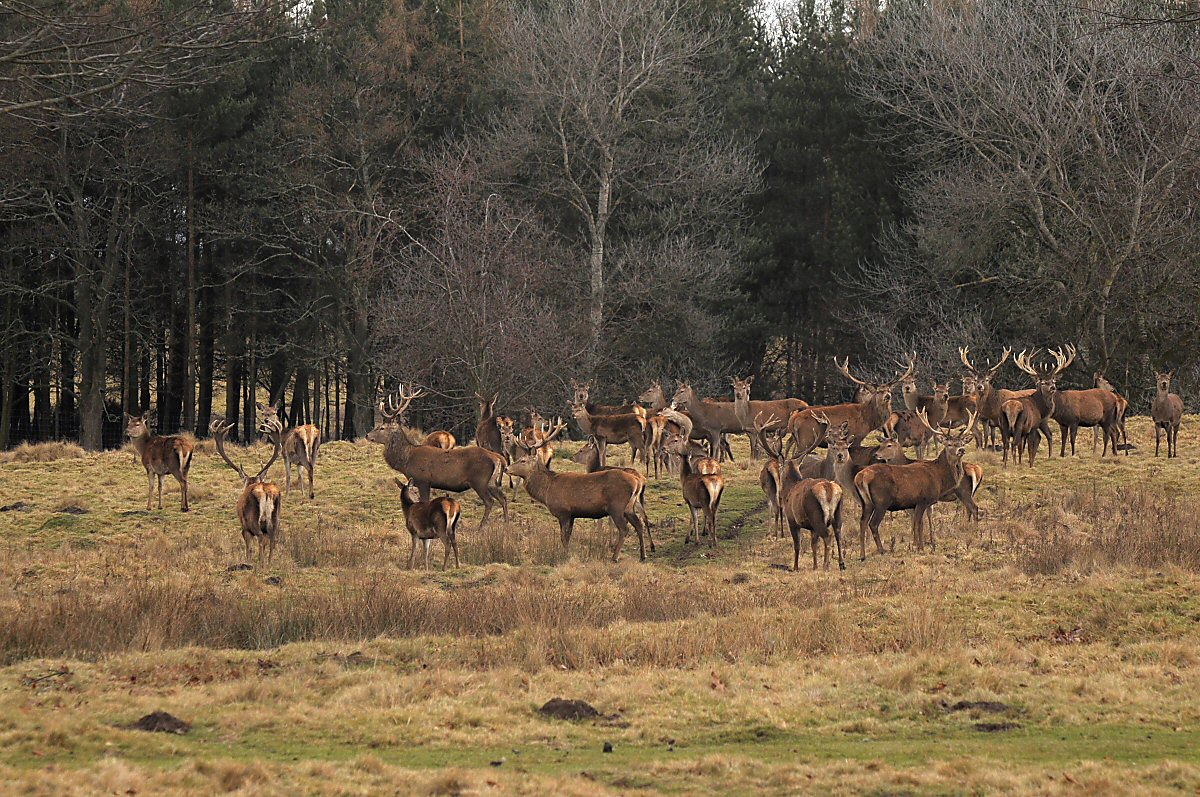
Identify the cervids and the event
State whether the animals are farmed deer or elk and preserve the actual group details. A broad property list should not substitute for the species and animals occupying the pen. Distinguish confirmed individual identities from a provisional group count that cannot yet be reconciled.
Record the discovery time separately from the last known live observation. Snow or access disruption may leave a substantial unobserved interval. Do not assign every death to the morning staff reached the pen or make a precise onset time from the weather alert.
Give the veterinarian the current condition of surviving animals and any continuing access or welfare concern. Follow the professional plan. Obtaining a complete record should not delay the necessary contact.
Rebuild access under actual pen occupancy
Retain feeding deliveries, resource locations, route availability and shelter observations already documented. A delivery reaching the property does not establish that it reached the intended pen or that every animal could use it. Conversely, a route difficulty should not be rewritten as confirmed lack of intake without supporting observations.
Keep the timing of clearing, repairs and staff access. A photograph after a route was cleared cannot establish what the animals could reach earlier. Preserve weather-station location and dates alongside local notes rather than assign one regional snowfall value to all occupied pens.
Age groups, recent arrivals and temporary moves matter to which history each animal represents. If a pen contained different groups during the storm interval, keep the sequence instead of using today’s occupants for the whole event.
A fictional discovery count after a blocked route
Staff reach a remote pen after a route is reopened and discover several deaths. The initial summary says the animals died during the final night because the daily count was previously zero. Earlier visits did not provide a full view, and no one had confirmed every animal alive on the preceding day.
Replace the implied death times with the actual last observations and discovery interval. Keep the route disruption and feed-access questions unresolved where evidence is missing. The record now supports an investigation of both animal and site history without claiming that the discovery schedule is a mortality curve.
Reconcile counts without erasing the original concern
| Item | Boundary to retain |
|---|---|
| Animal identity | Confirmed versus provisional |
| Time | Last observed alive versus discovered |
| Group | Occupancy during the relevant interval |
| Resource access | Delivered, accessible or unknown |
| Cause | Attributed professional finding versus suspicion |
If a later review revises an identity or count, retain the correction and its basis. Link subsequent professional findings to the represented animals rather than copy one cause across all deaths. A herd-level summary should preserve unresolved individual events.
Use farmed-deer references, farmed-elk references and cervid mortality privacy. Keep public reporting separate from private premises and animal details, without withholding relevant information from the responsible professional team.
Separate the urgent call from the later reconstruction
The first professional contact should state the unexpected deaths, species, actual pen and concerns affecting surviving animals. Give the discovery time and explain if earlier observations were incomplete. Someone else can collect weather and delivery records while the responsible keeper remains available to the veterinarian. No chronology should become a prerequisite for seeking help.
For the later reconstruction, use one row per identified animal where possible and link shared pen history separately. That allows an individual last-live observation to remain more precise than the group history. It also prevents the discovery of one animal from being copied as an identical time of death for all animals found during the visit.
In a fictional follow-up, a worker's earlier photograph confirms three identified animals visible in one part of the pen. It does not confirm every animal on the occupancy list alive at that moment. Retaining that limited positive observation is more informative than treating the image as either a complete count or useless evidence.
Questions after discovery
Does the snowfall total establish the cause?
It documents weather context for the represented station and period. The animal investigation needs its own professional findings. Keep local access observations alongside the weather without converting their sequence into a diagnosis.
Should all deaths share one event identifier?
A shared identifier can connect the investigation, while individual records preserve different histories and findings. Do not let the group label erase unresolved identity or cause questions.
What if an earlier count was wrong?
Add a dated correction with the evidence and explain which totals change. Preserve whether the earlier number represented an incomplete observation, a transcription error or an unresolved identity. Those situations matter differently to the timeline. The correction should make the historical record clearer without suggesting that staff had information they obtained only afterward.
Cite this reference
LivestockDefense. “Reconstruct farmed-deer or elk deaths after snow without assigning a cause.” Updated 2026-11-03. https://livestockdefense.com/guides/mortality-in-a-farmed-cervid-pen-after-heavy-snow/
Add the date you accessed the page. This identifies the current reference; keep a permitted saved copy if your work depends on its exact wording. A citation alone does not establish support for a claim.
How to cite a page and its revision ↗