
This reference uses the specific documents linked in the article and listed below. Check their scope, publication dates and the statements they support.
This profile concerns Bombus, not a generic honey-bee disease
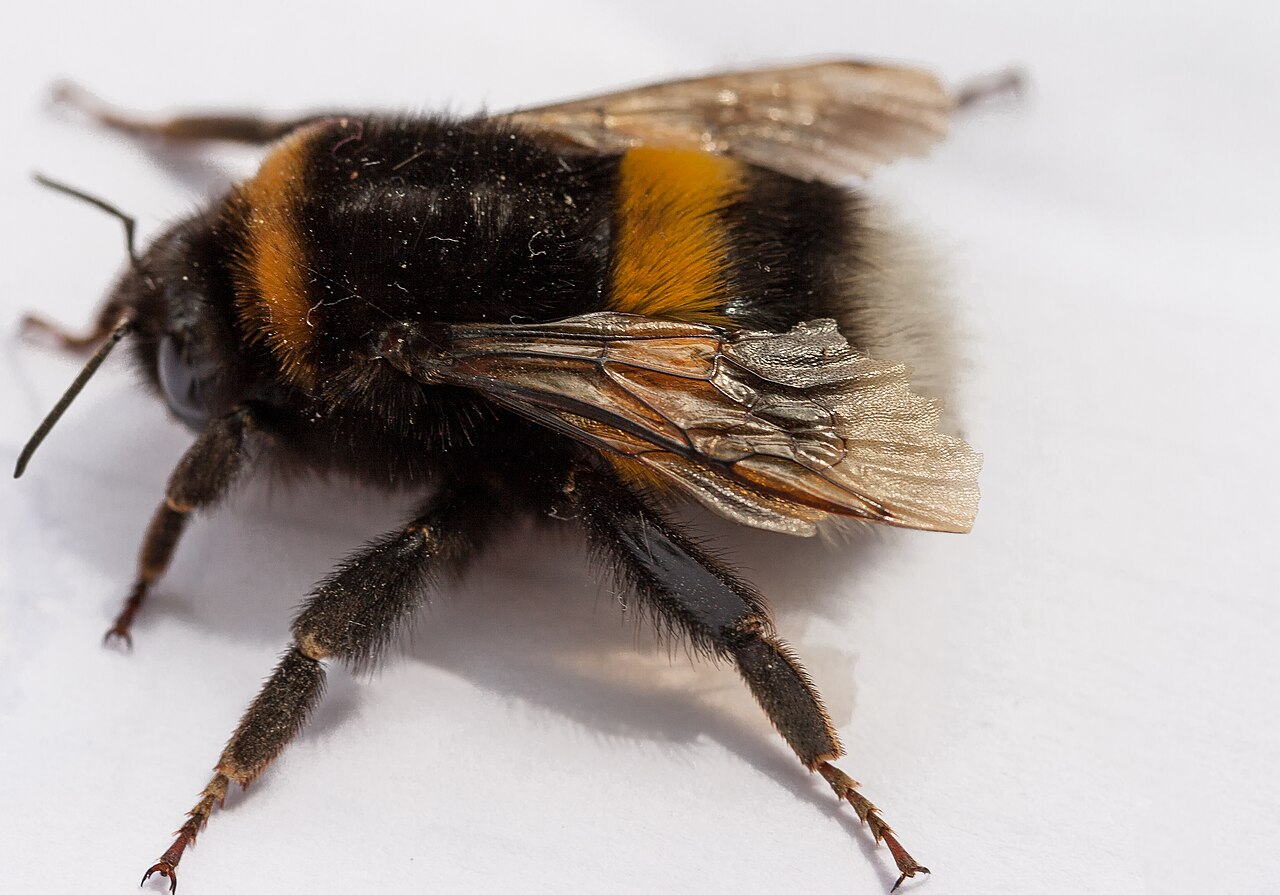
Bumble bees used for pollination belong to Bombus, with colony cycles and care needs that differ from honey bees. Apicystis findings in other bee species do not make those hosts biologically interchangeable. Identify the managed bee and the diagnostic organism before interpreting a research paper or selecting care.
The uploaded title is retained as a topic, but it does not mean that every poorly performing commercial bumble-bee colony has this parasite. Sourcing, forage, temperature, pesticide exposure and other infections all influence the health of managed pollinators.
Source: The effects of single and mixed infections of Apicystis bombi and deformed wing virus in Bombus terrestris; Genetic variability of the neogregarine Apicystis bombi, an etiological agent of an emergent bumblebee disease; Bumblebee sector guide to the National Bee Farm-level Biosecurity Standard.
Research supports both lethal and sublethal effects
A primary experiment investigated worker bumble bees with Apicystis alone or alongside deformed wing virus. Apicystis-exposed workers showed mortality and changes in sugar responsiveness and lipid-related condition in the studied setting. These effects support concern about the parasite's biology beyond the simple fact that its DNA can be detected.
The experimental mortality percentages should not be used as a forecast for a farm's colony. The host, route, parasite preparation and environment belonged to that study. Its value is in demonstrating possible harmful effects and interactions, not supplying a universal timetable for all infected bees.
Mixed detections complicate the health picture
The same study found different effects when the parasite and virus occurred together. More generally, a field sample may contain several organisms. A positive Apicystis result can be relevant without explaining every dead worker or the entire pattern of pollination decline.
An adviser should also assess access to suitable food, heat exposure and the current colony stage. A naturally aging commercial colony can lose activity without a newly introduced infection, while infection may worsen another stress. Management should respond to the demonstrated problems rather than infer one cause from the most unusual test name.
Source: The effects of single and mixed infections of Apicystis bombi and deformed wing virus in Bombus terrestris; Bumblebee sector guide to the National Bee Farm-level Biosecurity Standard; The bumble bee lifestyle.
Related species make historical identifications uncertain
Primary taxonomic work described Apicystis cryptica and showed that some historical detections could not discriminate it from A. bombi. This means that an older broad Apicystis finding should not automatically be restated as a modern species-confirmed result.
Use a suitably qualified laboratory for parasite identification and interpretation. Genetic similarity between detections can support epidemiological questions, but does not alone prove which bee population infected another. Avoid presenting a managed-to-wild spillover direction as established when only shared sequence detections were examined.
Source: Comparison between Apicystis cryptica and Apicystis bombi: gregarine parasites that cause fat body hypertrophism in bees; Genetic variability of the neogregarine Apicystis bombi, an etiological agent of an emergent bumblebee disease.
Protect managed and wild pollinators while seeking advice
The cited research does not establish a routine curative treatment for every Apicystis-positive colony. Avoid transferring livestock antiparasitic drugs or honey-bee treatments into Bombus nests. A supplier, bee-health specialist or local authority can advise on the actual colony and movement implications.
Use responsible sourcing, clean appropriate equipment and suitable nutrition and housing. Do not release suspect commercial bees into the wild as a rescue. Prevent unnecessary exchange of bees and contaminated material between managed units, and follow appropriate local procedures when a commercial colony reaches the end of its use.
Source: Bumblebee sector guide to the National Bee Farm-level Biosecurity Standard; The effects of single and mixed infections of Apicystis bombi and deformed wing virus in Bombus terrestris.
Practical questions
Can a photograph identify Apicystis bombi?
No. Nonspecific weakness or mortality does not establish the parasite; specialist examination is needed.
Are Apicystis bombi and Apicystis cryptica identical?
No. They are related but distinct, and some older detections could not differentiate them.
Related animal-health reading
Cite this reference
LivestockDefense. “Apicystis bombi in bumble bees: parasite effects and careful diagnosis.” Updated 2026-11-02. https://livestockdefense.com/threats/apicystis-bombi-infection-in-bumble-bees/
Add the date you accessed the page. This identifies the current reference; keep a permitted saved copy if your work depends on its exact wording. A citation alone does not establish support for a claim.
How to cite a page and its revision ↗Sources & boundaries
Read the evidence in context.
These documents support the statements identified in this reference. Check their scope and dates when deciding whether they answer your question.
- Canadian Food Inspection Agency: Bumblebee sector guide to the National Bee Farm-level Biosecurity Standard
Source update: Not provided. Most recent check: 2026-11-02.
Managed Bombus sourcing, nutrition, housing, hygiene and disease-prevention principles; historic pesticide recipes, blanket product claims and laboratory procedures are not reproduced.
- Parasitology / primary research: The effects of single and mixed infections of Apicystis bombi and deformed wing virus in Bombus terrestris
Source update: 2016. Most recent check: 2026-11-02.
Indexed primary abstract on worker mortality, sugar responsiveness and lipid-related effects; no experimental exposure or propagation protocol reproduced.
- European Journal of Protistology / primary research: Comparison between Apicystis cryptica and Apicystis bombi: gregarine parasites that cause fat body hypertrophism in bees
Source update: 2020. Most recent check: 2026-11-02.
Indexed primary abstract on cryptic species and historical identification limitations; no assay or pathogen-propagation procedures reproduced.
- PLOS ONE / primary research: Genetic variability of the neogregarine Apicystis bombi, an etiological agent of an emergent bumblebee disease
Source update: 2013. Most recent check: 2026-11-02.
Indexed primary research text on genetic variation and shared detections; historic distribution and direction of spillover are not treated as proven by sequence similarity alone.
- Penn State Extension: The bumble bee lifestyle
Source update: 2024. Most recent check: 2026-11-02.
Condition-specific mechanisms, signs, diagnostic limitations and care principles attributed to this document; no drug dosages or invasive procedures reproduced.