
This reference uses the specific documents linked in the article and listed below. Check their scope, publication dates and the statements they support.
Wet skin changes the opportunity for infection
Dermatophilus congolensis can establish disease where the normal protective skin barrier is compromised. Prolonged wetting, humidity, ectoparasites or local trauma can contribute. The familiar equine name rain rot reflects a common setting, but weather alone does not identify every case.
The Merck multispecies reference describes different manifestations, including lumpy wool and some lower-limb lesions. The common mechanism is skin infection in a suitable local environment, not a universal diagnosis of every wet or crusted animal. Animals can share rainy conditions while having different underlying skin problems.
Source: Dermatophilosis in animals; Dermatophilosis (rain rot) in horses.
The coat may form characteristic matted tufts
Hair can become bound into small raised tufts with crusting at the base, sometimes described as paintbrush lesions. In sheep, crust material can become closely bound to wool. Lower-limb lesions can affect comfort or movement, while muzzle involvement may interfere with feeding.
Itch varies, and pain or general condition may be more important than scratching. Extensive disease can cause loss of condition and serious illness, particularly with complications. Do not regard every case as a cosmetic problem or repeatedly pull off adherent crusts without assessing discomfort and the tissues beneath them.
Source: Dermatophilosis in animals.
Examine for look-alikes and contributing skin damage
Ringworm is fungal, whereas dermatophilosis is bacterial; the similar names should not obscure that difference. Mites, other bacterial disease, contagious ecthyma in sheep and selected immune-mediated conditions can also enter the differential. The relevant alternatives depend on species and lesion distribution.
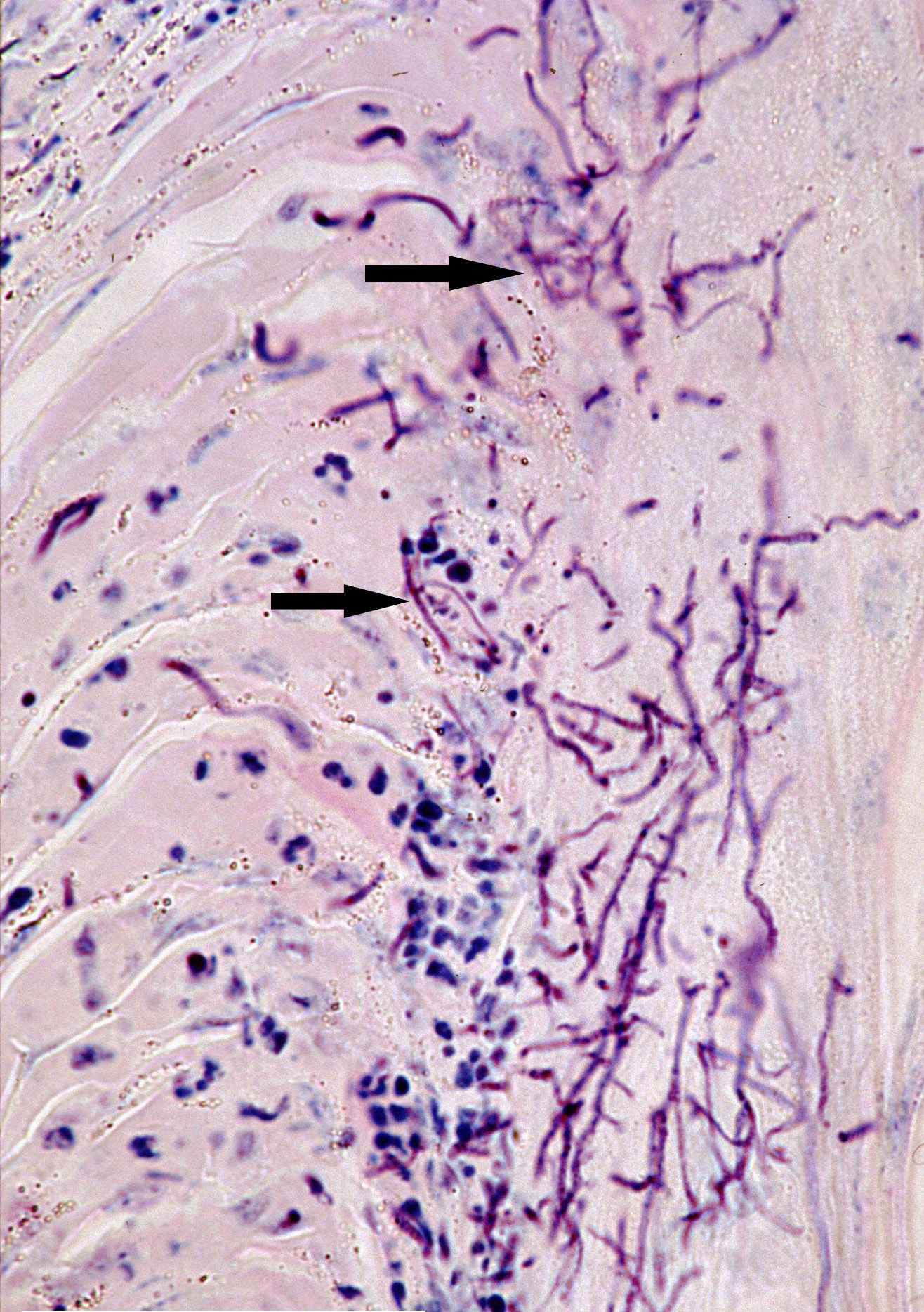
Veterinary examination may use appropriate cytological or other diagnostic assessment of lesions. The clinician can also identify parasites, wounds or husbandry conditions that keep the barrier compromised. A label based only on wet weather can miss a condition that requires different infection-control or welfare measures.
Source: Dermatophilosis in animals; Dermatophytosis in horses.
Treatment needs a drier, less damaging environment
Move toward suitable dry shelter and correct persistent wetting or rubbing. Veterinary management may include topical and, where indicated, systemic antimicrobial treatment. The choice depends on extent, species, patient condition and food-animal requirements rather than a universal skin spray.
Cleaning and coat care should be gentle and suited to the lesions. Repeated bathing without adequate drying can maintain the very environment that favors disease. An animal with painful or extensive lesions may need more than local cosmetic care, including pain relief and assessment for secondary infection or other illness.
Source: Dermatophilosis in animals; Dermatophilosis (rain rot) in horses.
Manage contacts and equipment sensibly
Shared brushes, tack, handling equipment and close contact can contribute to transmission or repeated exposure. Separate or clean items according to the veterinary plan and avoid using the same grooming routine on affected and unaffected animals without suitable hygiene. Shearing or other work through active lesions may need adjustment.
Human cases are uncommon but recognized, so protect hands and practice hygiene when handling lesions. A person who develops a skin problem should seek medical advice and mention animal contact. Do not assume that a low frequency of human disease makes direct handling of infected crusts a risk-free task.
Source: Dermatophilosis in animals.
Look for comfortable skin, feeding and movement during recovery
Drying conditions often support improvement, but chronic or recurrent lesions deserve review. The original diagnosis, treatment application, parasites and ongoing moisture may all need reconsideration. A better-looking patch should not distract from another site that remains painful or prevents normal activity.
Prevention should fit the holding: improve drainage or shelter where feasible, reduce persistent skin wetting and manage ectoparasites appropriately. A blanket can protect against weather in one situation and trap moisture in another. The useful standard is the animal's actual skin environment and comfort, rather than whether it was supplied with a piece of equipment labeled protective.
Source: Dermatophilosis in animals; Dermatophilosis (rain rot) in horses.
Practical questions
Is dermatophilosis the same as ringworm?
No. Dermatophilosis is bacterial; ringworm is fungal. Their appearances can overlap, so examination matters.
Should every crust be pulled off immediately?
No. Adherent lesions can be painful and damaged by rough handling. Obtain a diagnosis and a gentle treatment plan appropriate to the animal.
Related animal-health reading
Cite this reference
LivestockDefense. “Dermatophilosis: wet-weather crusting, lumpy wool and skin care.” Updated 2026-11-02. https://livestockdefense.com/threats/dermatophilosis/
Add the date you accessed the page. This identifies the current reference; keep a permitted saved copy if your work depends on its exact wording. A citation alone does not establish support for a claim.
How to cite a page and its revision ↗Sources & boundaries
Read the evidence in context.
These documents support the statements identified in this reference. Check their scope and dates when deciding whether they answer your question.
- Merck Veterinary Manual: Dermatophilosis (“Rain Rot”) in Horses
Source update: 2026-07. Most recent check: 2026-10-29.
Dermatophilosis is an epidermal infection associated with prolonged wet conditions; compatible skin changes require professional assessment, not a photo diagnosis.
- Merck Veterinary Manual: Dermatophytosis in horses
Source update: 2025-02. Most recent check: 2026-11-02.
Condition-specific mechanisms, signs, diagnostic limitations and care principles attributed to this document; no drug dosages or invasive procedures reproduced.
- Merck Veterinary Manual: Dermatophilosis in animals
Source update: 2026-02. Most recent check: 2026-11-02.
Condition-specific mechanisms, signs, diagnostic limitations and care principles attributed to this document; no drug dosages or invasive procedures reproduced.