
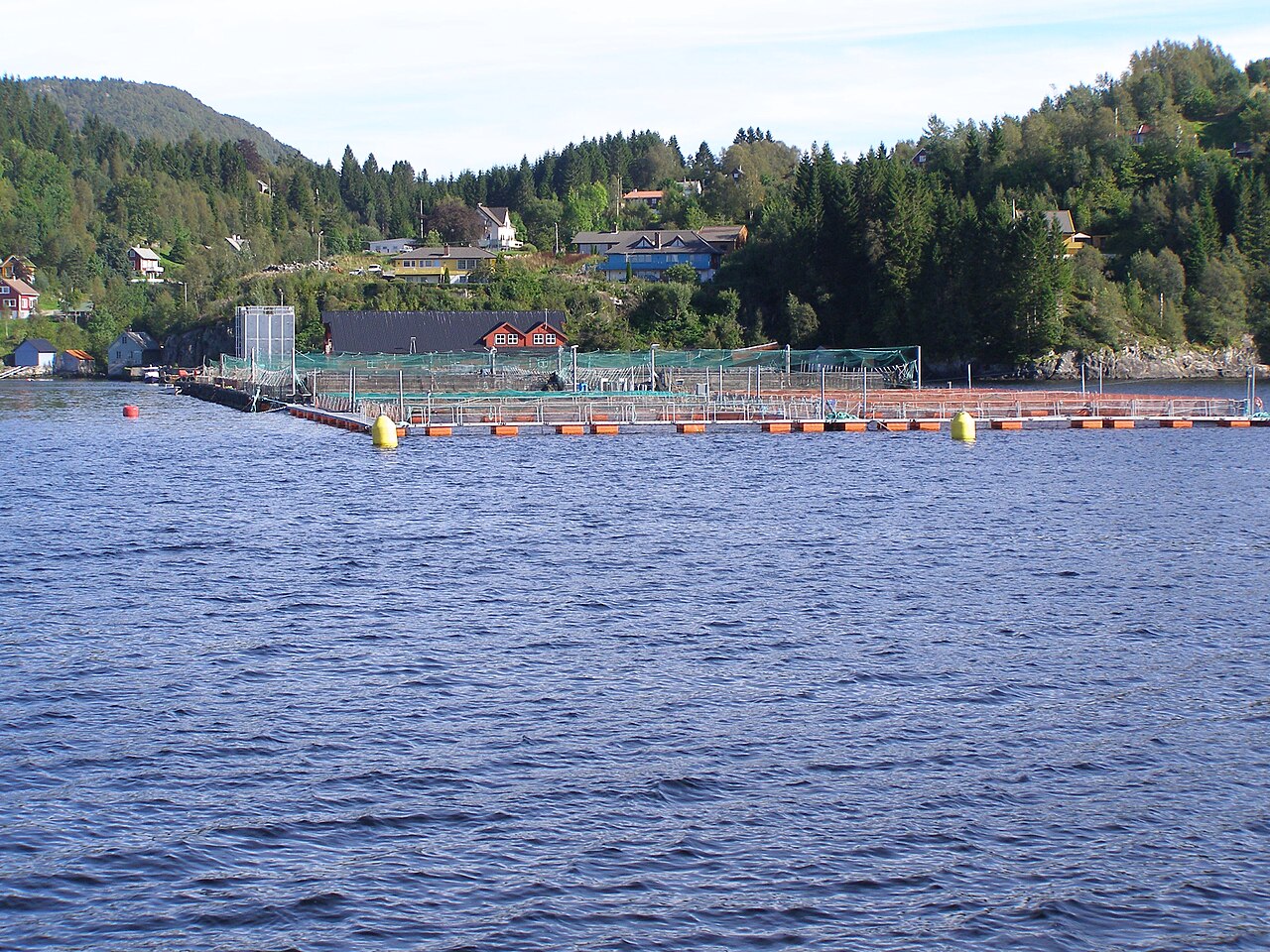
This reference uses the specific documents linked in the article and listed below. Check their scope, publication dates and the statements they support.
Pancreatic injury affects more than the organ name suggests
IPN is caused by infectious pancreatic necrosis virus, or IPNV, an aquabirnavirus. The exocrine pancreas supplies digestive enzymes, so tissue loss can interfere with normal use of food. Liver and other tissues may also be affected. This is a systemic disease concern, not simply a description of any fish with an inflamed pancreas.
The Norwegian Veterinary Institute's overview emphasizes the combination of compatible tissue damage and virus-specific evidence. The distinction is valuable in farms where IPNV may already occur: a positive test should explain the current condition rather than become an automatic answer to every loss.
Young salmonids are especially important clinically, but infection can persist in older animals. A population may therefore present either as an acute mortality problem or as an ongoing source-health problem without conspicuous disease in every fish.
Fry and newly transferred salmon face different pressures
Affected fry may feed poorly, darken, swim in a spiral pattern or lie abnormally on the bottom. A swollen abdomen or trailing pale fecal material can occur. These are useful warning signs but overlap with IHN and bacterial disease in young fish.
Atlantic salmon can also develop IPN after seawater transfer. That production transition changes feeding, environment and handling demands. A group that performed acceptably in freshwater may therefore need investigation when losses rise later; transfer timing is a clue, not proof that IPN is responsible.
The Canadian Food Inspection Agency guide distinguishes young-fish disease from older infected populations. A farm should not decide that older fish are irrelevant simply because severe signs are concentrated in the youngest batch.
A carrier result is different from a disease diagnosis
Survivors may remain infected and shed virus intermittently. This complicates the interpretation of a positive screening result in clinically normal fish. It also means that reduced mortality after an outbreak does not by itself establish clearance.
The diagnostic team evaluates histology for characteristic pancreatic or liver injury and uses appropriate virus-specific methods. The relationship between the lesions and the detected agent is more informative than the presence of a viral target alone. Results must be interpreted for the submitted fish and the wider population.
Several alternatives can mimic the clinical pattern, including bacterial coldwater disease and yersiniosis. Environmental stress can also coexist. If one diagnosis leaves major findings unexplained, continue the investigation rather than treating every subsequent death as expected IPN.
The water system can maintain an unwanted infection
IPNV is relatively persistent outside the fish, and exposed stock or contaminated materials can connect batches. A hatchery's continuing house strain is a different practical problem from a single newly arrived sick fish. The source, water system, equipment and cleaning process should be assessed together.
Separate incoming groups appropriately and avoid transferring suspect stock to a new site. Cleaning must remove material that interferes with disinfection, while the chosen method must suit the facility and fish-health objective. A routine product label should not be treated as validation for every virus, surface and water condition.
Egg-associated transmission is part of the source-health assessment. Broodstock selection and validated hatchery procedures are both relevant. No simple statement that eggs were dipped should be used to guarantee the absence of all infection risk.
Genetic resistance is useful without being absolute protection
Selective breeding has reduced IPN impact in Atlantic salmon production. Primary Atlantic salmon research investigated a major genetic resistance region and implicated the nedd-8 activating enzyme gene. Such findings explain why the genetic stock can materially alter disease outcomes.
Resistance to clinical disease is not the same claim as inability to become infected. It should complement source control and sound production management rather than replace them. The breeding supplier and veterinarian should explain which trait has been selected and what its evidence actually supports.
Do not assume that an Atlantic salmon marker works identically in trout. A rainbow-trout genetic study found a more qualified picture, including a validation analysis without significant differences among the detected-QTL genotypes. Species-specific evidence matters when evaluating a stock's claimed protection.
Vaccination and supportive care have different purposes
There is no treatment that reliably clears an IPNV-infected population. Maintain suitable water quality, oxygen supply and feeding while the fish-health plan addresses the infection. Avoid unnecessary handling of a stressed group, and treat any separate confirmed disease on its own merits.
Vaccination is a preventive tool in some production systems. Availability and effectiveness depend on the species, product and jurisdiction. The Norwegian guidance describes its use while noting that it does not establish freedom from carriage. Canadian availability should be checked through the responsible veterinary program rather than inferred from Norwegian practice.
A vaccinated group can still require diagnostic investigation. Similarly, an apparent response to better husbandry does not tell whether infection persists. Care should be judged through sustained feeding, growth, welfare and the health evidence needed for the next production step.
Plan the next stage around the population's status
For a recovering group, decide whether transfer, mixing or broodstock use is appropriate with the fish-health team. The relevant question is not only whether the fish survive today, but whether their movement introduces infection to another unit or creates a later production problem.
The salmon and trout references explain the different life stages, while aquaculture husbandry connects them with water-system design. Restocking should address the route that maintained or introduced infection, not merely replace the fish that died.
Does a positive IPNV test prove the cause of mortality?
No. Carriers occur. Compatible lesions, clinical context and appropriate diagnostic confirmation are needed.
Does resistant breeding make biosecurity unnecessary?
No. Reduced disease susceptibility is valuable, but it should not be represented as a guarantee of infection-free stock.
Cite this reference
LivestockDefense. “Infectious pancreatic necrosis: IPN in salmonid fry and post-smolts.” Updated 2026-11-02. https://livestockdefense.com/threats/infectious-pancreatic-necrosis-farmed-salmonids/
Add the date you accessed the page. This identifies the current reference; keep a permitted saved copy if your work depends on its exact wording. A citation alone does not establish support for a claim.
How to cite a page and its revision ↗Sources & boundaries
Read the evidence in context.
These documents support the statements identified in this reference. Check their scope and dates when deciding whether they answer your question.
- Norwegian Veterinary Institute: Infectious Pancreatic Necrosis (IPN)
Source update: 2026-06-23. Most recent check: 2026-10-30.
IPN is a viral salmonid disease; virus detection alone does not establish disease because asymptomatic carriage occurs. Age/stage and qualified pathological interpretation matter. No experimental infection, diagnostic collection or disinfection procedure supplied.
- Canadian Food Inspection Agency: Facts about infectious pancreatic necrosis
Source update: Not provided. Most recent check: 2026-11-02.
Condition-specific fish viral clinical findings, diagnostic interpretation and management principles; no drug doses or invasive care instructions reproduced.
- Genomics / Pavelin et al.: The nedd-8 activating enzyme gene underlies genetic resistance to infectious pancreatic necrosis virus in Atlantic salmon
Source update: Not provided. Most recent check: 2026-11-02.
Condition-specific fish viral clinical findings, diagnostic interpretation and management principles; no drug doses or invasive care instructions reproduced.
- Frontiers in Genetics: The genetics of resistance to infectious pancreatic necrosis virus in rainbow trout unveiled through survival and virus load data
Source update: Not provided. Most recent check: 2026-11-02.
Condition-specific fish viral clinical findings, diagnostic interpretation and management principles; no drug doses or invasive care instructions reproduced.