
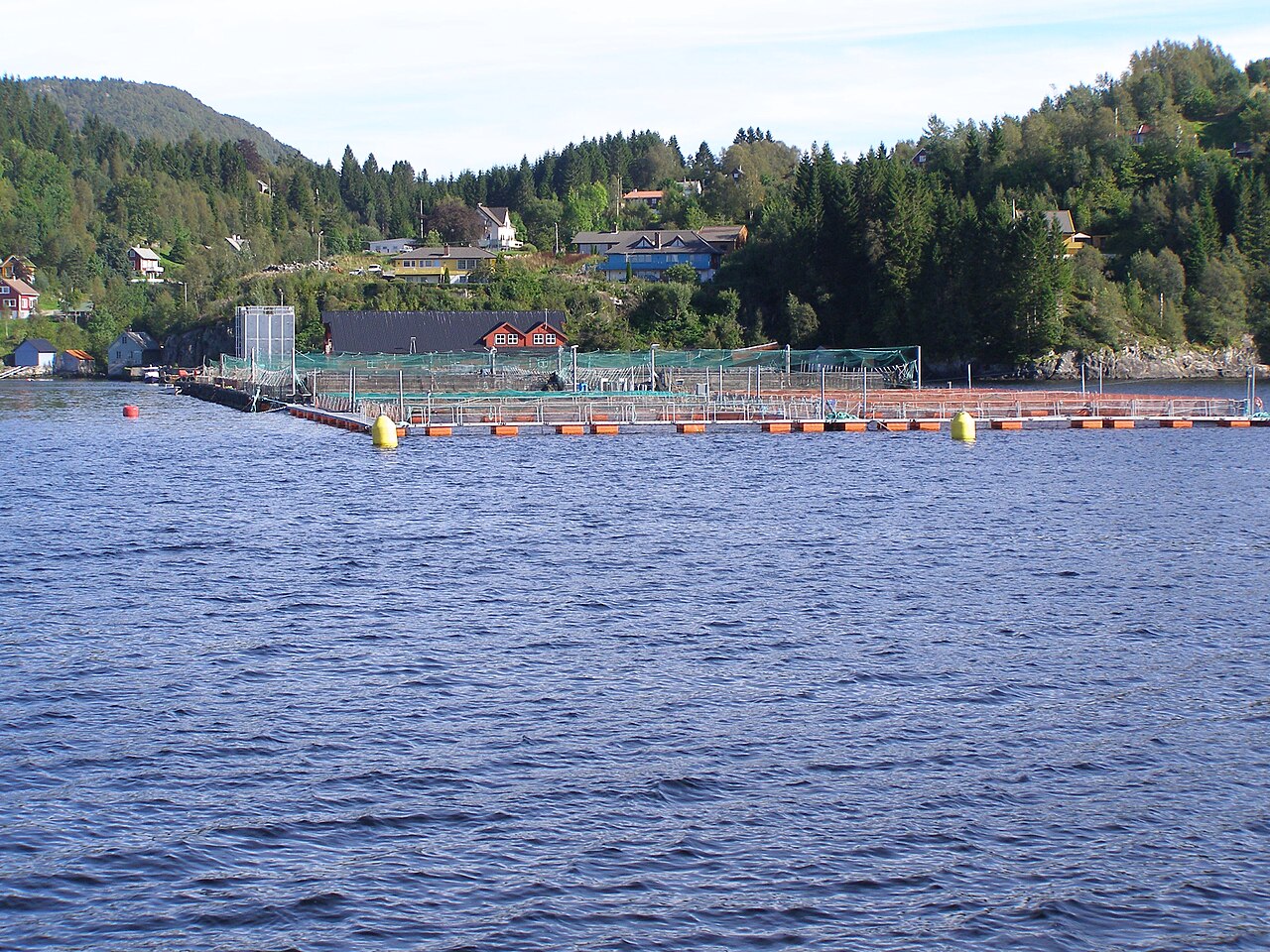
A common Atlantic salmon production pathway
- Eggs and hatchlings
Protected freshwater incubation; young fish initially use a yolk reserve.
- Fry and parr
Freshwater feeding and juvenile growth.
- Smolts
Physiological preparation for a suitable seawater transfer.
- Grow-out
Marine cages or another specifically designed production system.
This reference uses the specific documents linked in the article and listed below. Check their scope, publication dates and the statements they support.
Animal at a glance
| Topic | Overview |
|---|---|
| Animal group | Salmonid fishes; Atlantic salmon is Salmo salar |
| Production roles | Food fish and the stock supporting connected production stages |
| Life stages | Egg, freshwater juvenile, transfer stage and grow-out cohort |
Know which salmon and which stage
Atlantic salmon, Salmo salar, are one important farmed species; the word salmon also covers other fishes and production histories. FAO's Atlantic salmon profile describes a life cycle in which freshwater early stages precede marine feeding and growth. A photograph of sea cages therefore shows one part of a production chain, not the needs of every salmon on the farm.
In practical terms, a hatchery, freshwater juvenile unit and marine site are different husbandry environments. Each needs its own competent staff, water management and health support. A successful result at one stage cannot guarantee that the next stage is ready to receive the animals.
Eggs, young fish and the transition to feeding
Egg incubation depends on a suitable supply of clean, oxygenated water and careful protection from physical disturbance. Newly hatched fish initially carry a yolk reserve. Once that reserve is used, the transition to external feeding becomes a critical period: food has to be available in a form and position the fish can use.
The larger grow-out pellet is irrelevant to a small fry that cannot capture or swallow it. Hatchery success therefore involves much more than keeping a tank filled. Feed distribution, hygiene, flow and the ability to notice poorly performing fish all matter before fish are large enough for routine nursery handling.
Buying eggs or juveniles brings health and suitability questions into the production system. Use reliable suppliers and the assurance arrangements required by the receiving operation. The transfer should fit the farm's fish-health plan rather than occur simply because spare tank volume is available.
Smolt readiness is a biological question
Smoltification is the suite of changes that prepares young salmon for seawater. The correct transfer decision depends on the fish and the production programme, not merely on reaching an arbitrary weight. A freshwater juvenile should not be treated as seawater-ready because it looks silver in one photograph.
Before movement, coordinate the hatchery, transporter, receiving site and aquatic-health team. The receiving environment, unloading process and ability to observe fish after arrival all affect whether the move goes well. Transport is a period of respiratory demand and handling stress, so avoid adding unnecessary delays or repeated crowding.
Where a farm uses an entirely land-based system or a different salmon species, its technical plan may differ from the classic freshwater-to-sea-cage sequence. The NOAA explanation of aquaculture provides broader production context; the species and system still determine the details.
Feeding and the physical environment
Use a salmon diet suited to the life stage and production purpose. Feed distribution should allow fish access without prolonged crowding at a few points. Observe appetite and how feed moves through the enclosure. A ration that leaves the cage uneaten is a cost and an environmental load, not growth that will appear later.
Water movement must bring sufficient oxygen and carry wastes away from the fish. Fouled nets, equipment layout, seasonal conditions and the biomass held at the site influence that exchange. Open water around a cage does not establish that conditions inside every part of it are suitable.
Plan for the period of greatest biological demand, including larger fish, warmer conditions and simultaneous operations. An intervention that crowds fish while reducing flow can change the welfare situation rapidly. Work should be scheduled and supervised with the fish's ability to cope in view.
Gill, skin and welfare concerns
Gill function, skin condition and swimming behavior deserve routine attention. A change in breathing effort, loss of appetite, unusual swimming depth or unexplained mortality can justify urgent specialist assessment. Several environmental and infectious problems can produce similar outward signs.
Avoid treating a photograph as a diagnosis of sea lice, a gill disease or a viral infection. The site needs a fish-health programme that matches local exposures and relevant authority requirements. Vaccination or other preventive measures are professional, species- and programme-specific decisions rather than a universal internet schedule.
Fish welfare also includes careful handling and a planned, competent harvest process. Reducing avoidable crowding, abrasion and repeated disturbance can matter throughout the entire production cycle, not only on the day fish leave the farm.
Common questions
Can freshwater salmon be moved to seawater whenever they are large enough?
No. Size is only part of the decision. Physiological readiness, health, the receiving conditions and the production programme all need to be considered together.
Is every farmed salmon raised in sea cages?
No. Salmon production can use different combinations of land-based and marine facilities. The care plan must describe the actual system, including how oxygen, water treatment and emergency support are provided.
Continue with practical guidance
Field guides for this animal
Browse all Farmed salmon field guides for husbandry advice, health explanations and practical farm routines.
Cite this reference
LivestockDefense. “Farmed salmon: freshwater stages, seawater grow-out, feeding and welfare.” Updated 2026-11-02. https://livestockdefense.com/animals/salmon/
Add the date you accessed the page. This identifies the current reference; keep a permitted saved copy if your work depends on its exact wording. A citation alone does not establish support for a claim.
How to cite a page and its revision ↗Sources & boundaries
Read the evidence in context.
These documents support the statements identified in this reference. Check their scope and dates when deciding whether they answer your question.
- NOAA: What is aquaculture?
Source update: Not provided. Most recent check: 2026-11-02.
Bounded species biology, feeding context and production or husbandry statements attributed to this document in the animal overview sections. No numerical feeding, medication, restraint or breeding protocol reproduced.
- FAO: Atlantic salmon cultured species fact sheet
Source update: Not provided. Most recent check: 2026-11-02.
Bounded species biology, feeding context and production or husbandry statements attributed to this document in the animal overview sections. No numerical feeding, medication, restraint or breeding protocol reproduced.