
This reference uses the specific documents linked in the article and listed below. Check their scope, publication dates and the statements they support.
Animal at a glance
| Topic | Overview |
|---|---|
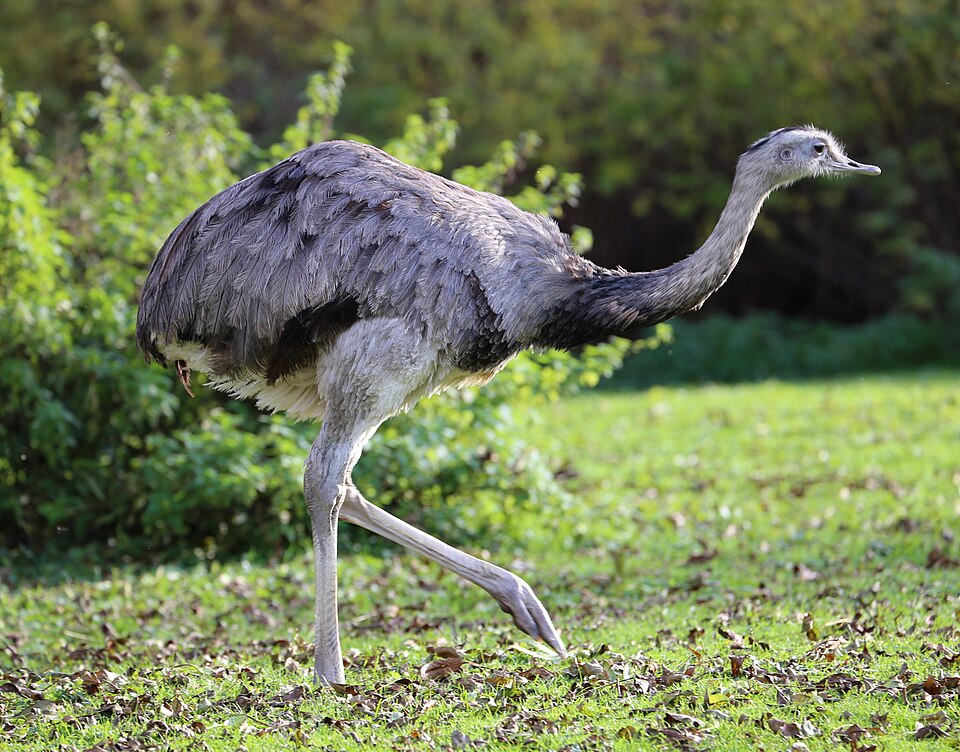
| Animal group | South American ratites, distinct from ostriches |
| Production roles | Specialist food-animal and breeding systems |
| Life stages | Breeding group, egg lot, young bird and growing group |
Identify the bird and the lawful production role
Rhea is not a generic label for any small ostrich. Confirm the species, origin and applicable permissions before purchasing breeding stock. Production practices from another country do not establish that capture, movement, breeding or sale is permitted locally.
Use FAO's ratite production background and the MSD clinical management chapter to orient the enterprise. Then obtain rhea-specific technical advice for the stock and location. A brief overview is not an incubation or veterinary treatment manual.
Breeding behavior shapes the enclosure
In rheas, males play an important role in incubation and caring for young. Breeding groups therefore need a plan that considers the male, nesting space and interactions among adults. Do not arrange the pen solely by dividing its area by the number of birds.
Observe whether one bird is persistently chased, blocked from a feeder or forced to remain against a fence. Provide enough separation and safe retreat, with a practical way to divide incompatible birds. Avoid repeatedly entering a nesting area or attempting to move an aggressive adult without suitable facilities and trained assistance.
Choose sound stock and assess reproductive difficulties with a competent adviser. Unhatched eggs can involve fertility, incubation conditions, handling or disease; the visible shell alone does not identify the cause. Increasing the number of breeders without understanding losses may simply expand the same problem.
Feed according to stage and condition
Use a balanced ration suitable for rheas, with any forage component planned for the actual system. A chicken layer feed or an ostrich product should not be accepted without checking suitability. The nutritional requirements of growing chicks, breeders and nonbreeding adults are not identical.
Keep food dry and uncontaminated, and ensure access for every bird. If the smallest animals are thin, inspect competition and feeding behavior before increasing the ration for the entire group. A larger dominant bird may consume the extra feed while the disadvantaged one remains excluded.
Offer clean water in equipment that fits the birds. Keep the ground around drinkers from becoming persistently wet or slippery. Review feed changes gradually, with particular care during weaning from a chick-rearing program or transfer to a new pen.
Chicks need secure footing and a planned transition
Provide warmth appropriate to the chicks and weather, dry resting ground and opportunities for safe movement. Assess their walking and feeding directly. Chicks piling, standing unevenly, sitting persistently or falling behind deserve prompt attention.
Prepare the next enclosure before it is needed. A move from sheltered brooding to wet outdoor ground should not be made merely because the first pen is crowded. Remove foreign objects and other ingestion hazards, and prevent access to drains or gaps that can trap small legs. The ratite chick guide examines diet, exercise and early leg-health concerns together.
Paddocks, handling and health
Maintain a secure, visible perimeter with suitable gates and room to turn. Avoid layouts that drive startled birds into a narrow dead end. Shade and shelter should remain usable by the least dominant bird, not only the individual nearest the entrance.
Arrange veterinary care and safe transport before problems arise. Rhea handling is a specialist task; online descriptions of ratite restraint should not be attempted by an untrained keeper. Substantial injury, difficulty breathing, suspected impaction, severe lameness or inability to stand require timely professional assistance.
Keep new stock apart until assessed, and manage shared equipment between chicks and adults. Prevention should be adapted to regional conditions rather than a fixed medication calendar copied from ostriches or domestic poultry.
Can rheas be managed as smaller emus?
No. Shared flightlessness does not establish identical nutrition, breeding or incubation requirements. Identify the actual species and use a suitable care plan.
Is a wide paddock enough to prevent injuries?
Area matters, but so do fencing, ground condition, group compatibility, gateways and how birds are moved.
Continue reading
Further husbandry sources
Field guides for this animal
Browse all Rheas field guides for husbandry advice, health explanations and practical farm routines.
Cite this reference
LivestockDefense. “Farmed rheas: feeding, breeding groups, chicks and welfare.” Updated 2026-11-02. https://livestockdefense.com/animals/rheas/
Add the date you accessed the page. This identifies the current reference; keep a permitted saved copy if your work depends on its exact wording. A citation alone does not establish support for a claim.
How to cite a page and its revision ↗Sources & boundaries
Read the evidence in context.
These documents support the statements identified in this reference. Check their scope and dates when deciding whether they answer your question.
- FAO: Ostrich production systems
Source update: Not provided. Most recent check: 2026-11-02.
Bounded production identity and species context cited in the global livestock hubs. Practical examples are editorial suggestions. Historical sources do not establish current local market permissions or clinical protocols.
- MSD Veterinary Manual: Management of ratites
Source update: Not provided. Most recent check: 2026-11-02.
Bounded species biology, feeding context and production or husbandry statements attributed to this document in the animal overview sections. No numerical feeding, medication, restraint or breeding protocol reproduced.
- Merck Veterinary Manual: Chick management (ratites)
Source update: 2024-09. Most recent check: 2026-11-02.
Bounded husbandry statements mapped in the buffalo-comfort or ratite-chick guide; planning explanations are editorial synthesis. No dosing, invasive procedures or universal construction dimensions reproduced.
- Merck Veterinary Manual: Nutrition in ostriches, emus, and other ratites
Source update: 2026-07. Most recent check: 2026-11-02.
Bounded husbandry statements mapped in the buffalo-comfort or ratite-chick guide; planning explanations are editorial synthesis. No dosing, invasive procedures or universal construction dimensions reproduced.