Field Tools & Supplies

Farm biosecurity & clean entry

Make the entry routine easy to follow: a clear boundary, dedicated footwear, a place for clean supplies and a record of visitors. Equipment supports the plan; it does not replace it.

Updated
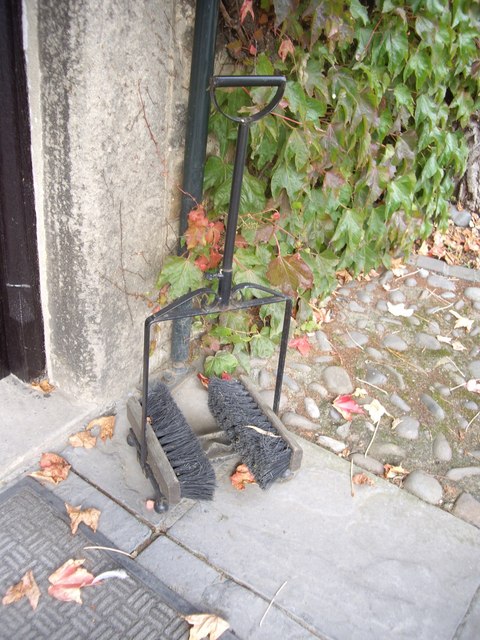
A boot brush with brushes for the sole and sides, beside an entrance.

A mechanical boot brush at a hotel entrance illustrates removal of visible dirt. This is an equipment example, not a farm entry installation or a claim that brushing disinfects footwear. Credit and license details are linked below.

A country boot brush - geograph.org.uk - 1515210.jpg · Stanley Howe · CC BY-SA 2.0 · Full credit & reuse terms

Choose equipment for the routine.

Plan the entry before buying supplies

Walk the actual route workers and visitors take. Decide where outdoor footwear stays, where dedicated clothing is kept and who replenishes handwashing supplies. Leave enough room to change safely without stepping across the boundary twice. Equipment that is awkward to reach is less likely to become part of a consistent routine.

Cleaning tools have distinct jobs

A boot brush removes visible material; it does not establish disinfection. Keep cleaning equipment assigned to the appropriate area and store clean supplies apart from used ones. Follow registered product labels and the farm’s written plan for any cleaning or disinfection products. These guides provide no chemical recipes.

Select protection for the work

Choose clothing, gloves and eye protection for the actual task and manufacturer specifications. A disposable cover is not a substitute for a secure walking surface, and a generic glove is not suitable for every chemical or hazard. Use occupational guidance when assessing worker protection.

Put the routine within reach

Lay out the supplies in the order people will use them. A visitor should be able to read the entry instructions before handling equipment, set down belongings without mixing them with clean clothing, and change footwear without balancing on one leg in a doorway. Include workers carrying tools or wearing bulky winter clothes when checking the available space. A convenient layout is part of making the written routine workable.

Choose surfaces you can look after

A brush station needs a stable base and enough clearance to use it without catching a heel. Check how collected dirt will be removed and where wet equipment can drain. A mat that slides or traps standing water creates another maintenance problem. For storage, prefer a layout that lets staff see whether footwear is ready for use rather than piling clean and used items together.

Check the station before replacing it

Look for loose fixings, worn bristles, sharp edges, cracked trays and missing supplies. Record the particular fault and the existing model before buying a replacement. If the brush is sound but the base moves, buying a larger brush may leave the actual problem unresolved. Follow the maker’s repair and care instructions and replace equipment that can no longer be used safely.

Fictional planning example

A brush is present, but the entry still gets bypassed

Fictional planning example: a small barn has a brush beside the door, while dedicated boots are stored across the room. A worker carrying a feed bucket regularly walks past both. The first improvement is to reorganize the entry so the worker can put down the bucket, change footwear and store used items in the intended order. Measure that space before deciding whether another piece of equipment is needed.

Match the equipment to the job

Questions to settle before comparing listings
Your taskWhat to compareChecks to record
Visible mud on footwearA securely mounted mechanical brushBristle access, footing and removal of collected debris
Dedicated barn footwearWashable boots with separate storageFit, traction, drying space and separation from outdoor shoes
Occasional visitorsReadable instructions and an entry logA person who explains the procedure and checks supplies

Equipment categories to compare

Each link opens an Amazon search, with multiple possible listings. Check the actual manufacturer and seller details before choosing.

Equipment category · search guide

Boot scrubber floor mount

Remove visible mud from footwear at a designated entry point.

Before buying: Check stable mounting, bristle replacement and drainage. Brushing alone does not disinfect boots.

Browse boot scrubber floor mount on Amazon

Equipment category · search guide

Dedicated barn rubber boots

Keep a separate pair of washable chore boots for the barn.

Before buying: Check fit, slip resistance and material care. Store clean boots away from outdoor footwear.

Browse dedicated barn rubber boots on Amazon

Equipment category · search guide

Disposable shoe covers bulk

Provide a footwear cover where the entry plan calls for one.

Before buying: Check sizing, tear resistance and traction; replace damaged covers. Covers do not make dirty boots clean.

Browse disposable shoe covers bulk on Amazon

Equipment category · search guide

Visitor sign in clipboard

Keep visitor names, dates and visit purpose in one place.

Before buying: Check that paper stays dry and records can be secured. A log does not control access by itself.

Browse visitor sign in clipboard on Amazon

Equipment category · search guide

Farm biosecurity sign

Make farm access rules visible before someone enters.

Before buying: Check readability, language and weather resistance. Signs need an understood visitor procedure.

Browse farm biosecurity sign on Amazon

Equipment category · search guide

Handwashing portable station

Make handwashing accessible at the work area.

Before buying: Plan clean water, soap, towels, drainage and refilling; check capacity and frost exposure.

Browse handwashing portable station on Amazon

Equipment category · search guide

Heavy duty barn scrub brush

Scrub suitable barn surfaces and equipment during routine cleaning.

Before buying: Match bristles and handle to the surface; keep brushes assigned by area and allow them to dry.

Browse heavy duty barn scrub brush on Amazon

Equipment category · search guide

Nitrile disposable gloves industrial

Provide disposable gloves for suitable routine work.

Before buying: Check size and task-specific barrier ratings. Industrial nitrile is not universal chemical or biological protection.

Browse nitrile disposable gloves industrial on Amazon

Equipment category · search guide

Plastic storage cubby for clean boots

Separate and organize dedicated footwear.

Before buying: Check washable surfaces and space for drying. A rack does not clean the footwear stored on it.

Browse plastic storage cubby for clean boots on Amazon

Before you order

  • Map the clean and used-equipment areas.
  • Check boot fit, sole traction and washability.
  • Assign a person to refill soap, towels and visitor supplies.
  • Review the routine with staff and your veterinarian.

Keep the instructions and model number with the maintenance record. Review what worked after installation before buying additional units.

Common questions

Does a boot brush replace dedicated footwear?

No. A brush removes visible material; it does not establish that a boot is clean enough for a particular area or has been disinfected. Follow the farm’s entry plan.

Should every visitor use disposable covers?

Choose the entry arrangement for the site and task with appropriate professional guidance. Where covers are used, fit, grip, tears and the walking surface still need attention.

What is the most useful first purchase?

First identify the missing part of the routine. The answer may be replacement soap, clearer instructions or a suitable place to store existing boots rather than a new entry station.

Sources & further reading

Checked November 3, 2026. These sources support the stated background topics. Buying comparisons, questions and fictional examples are original editorial guidance.

  1. USDA APHIS — Biosecurity Basics

    General poultry access, wildlife protection and clean-routine principles; no endorsement of the equipment linked here.

Source publishers and image creators do not endorse this site or the products linked here. For equipment care, use current registered product labels, manufacturer instructions and the farm’s professional guidance.