
Choose equipment for the routine.
Define the record before selecting the tool
A notebook is useful when staff can make an entry at the point of work and another person can read it later. Agree on the animal identifier, date format and corrections process. Keep observations distinct from diagnoses and preserve earlier entries when a record changes.
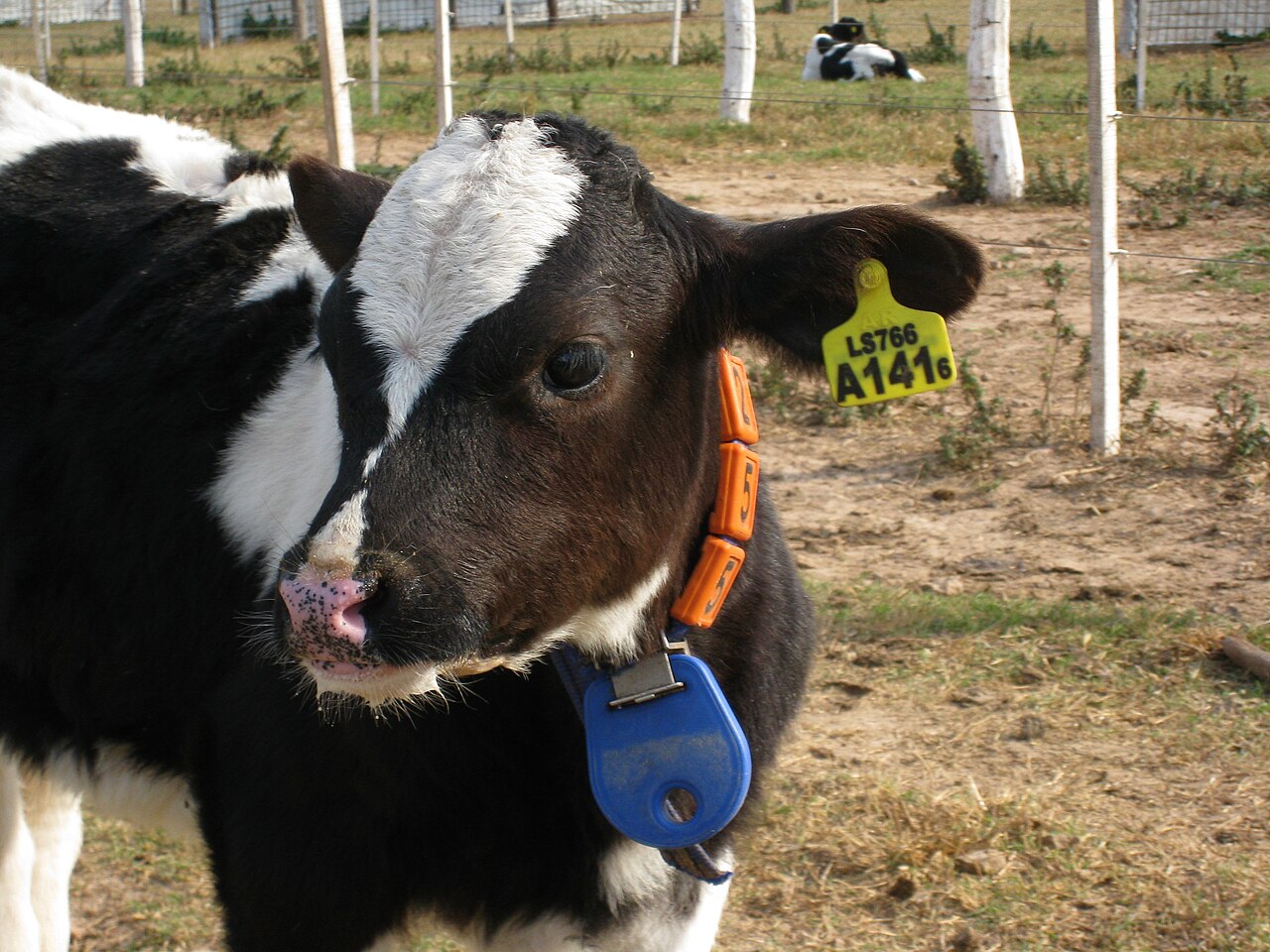
Internal labels and official identification differ
Blank or numbered tags may be useful for management, but they are not necessarily approved official identification. Traceability requirements vary by species, jurisdiction and movement. Confirm current requirements with the relevant authority and obtain official devices through an approved channel when required.
Check the entire reader workflow
A reader must support the device technology and data format in use. Check tag protocol, software compatibility, export format and how a scanned value joins the farm record. A matching radio-frequency standard alone does not establish regulatory acceptance or compatibility with a particular application.
Protect the record as well as the paper
Weather-resistant materials can improve legibility but do not create a backup. Keep copies of important records in a secure location, limit access where appropriate and label the version when paper and electronic records differ. Do not place private animal-owner records in this website’s public tools.
Keep different identifiers in separate fields
An animal can have an internal management number, an official identifier and an electronic value. Record what each field represents rather than replacing one with whichever number is easiest to read. A photograph of a tag may help with an internal check, but it does not replace required records or establish that a tag is official. Confirm the applicable identification requirements before ordering devices.
Try the record format before buying a reader
Write a small fictional example on paper or in the intended software: animal ID, date, observation, person making the entry and follow-up. Then review whether a reader export would fill those fields or merely provide a list of scans. Check that the full identifier survives import and export, including leading zeros, and keep identifiers as text when software might treat them as numbers.
Make corrections traceable
Keep the original entry legible and record the correction, date and reason through the farm’s agreed process. A whiteboard is useful for current tasks but does not preserve what was erased. Transfer information that needs a lasting record before clearing it, and make clear which copy is current when paper and software are both used.
Plan for a lost device or damaged notebook
Know where a secure backup is kept and who can retrieve it. Keep equipment instructions, export settings and access responsibilities with the recordkeeping plan rather than only on one person’s phone. Do not use public website forms or shared screenshots to store private animal-owner details. The device is replaceable; a clear, recoverable record is the more important outcome.
Fictional planning example
A scan exports correctly, but joins to the wrong column
Fictional planning example: a farm’s reader exports an electronic identifier while the spreadsheet’s first column contains an internal number. Before importing the file, the keeper creates clearly named fields and checks a small sample against the original records. The solution is to preserve the relationship between identifiers, rather than silently overwrite the internal numbers with the scan list.