
Choose equipment for the routine.
Sheep and goats: access and ration separation
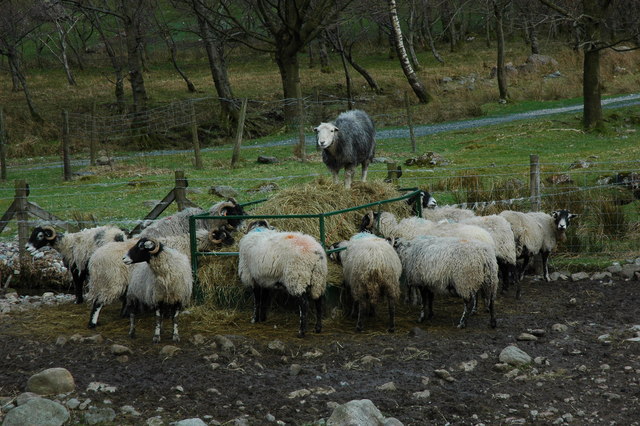
Check feeder openings and mounting against the actual animals, including horned stock and young animals. Keep species-specific mineral products and feeding plans distinct: a feeder listing does not establish that its contents are appropriate for every species. Choose structures you can inspect without reaching through crowded animals.
Swine: fittings and durable installation
For nipple drinkers, confirm thread size, supply pressure and flow specifications with the manufacturer. Mounting needs to suit the age group and withstand animal contact. Keep leaks, accessibility and wear on the inspection list; buying a replacement fitting does not confirm that the rest of the water system works.
Equines: secure buckets and safe feeding hardware
Check bucket brackets for sharp edges and secure attachment. Hay nets and bags need species-appropriate openings and placement that avoids entanglement; seek experienced husbandry advice for the animals and housing involved. Inspect straps and hardware as they wear.
Shared supplies still need assignments
Label equipment by species or area when the farm plan calls for separation. Store it where staff can find and return it. A single well-maintained item assigned to a task can be more useful than several incompatible replacements.
Compare access rather than the livestock label
The word livestock on a listing does not establish that an opening, rail or mounting suits every species. Note the smallest and largest animals expected to use it, including horned animals and young stock. Consider whether an animal can climb into the feeder or reach a projection from the neighboring pen. Review the actual dimensions and seek experienced husbandry advice where access is uncertain.
Keep species-specific contents identifiable
Penn State’s sheep and goat guidance distinguishes mineral mixes formulated for the relevant species. A covered feeder is only a container: it cannot make the contents appropriate for another animal. Label storage and feeding equipment so a replacement keeper can tell what belongs where. Confirm the feeding plan with an appropriate adviser rather than choosing contents from the name of the hardware.
Check components when groups change
A water fitting or bracket suited to one group may need review when animals grow, move to different accommodation or share access differently. Record the model, mounting and manufacturer specifications with the equipment list. Check for loose hardware, wear, sharp edges and blocked access, and arrange maintenance before a damaged item becomes the only available drinking or feeding point.
Plan how staff will approach the equipment
Allow for carrying buckets, opening gates and removing equipment while animals are present. A design that appears compact can force a person to reach into a crowded space or lift an awkward load. Confirm suitable access with an experienced handler and follow manufacturer installation guidance. Do not rely on the equipment catalog to teach restraint, handling or electrical-fence work.
Fictional planning example
A shared feeder creates an unclear assignment
Fictional planning example: a farm keeps sheep and goats in separate groups but uses unmarked storage scoops. The keeper first labels the feed storage and equipment assignments and reviews the feeding plan. Buying another identical feeder would not resolve uncertainty about its contents. The useful purchase may be a durable label and a dedicated scoop that fits the existing containers.